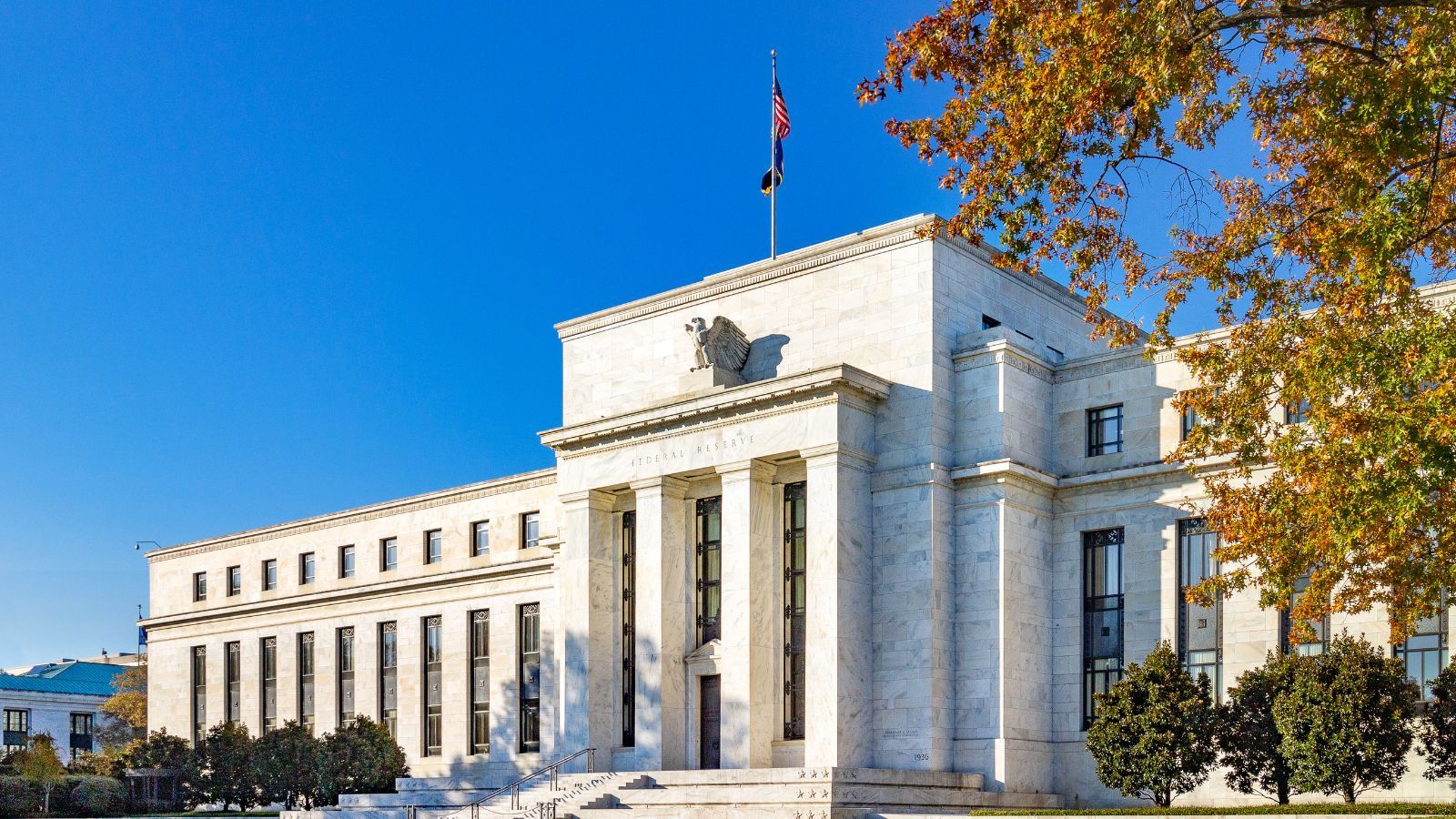
Big Law firms rarely die dramatic, cinematic deaths. They don't typically close their doors overnight with a locked gate and a bankruptcy sign. Instead, they leak talent, watch partner profits stagnate while rival firms hand out massive nine-figure guarantees, and quietly scramble for a corporate partner to save them from irrelevance. Right now, Weil, Gotshal & Manges is living through that slow-motion nightmare.
The storied institution that once steered the massive Lehman Brothers and Enron bankruptcies finds itself fighting for its own survival. With dozens of high-profile partner departures, collapsed merger talks with Willkie Farr & Gallagher, and mounting questions from clients, the legendary firm is facing a brutal reckoning in late 2026. In related news, read about: How One Man Used Chatgpt To Fake A £154 Million Corporate Takeover.
How did a titan of corporate restructuring and private equity end up on the ropes? The answer reveals how modern law firm economics punish even the most prestigious legacy brands when lateral poaching and profit-per-partner metrics rule the market.
The Partner Exodus That Triggered the Alarm
You can't talk about Weil's current crisis without looking at the raw numbers. Over the course of 2026, the firm has seen the reported exit of at least 39 partners. This isn't just a routine shuffling of chairs. The departures include critical practice leaders, London office heads, and powerhouse corporate dealmakers like former corporate chair Michael Aiello. The Economist has provided coverage on this critical issue in extensive detail.
When top rainmakers leave, they take their institutional clients, their lucrative billing relationships, and their junior associates with them. Rival shops like Kirkland & Ellis, Paul Hastings, Cravath, and Simpson Thacher have aggressively targeted elite dealmakers with compensation packages that traditional lockstep or modified-eat-what-you-kill models struggle to match.
For years, Weil relied on its elite reputation and top-tier restructuring practice to keep talent loyal. But prestige doesn't pay partner draws when rival firms are dangling multi-million-dollar guarantees to poach your best litigators and private equity advisors. Once the exit momentum starts, it creates a psychological tipping point inside the partnership. Partners start wondering if they should jump before the ship takes on too much water, accelerating the exact collapse they fear.
When Mega-Mergers Fall Apart
Faced with a shrinking footprint and mounting talent drains, Weil's leadership didn't sit still. In October 2026, reports surfaced that the firm was actively pursuing a merger. Whispers of talks with Willkie Farr & Gallagher circulated through legal circles, raising hopes that a massive combination could shore up Weil's balance sheet and expand its geographic reach.
Those talks collapsed by October 23.
Mergers in Big Law are notoriously difficult to pull off. Merging two massive partnerships means aligning conflicting compensation grids, resolving client conflicts across overlapping industries, and convincing suspicious partners that a combined entity will actually increase their individual take-home pay. When the Willkie talks fell through, it signaled to the market that Weil's options were rapidly narrowing.
Talk of potential liquidations or radical restructuring options quickly followed, stunning an industry that still views Weil through the lens of its historical dominance in corporate rescue work. It turns out that even the lawyers who write the book on Chapter 11 bankruptcies have a terrible time navigating their own structural decline.
The Brutal Realities of Modern Big Law Economics
The crisis at Weil highlights a larger, uncomfortable truth about the legal industry in 2026. The era of the stable, independent, mid-sized elite firm is dying. Clients want global reach, lower blended billing rates for routine work, and absolute dominance in high-stakes bet-the-company litigation or mega-buyouts.
If you aren't scaling aggressively or holding onto your premier rainmakers, you get squeezed from both ends. Boutique shops steal your niche specialists, while mega-firms with four thousand lawyers across the globe swallow your general corporate mandates. Weil pulled in over two billion dollars in gross revenue recently, proving that the top line looks impressive on paper. But gross revenue means very little if your profit-per-partner slips relative to your direct competitors and your star players walk out the door.
Managing partners across the AmLaw 100 are watching this unfolding drama very closely. If a firm that survived the 2008 financial crisis and guided the largest corporate collapses in history can find itself scrambling for survival, nobody is immune to the new rules of the legal marketplace.
Weil's leadership faces an uphill battle to stabilize morale, retain remaining talent, and prove to skeptical corporate clients that the firm can still deliver at the highest level. Whether they engineer a last-minute rescue deal or watch the partnership fracture further depends entirely on how quickly they can stop the bleeding. The prestige is already there, but in modern Big Law, historical goodwill only buys you so much time.