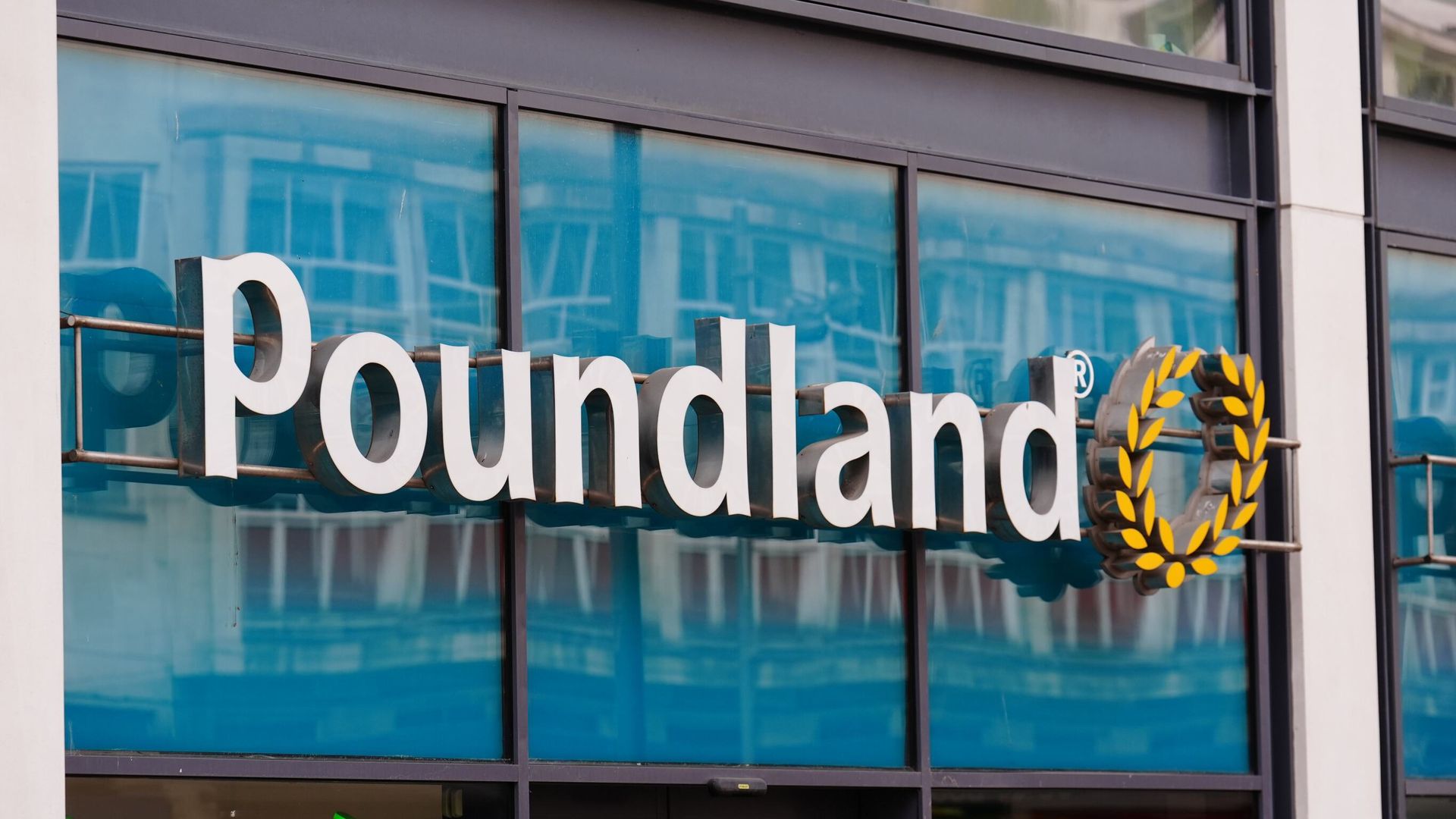
High-street retail never stands still, and few names feel the pressure quite like Poundland right now. The owners of the discount giant have just parachuted a trio of restructuring experts onto its board. This urgent boardroom shake-up lands as crunch sale talks reach a critical juncture, with industry watchers warning that administration could loom within days if an agreement doesn't materialize.
If you have watched the shifting dynamics of British high streets over the last few years, this drama won't shock you completely. Running a massive bricks-and-mortar retail footprint with around 600 stores and roughly 12,000 employees is an uphill battle against rising operational costs, shifting consumer habits, and fierce competition from rivals like B&M and Home Bargains. Let’s break down what is actually happening behind closed doors and what it means for the future of the brand.
Why Gordon Brothers Brought in Restructuring Specialists
When private investment firm Gordon Brothers placed new directors onto the board, it signaled that ordinary corporate governance had taken a backseat to emergency management. The newly appointed trio includes seasoned turnaround professionals tasked with steering the company through a very narrow window of options.
Essentially, the ownership group faces a stark choice: secure a buyer immediately or prepare for a formal insolvency process. Potential suitors like the Martin Property Group have been circling, reportedly discussing a nominal equity purchase price while committing to keeping store footprints, distribution centers, and the existing workforce intact. At the same time, complex negotiations involve demands for full loan repayments and fresh cash injections to stabilize day-to-day operations.
The Real Pressures Facing Modern Discount Retailers
People often assume that discount stores print money during economic downturns because shoppers hunt for bargains. Reality is much harsher.
- Overexpansion into Large Formats: Moving away from tight, high-turnover small footprint stores into massive retail spaces dramatically inflated overhead costs.
- Supply Chain and Wage Inflation: Operating hundreds of locations means absorbing every single hike in business rates, energy bills, and staff wages.
- The Identity Crisis: When items regularly cost well above a single pound, shoppers judge the brand against every other general merchandise discounter on the market.
Recent sales figures have actually shown flickers of promise following trials of a new store format, proving that customers still want what Poundland offers. Yet, turning consumer interest into sustainable profit margins while buried under legacy debt structures is a completely different challenge.
What Happens Next for Stores and Staff
For the 12,000 people whose livelihoods depend on the business, the next few days are excruciating. Unions have already raised alarms about the speed at which these rescue talks are moving.
If a deal closes, the new owner will need to act fast to rationalize the store estate, renegotiate commercial leases, and lean heavily into the retail concepts that actually pull shoppers through the doors. If negotiations collapse, an administration filing triggers an immediate scramble to protect viable parts of the business before liquidation liquidates value entirely.
Keep an eye on official updates from corporate advisers and stakeholder announcements over the coming week, as a definitive resolution is expected very soon.