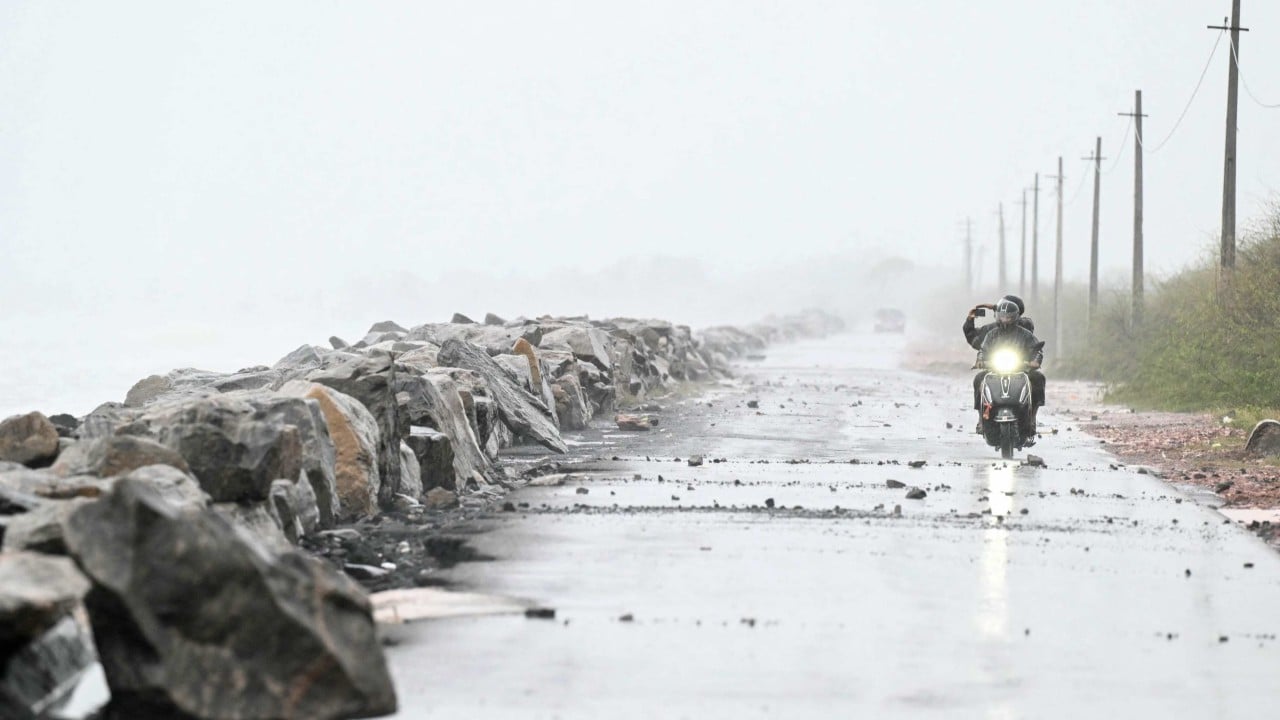
When the India Meteorological Department tracks a storm packing gusts up to 150 km/h, nobody in their right mind stays put.
Nearly 100,000 people found themselves rushed out of harm's way as Cyclone Arnab tore toward the southeast coast. Andhra Pradesh and Odisha bore the brunt of the chaos, turning coastal villages into ghost towns almost overnight. Disaster management teams didn't wait for the worst-case scenario. They forced evacuations before the storm surge could swallow entire neighborhoods.
If you think moving 100,000 people is a logistical walk in the park, you haven't seen the Bay of Bengal during storm season.
The Anatomy of a Mass Evacuation
Time is the ultimate enemy when a very severe cyclonic storm targets the mainland. Authorities in Andhra Pradesh scrambled to clear out vulnerable low-lying areas, relocating roughly 50,000 residents. Right next door in Odisha, another 48,000 packed what they could carry and headed for higher ground.
Ports locked down. More than 30,000 fishing boats got hauled ashore or tied down tight because a single stray vessel turns into a lethal missile in hurricane-force winds. Over 2,000 emergency cyclone shelters opened their doors across 20 districts.
People crowded into concrete community halls, schools, and government buildings. Mattresses lined up floor-to-floor. Sirens wailed on mobile phones as automated emergency alerts bounced across millions of devices in the danger zones.
Why the Bay of Bengal Keeps Breeding Monsters
Cyclones aren't new to this part of the world. The Bay of Bengal acts like a giant atmospheric pressure cooker, especially when seasonal shifts kick in. But something feels different lately. Warming sea surface temperatures are fueling these systems faster than standard forecasting models can keep up with.
When a storm hits 93 mph winds right before landfall, it stops being a standard weather event. It becomes an existential threat to infrastructure, agriculture, and millions of livelihoods. Over 12 million people live directly along the projected path of systems like Arnab in Andhra Pradesh alone. That's a staggering population density to protect when the ocean decides to push inland.
Medical Teams and Ground Realities
Evacuating bodies is only half the battle. Keeping people alive once they are crammed into shelters requires an entirely different machine.
Local governments deployed nearly 1,100 medical teams to handle everything from waterborne illnesses to panic attacks and trauma. Power grids took a massive hit early on. Train services got canceled outright because tracks submerged under sudden, torrential downpours or got blocked by flying debris.
Port cities like Kakinada experienced the wrath firsthand. Waves smashed violently against sea walls, pushing saltwater deep into agricultural fields and contaminating freshwater supplies. Residents who chose to stay behind to guard their homes quickly realized they were trapped as rising tides cut off access roads.
What Happens After the Winds Die Down
The media usually packs up its cameras the moment the wind slows down. That is when the real nightmare begins.
Displaced families return to find mud-caked ruins, ruined crops, and contaminated wells. Repairing the grid takes weeks. Rebuilding lost homes takes months. Yet, the speed of this recent evacuation proves that India's disaster response mechanisms have evolved past the days of passive waiting. Getting nearly 100,000 people out before impact saved countless lives.
Preparation makes the difference between a tragic headline and a managed crisis.