Frontline towns rarely see pauses in fighting, but Oleshky is breaking the rule. A localized ceasefire between Russian and Ukrainian forces has officially started, bringing rare breathing room to a settlement caught in a severe humanitarian crisis. The temporary truce wasn't engineered by traditional defense diplomats or career negotiators. It came together through an unexpected diplomatic push led by US First Lady Melania Trump.
If you've been following the grinding war in eastern and southern Europe, you know how rare localized truces are. Most ceasefires collapse before humanitarian corridors even open. Yet, this agreement has managed to secure actual clearance for food, medical supplies, and civilian evacuations in a heavily contested pocket of Kherson.
Why Oleshky Became a Crisis Point
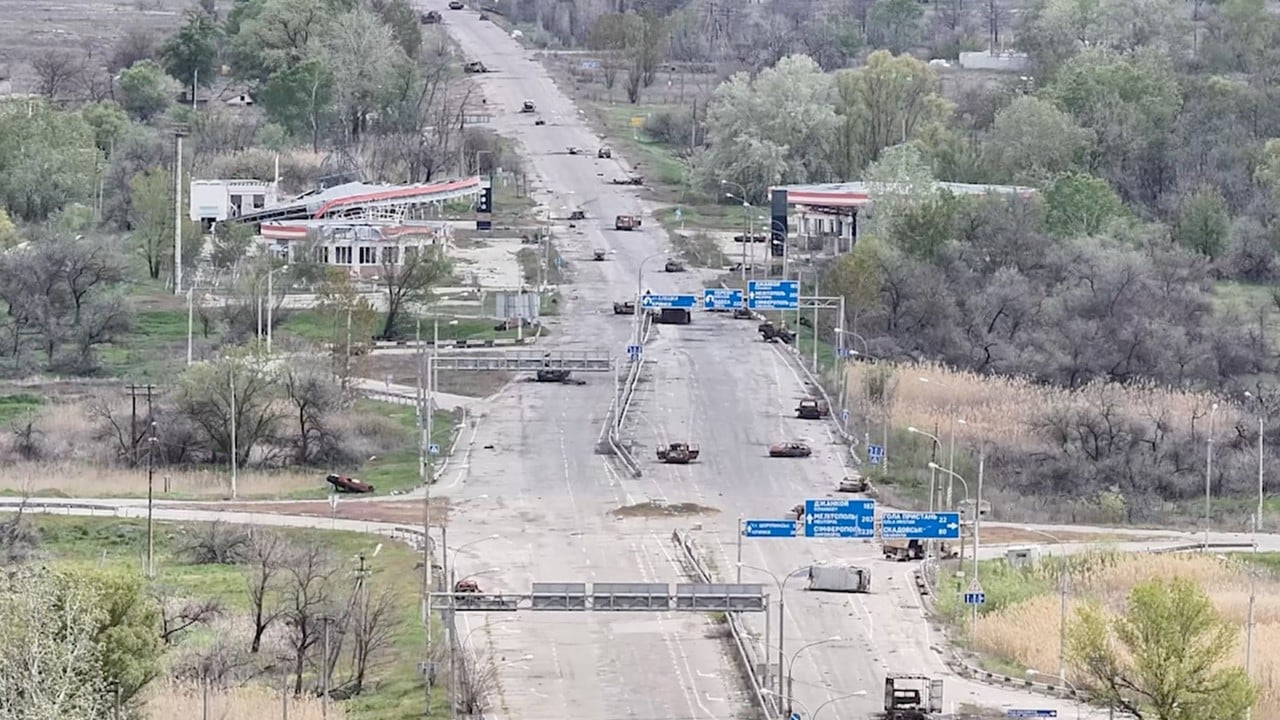
Oleshky sits right on the front lines of the conflict. Before the war, its population hovered around 24,000 people. Today, roughly 1,700 to 2,000 residents remain trapped inside the Russian-occupied town. Most of them are elderly citizens who couldn't leave when the fighting escalated years ago, alongside a small group of children.
Supplies dried up months ago. Power outages, fuel shortages, and active combat lines left the remaining population fighting starvation. Residents reported surviving on minimal rations or emergency supplies dropped intermittently by drones. The situation got so desperate that human rights monitors described the town as a disaster zone on the brink of total collapse.
The Diplomatic Push Behind the Truce
Negotiations for the Oleshky corridor moved quietly behind the scenes for weeks. Reports from the White House and international observers confirm that Melania Trump coordinated directly with officials on both sides to establish new mechanisms for civilian safety. Her office focused heavily on the plight of children and vulnerable residents stranded in combat zones.
The Kremlin and Ukrainian officials both acknowledged the unusual diplomatic channel. Russian Chief of the General Staff Gen. Valery Gerasimov announced that Russian forces would halt strikes on the Kherson axis to allow engineering reconnaissance and humanitarian convoys to enter. Ukrainian human rights officials also confirmed the parameters for safe evacuation passages, noting that mine clearance had to happen first before any aid trucks could roll safely down the road.
What Happens Next on the Ground
A ceasefire on paper is entirely different from a ceasefire in an active combat zone. The logistics are brutal. Military engineers must sweep roads for unexploded ordnance and landmines before any relief supplies move forward.
Russian and Ukrainian authorities have stated that evacuations will take several days. Civilians wishing to leave the front-line city will be given safe passage out of the immediate danger zone. Whether this single localized pause can spark broader diplomatic momentum remains to be seen. For now, the immediate focus is keeping people alive in a town that ran out of options weeks ago.
Watch this Oleshky ceasefire report to see more details on the humanitarian agreement and evacuation plans.
http://googleusercontent.com/youtube_content/1