When a missile or drone streaks across the Arabian Peninsula toward critical energy infrastructure, global markets don't wait for official damage reports. They react instantly. The Houthi movement's claim that they hit Saudi Arabia's Ras Tanura oil refinery with a missile sent immediate shockwaves through oil trading desks, proving once again just how fragile modern supply chains really are.
If you've followed regional conflicts over the last decade, you know these escalations are never isolated incidents. They represent a calculated chess match where economic assets serve as primary leverage. But what actually happened at Ras Tanura, and why does this specific target matter so much to the world? Let's break down the realities behind the headlines.
The Strategic Importance of Ras Tanura
To understand why this attack made front-page news worldwide, you have to look at what Ras Tanura actually is. Located on Saudi Arabia's Gulf coast, it isn't just another processing plant. It's the crown jewel of Saudi Aramco's refining operations and one of the largest oil shipping hubs on the planet.
Millions of barrels of crude pass through its facilities every single day. Tankers dock at its massive piers, loading up energy supplies destined for Asia, Europe, and beyond. When a military faction targets a facility like Ras Tanura, they aren't just aiming at a building in Saudi Arabia. They're poking at the jugular vein of the global energy supply.
How Regional Tensions Drive Energy Volatility
Energy markets are notoriously sensitive to geopolitical friction. Traders live in constant anxiety about supply disruptions, and attacks on Saudi infrastructure amplify that fear tenfold.
When strikes or attempted strikes occur, insurance premiums for cargo ships spike almost immediately. Refiners start scrambling to secure alternative crude sources. Even if physical damage turns out to be minimal or nonexistent—as Saudi officials frequently report following these interceptions—the psychological impact on trading floors drives prices upward.
You're looking at a dynamic where perception often dictates market reality just as much as physical destruction does. Every time the Houthis claim a successful drone or missile strike on facilities belonging to Saudi Aramco, it forces energy analysts to recalculate risk premiums across the entire Middle East.
The Reality of Air Defense and Interception
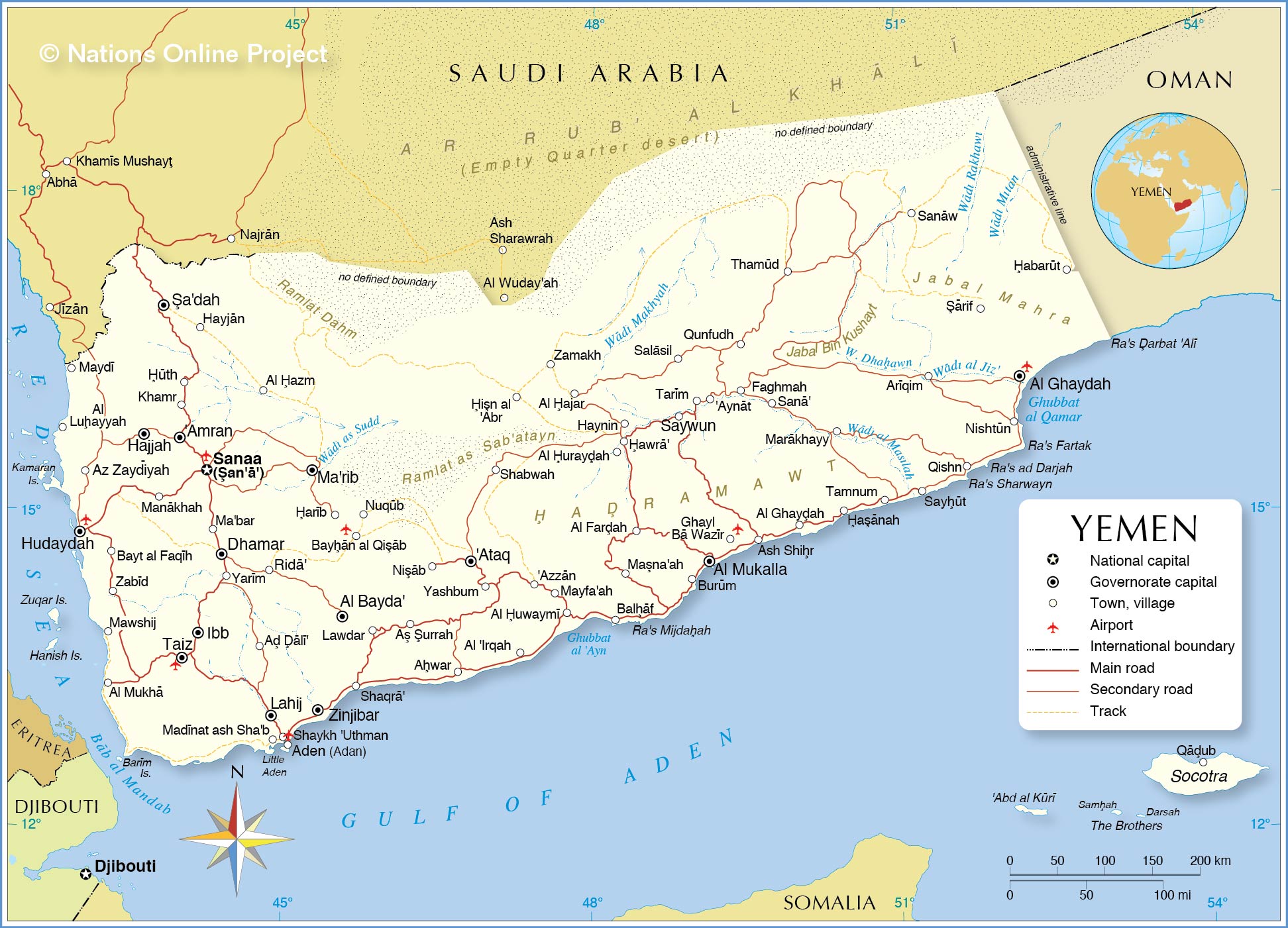
Modern missile defense systems face an uphill battle against asymmetric warfare. Saudi Arabia invests heavily in advanced defense batteries, intercepting the vast majority of incoming projectiles launched from Yemen. Patriot systems and allied radar networks track inbound threats long before they reach coastal refineries.
Yet, a 100% success rate is practically impossible in missile defense. Even intercepting a projectile overhead can cause debris to rain down over populated or industrial areas, sparking fires or triggering automatic safety shutdowns. These precautionary shutdowns can temporarily halt operations just as effectively as a direct hit, creating operational bottlenecks that take days to clear.
What This Means for the Future of Regional Security
The ongoing conflict in Yemen has long transcended local borders. It functions as a proxy arena, drawing in regional powers and putting critical global shipping lanes at risk.
As long as the political stalemate persists, infrastructure targets will remain vulnerable. Energy companies and maritime operators are forced to adapt by building greater redundancy into their logistics, upgrading electronic countermeasures, and diversifying export routes where possible.
You cannot simply move a refinery like Ras Tanura, nor can you easily replace its massive throughput capacity. That reality leaves energy markets permanently exposed to the ebb and flow of regional hostilities.
If you want to track where global oil prices are heading next, stop looking exclusively at production quotas from major cartels. Keep a close eye on the skies over the Arabian Gulf and the diplomatic frequency of cross-border security talks. That's where the real story unfolds.