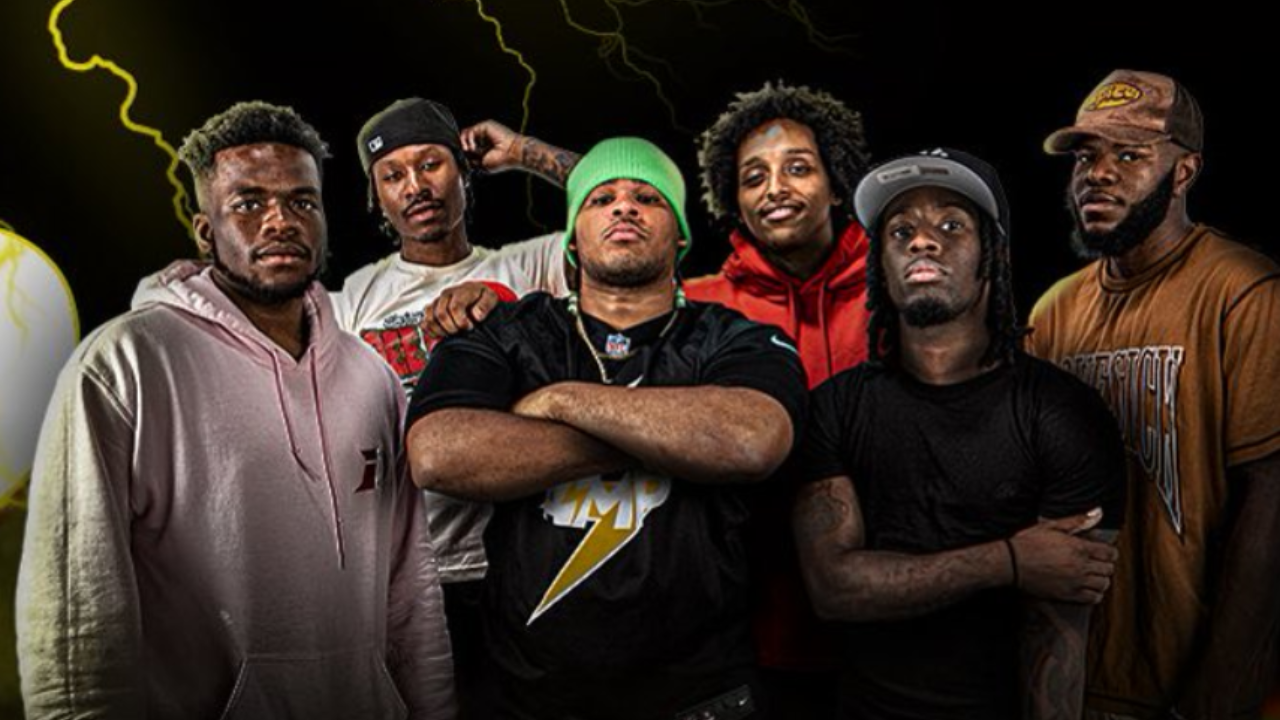
Four years after setting up an initial home base in Marietta, the powerhouse creator collective AMP has quietly scaled up its physical footprint in Georgia. Instead of renting another high-profile urban penthouse, the group reportedly purchased six nearby properties to establish a private neighborhood enclave known as "The Hill."
If you follow modern online culture, you know that creator houses usually follow a predictable arc. Creators move in together, clash over chores, burn out within six months, and scatter. AMP did the opposite. By treating physical proximity as operational infrastructure rather than content bait, Kai Cenat, Fanum, Agent00, Duke Dennis, ImDavisss, and ChrisNxtDoor built a sustainable engine. Now, they're scaling that model into a full real estate cluster.
Why Location Matters for Modern Creator Collectives
Most creators try to run massive collaborative channels remotely. It rarely works. Trying to coordinate stream schedules across different time zones or even different sides of a sprawling metropolis kills momentum.
When AMP first laid roots in Georgia back in 2022, they understood a fundamental truth of digital media production: creative speed depends entirely on friction reduction. Having dedicated spaces for gaming, editing, and sleeping under one roof changed everything.
Fast-forward four years, and a single house isn't enough anymore. The collective's ecosystem expanded to include their wider circle, notably housing associates like the Clover Boyz. Fanum broke down details of the expansion during a recent Twitch broadcast, noting that their main headquarters sits at the apex of the property cluster while surrounding homes accommodate close collaborators and production crew members.
The Economics of The Hill
People often ask how digital collectives sustain these massive property footprints. The answer comes down to diversified revenue streams and vertical integration.
- Independent Audiences First: Every member built an individual core audience before merging forces under the Any Means Possible banner.
- Shared Production Costs: Centralizing equipment, editing talent, and staging areas cuts overhead.
- Brand Synergy: Sponsors pay top dollar for group activations that would cost millions to coordinate independently.
ImDavisss pointed out in interviews that working alone for years creates blind spots. Merging operations allows these creators to pool resources, hedge against algorithmic shifts, and maintain a staggering output that pushed their collective YouTube subscriber count past 8 million.
Moving Past Traditional Content Houses
The old era of influencer mansions meant dramatic reality TV setups designed for quick subscriber spikes. The Hill represents a different phase of the creator economy. It functions more like a traditional studio lot or a record label headquarters.
By spreading out across six nearby homes rather than cramming dozens of people into a single overly expensive rental, the group solved the biggest flaw of the influencer house: burnout and loss of privacy. Everyone gets workspace collaboration zones without sacrificing personal boundaries at the end of a fourteen-hour stream day.
As streaming platforms evolve and creator-led media continues outperforming traditional television networks, physical infrastructure remains the ultimate competitive advantage. AMP isn't just streaming from Georgia anymore. They are building a permanent zip code for the future of digital entertainment.