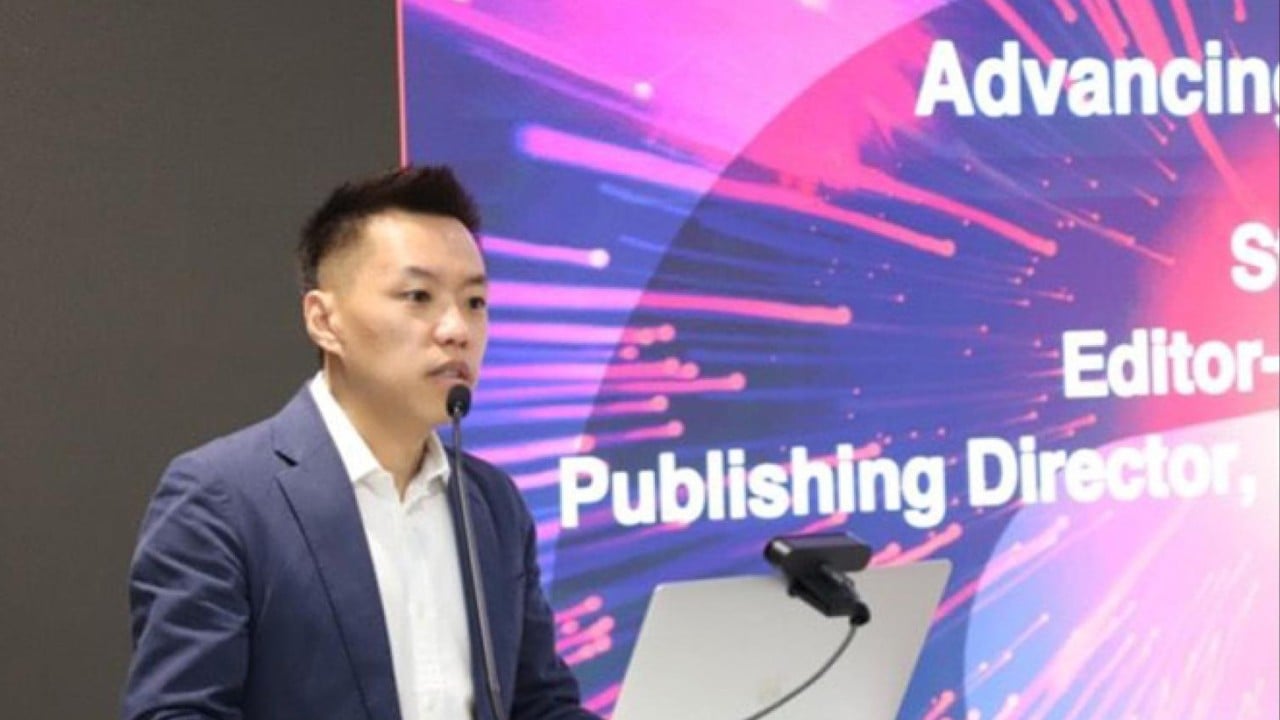
Academic publishing just hit another massive wall of scandal. Cell Press is currently investigating Steve Mao, the editor-in-chief of Cancer Cell, following explosive bribery accusations made by prominent Chinese biologist Rao Yi.
If you think scientific journals are immune to corruption, you haven't been paying attention. This high-profile showdown exposes the fragile trust underlying global research evaluation systems.
How the Bribery Allegations Blew Up
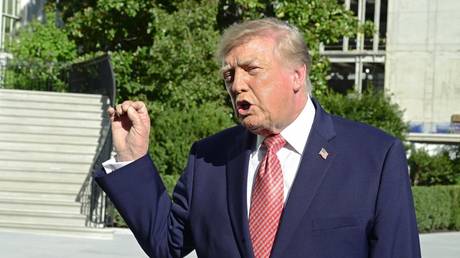
The storm started on social media. Rao Yi, a well-known biologist and president of Capital Medical University, publicly singled out Steve Mao. Rao didn't just drop vague accusations; he posted email correspondence in English detailing claims that Mao had solicited bribes from Chinese scientists or researchers.
The allegations immediately shook the oncology and academic publishing communities. Cancer Cell is one of the most prestigious journals in oncology, published in the United States by Cell Press. When a heavyweight figure like Rao Yi points fingers at an editor steering such an influential publication, the fallout spreads fast.
Mao fired back quickly, calling the claims completely false and groundless. He demanded an immediate retraction. But the damage was already done. Cell Press issued a statement acknowledging the gravity of the situation, confirming they take editorial integrity seriously and are actively investigating according to established procedures. They also reached out to Rao Yi to gather any supporting evidence.
Who is Steve Mao?
To understand the weight of this scandal, look at the accused editor's pedigree. Steve Mao earned his undergraduate degree from the School of Life Sciences at Peking University. He then completed a PhD in cell biology at the University of Texas Southwestern Medical Center before holding postdoctoral fellowships at Cold Spring Harbor Laboratory and Harvard University.
His publishing career spans over a decade. He joined Cell Press in 2012 as a senior editor for Cell, moved to Science as a senior editor in 2017, and took the helm as editor-in-chief of Cancer Cell in 2020. Someone with that kind of resume doesn't typically land in corruption crosshairs quietly.
The Bigger Crisis in Scientific Integrity
This isn't just about one editor or one journal. The academic world faces mounting pressure over how research gets evaluated, funded, and published. High-impact journals hold immense power over researchers' careers, promotions, and grant funding—especially in competitive markets like China, where publishing in elite Western journals often dictates institutional prestige and financial rewards.
When publication in a journal like Cancer Cell can make or break a lab's future, the incentives for unethical behavior skyrocket. Paper mills, fraudulent data, and editorial backchannels have plagued scientific publishing for years. Whistleblowers like Rao Yi stepping forward expose the cracks in a system that relies heavily on internal self-policing.
What Happens Next for Cell Press
Cell Press now faces a critical test of transparency. If the investigation clears Mao, the publisher must prove the review process was ironclad. If the probe uncovers misconduct, the fallout will force a harsh reckoning across top-tier international journals regarding editorial oversight and conflicts of interest.
Scientists are watching closely. The outcome of this investigation will shape how international publishers handle editorial accountability and rebuild trust with the global research community. Stop assuming peer review is foolproof. The cracks are showing, and fixing them requires radical transparency.