Counter-terrorism police in England didn't waste time making a move that sends shockwaves right through the heart of the Western military alliance. A 41-year-old senior United States Army soldier was arrested near Gloucester on suspicion of serious espionage offenses linked directly to Russia.
If you think modern military intelligence is all about high-tech satellite imagery and silent code-breaking, this case brings it crashing back down to harsh reality. Espionage still relies heavily on the oldest trick in the book: human sources betraying their uniform from the inside.
Where the Investigation Stands Right Now
The suspect, whose identity hasn't been publicly released beyond his age and military status, was detained under the United Kingdom's National Security Act of 2023. Specifically, authorities are looking at sections 1 and 3 of the act, which cover obtaining or disclosing protected information and assisting a foreign intelligence service.
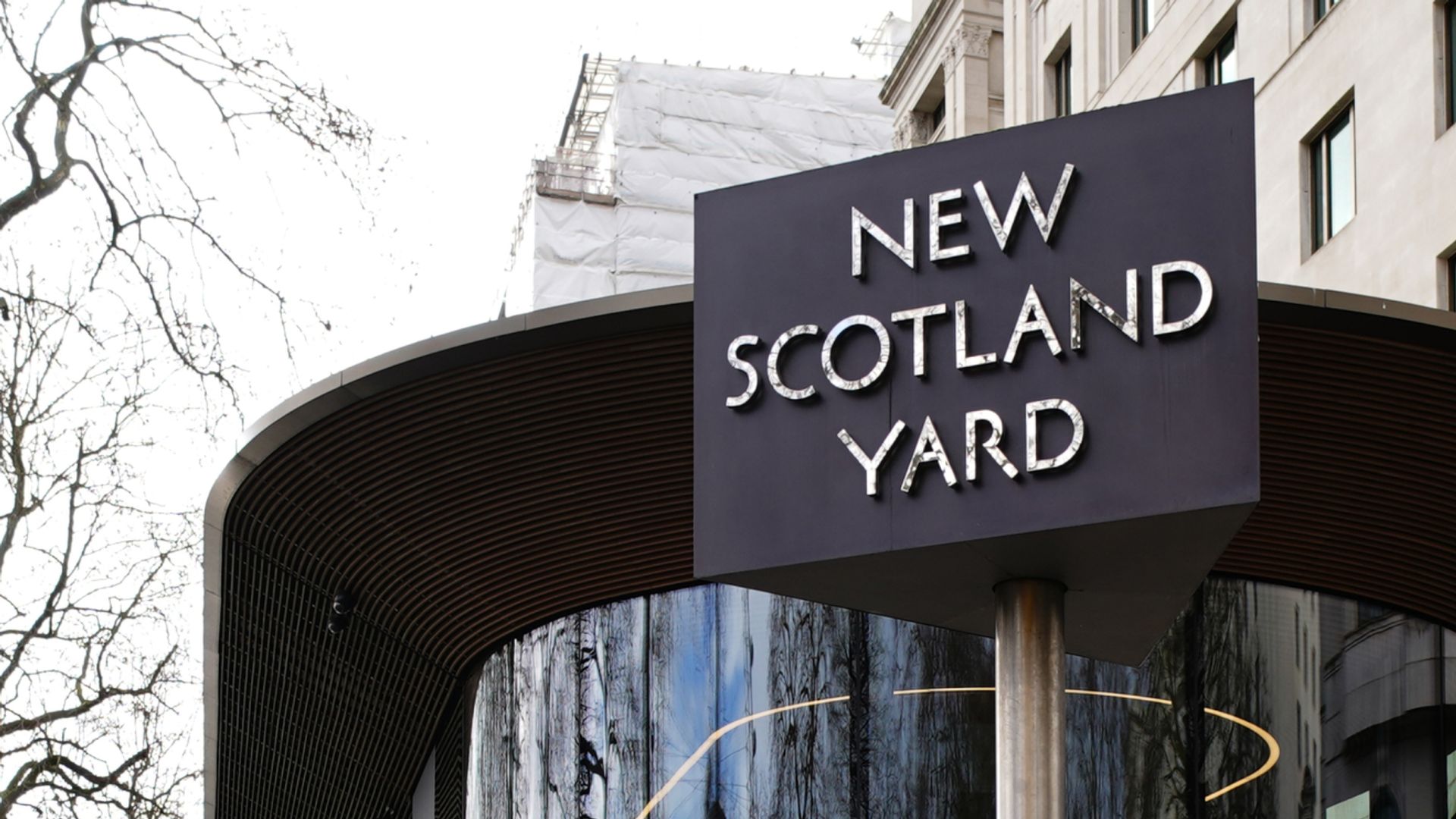
Officers from Counter Terrorism Policing London led the operation, descending on properties in Gloucestershire to search addresses tied to the soldier. He's currently being held at a London police station. Under the strict timelines of the UK's national security laws, investigators have a window to question him before formal charges must be laid or he's released.
The NATO Connection and Imjin Barracks
What makes this arrest particularly sensitive isn't just the suspect's nationality or the alleged foreign power involved. It's his duty station.
Reports place the soldier at Imjin Barracks in Innsworth, Gloucestershire. That location serves a massive strategic function: it is home to NATO's Allied Rapid Reaction Corps (ARRC). When you station an American military official inside a multinational command hub coordinating high-level defense strategies, you give them access to sensitive operational perspectives.
Security analysts note that an insider at a facility like the ARRC occupies a prime position to compromise sensitive communications or alliance planning. Brigadier General Sean Stinchon, commanding general of the U.S. Army Counterintelligence Command, called the conduct a sobering reminder that insider threats remain real and persistent.
Why This Case Matters for Transatlantic Security
The timing couldn't be more tense. European capitals and Washington are already on high alert over a persistent campaign of sabotage, drone incursions, and hostile intelligence operations across the continent. Since the escalation of the conflict in Ukraine, Western intelligence agencies have logged hundreds of suspicious incidents aimed at critical infrastructure and defense installations.
FBI Director Kash Patel weighed in sharply on the case, making it clear that Washington views the allegations with absolute gravity. The message from American and British law enforcement is unified: breaking a military oath to aid a hostile foreign state carries severe consequences, no matter where the arrest happens.
As counter-intelligence teams sift through digital media, hard drives, and communication records seized from the Gloucestershire properties, the investigation is far from finished. Expect more details to emerge as prosecutors decide whether the collected evidence meets the high threshold required under the UK's National Security Act.