Indonesian politics moves fast. Long gone are the days when winning an election required little more than backroom party deals and heavily funded television spots. Today, the path to power runs directly through smartphone screens. Enter Dedi Mulyadi, widely dubbed Indonesia’s "content governor" or viral populist, whose digital dominance has upended traditional calculations for the 2029 presidential race.
If you look at recent public opinion polls, you will notice a staggering shift. Incumbent President Prabowo Subianto faces a changing political climate as his approval ratings slide amid economic pressures, creating an unexpected opening for viral political outsiders. Dedi Mulyadi isn't just another regional bureaucrat posting filtered updates. He has built a digital empire of everyday interactions, grassroots problem-solving, and theatrical local governance that resonates deeply with millions of voters tired of distant elites. For another look, see: this related article.
Can an internet-savvy populist actually challenge a seasoned military general and sitting president in 2029? The answer reveals how modern Indonesian democracy operates.
The Rise of the Content Governor
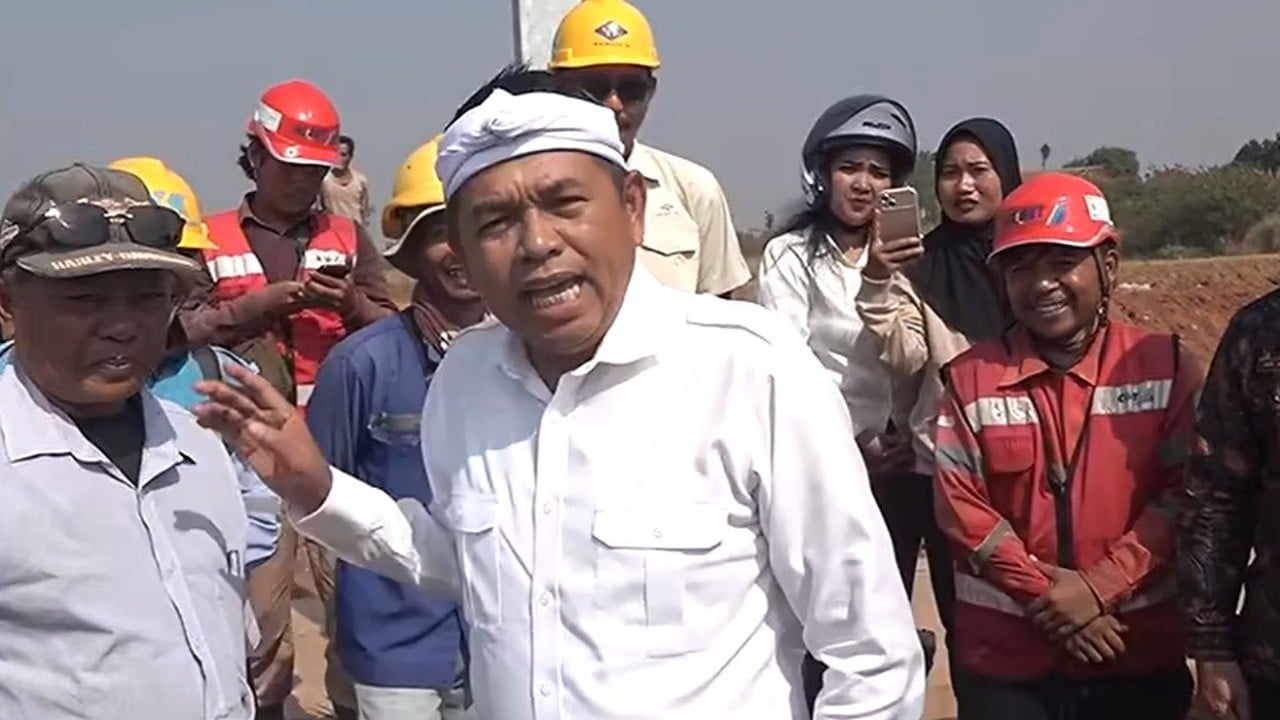
What makes Dedi Mulyadi different from standard politicians? He does not rely on sterile press releases. Instead, he floods social media feeds with raw, unscripted footage of himself mediating neighborhood disputes, chewing out lazy municipal workers, and comforting struggling farmers. It is part reality show, part radical transparency, and entirely effective. Further insight regarding this has been provided by USA Today.
For years, Indonesian regional leaders tried to mimic the quiet technocratic style popularized by figures like Joko Widodo. Dedi took a wildly different route. He turned his daily administrative work into compelling viral content. Millions of followers tune in daily not just for policy updates, but for the raw human drama of local governance.
This hyper-visible approach creates a fierce sense of personal loyalty. When voters watch a politician spend hours on camera holding corrupt local officials accountable in real-time, they feel a connection that no traditional campaign poster can buy.
Cracking the National Electoral Math
Winning a regional governorship or a local legislative seat is one thing. Capturing the archipelago's highest office requires a national coalition, massive logistics, and cross-island appeal. Skeptics often argue that viral fame does not automatically translate into ballots cast across disparate provinces like Java, Sumatra, and Papua.
Yet, recent polling numbers tell a surprising story. Surveys from groups like Tempo Data Science and SMRC show alternative figures scoring impressively high, with regional heavyweights like Dedi Mulyadi surging into striking distance in various head-to-head metrics. As Prabowo grapples with the hard realities of governing an inflation-hit economy, voter frustration opens the door for populist alternatives.
Furthermore, the abolition of rigid candidate thresholds by the Constitutional Court changes the entire game. Without the heavy legal barriers that previously locked smaller coalitions out of the presidential race, independent-minded disruptors find it much easier to enter the fray.
The Digital Populism Playbook
Traditional political parties in Jakarta are scrambling to figure out how to counter this trend. Parties spent decades building rigid bureaucratic hierarchies, only to watch independent operators bypass them entirely using algorithmic reach.
When you look at why voters respond so intensely to the content governor model, it comes down to authenticity. Voters want leaders who look like they are actually listening. When economic anxiety climbs and households feel the pinch of rising living costs, polished speeches from institutional insiders fall flat. A leader who broadcasts direct, unfiltered interventions offers a visceral alternative.
Of course, internet popularity comes with built-in risks. Viral moments can quickly turn into PR disasters if a politician oversteps or fails to deliver legislative results on a national scale. Running a sprawling country of over 270 million people requires vastly different skills than producing engaging short-form video clips.
What Comes Next for 2029
The early maneuvering for the next general election has already begun. As Prabowo navigates cabinet reshuffles and attempts to steady his administration, political analysts are watching closely to see which regional heavyweights manage to convert online hype into enduring political machines.
If you want to understand where Indonesian democracy is heading, stop watching the traditional party headquarters in Jakarta. Watch the feeds, track the engagement metrics, and pay attention to the leaders who have mastered the art of direct digital communication. The next major challenger to the presidential palace might not come from the military or the old elite guard. They might just be logging on right now.