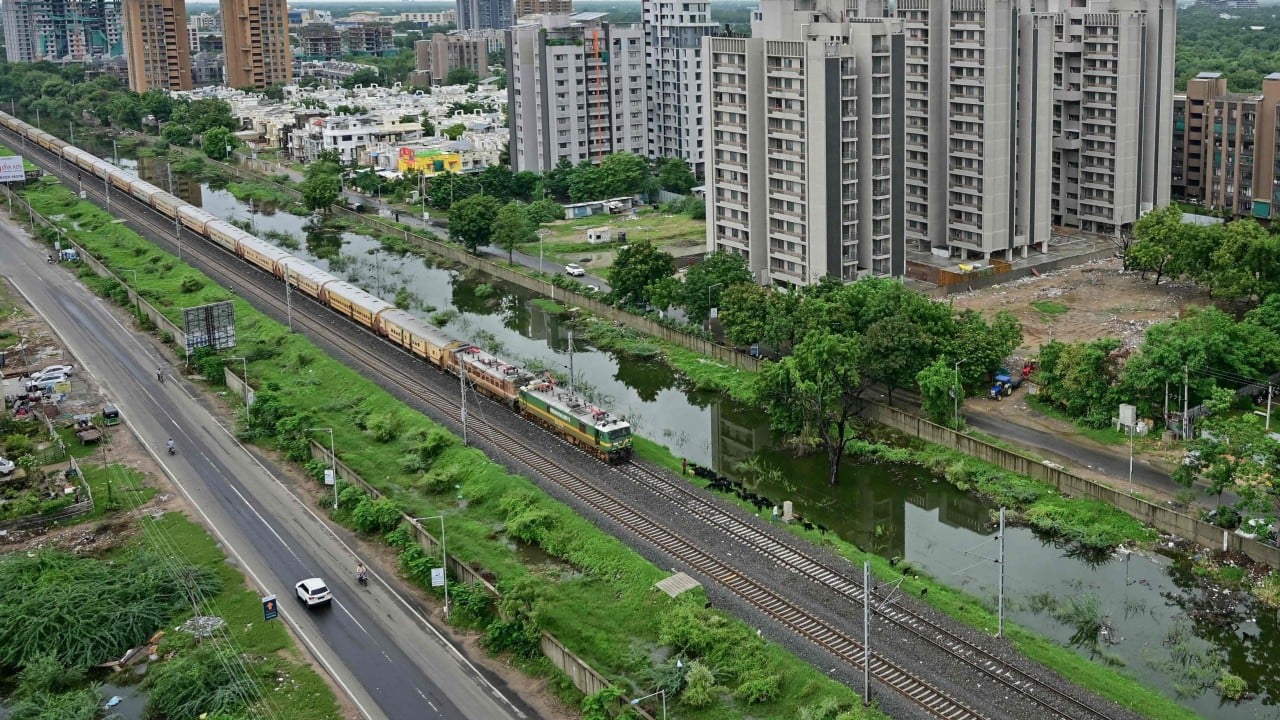
Glass towers rise while entry-level dreams fade. That is the reality of India's property market right now. If you look at headline numbers, you see a sector breaking records. Transaction volumes are surging. Private wealth is pouring into luxury high-rises. Shopping centers and commercial hubs are packed with capital.
Look closer. The foundation is cracking. If you enjoyed this post, you might want to look at: this related article.
Affordable housing has basically vanished from new developments. Back in 2018, entry-level flats priced under 5 million rupees made up over half of all launches across major cities. Today, that share has crashed to single digits. Developers aren't building for the common earner anymore. They are chasing high-net-worth margins, leaving millions of aspirational families locked out of ownership.
The Numbers Don't Lie
Why is this happening? Simple math. Builders face skyrocketing land acquisition costs, steep compliance hurdles, and expensive construction inputs. When you pile those expenses together, building a budget apartment yields razor-thin margins. Why sell a flat for 4 million rupees when you can slap luxury finishes on a high-rise unit and sell it for 30 million? For another perspective on this event, check out the recent coverage from Forbes.
The market has spoken with its wallet. Institutional money follows the high end. According to data from real estate networks like ANAROCK and Knight Frank, budget properties under 5 million rupees now account for barely a fraction of fresh inventory. Meanwhile, EMI-to-income ratios for middle-class buyers have crept upward past comfortable thresholds. You aren't just paying more for brick and mortar. You are watching your purchasing power shrink in real time.
Location Trap and the Peripheral Exile
Developers who do try to build lower-priced housing face another trap: land location. Urban acreage is scarce and fiercely expensive. To keep costs down, budget projects get pushed way out to city outskirts.
Nobody wants a cheap home if it takes three hours to commute to work. When housing projects land miles away from public transit and employment hubs, occupancy rates plummet. Families end up stranded in ghost townships with zero infrastructure. Buyers figure out quickly that a cheap flat far away costs more in time, transport, and misery than it is worth.
This creates a dangerous spatial divide. Wealthy urbanites live close to the core. The working class gets pushed further into the periphery.
What the Market Gets Wrong
Most commentators treat this as a temporary supply glitch. They think the pendulum will swing back naturally. It won't. Without aggressive policy intervention and clever financial engineering for developers, market forces will keep pulling capital toward luxury.
India's broader economic rise relies heavily on domestic consumption and urban employment multipliers. Real estate isn't just about billionaire penthouses. It relies on a healthy ladder. If young professionals and working-class families cannot climb the first rung of property ownership, the entire consumer engine stalls.
Fixing this requires real grit. State governments need to streamline land title processes, release government-held urban parcels specifically for budget projects, and offer tax incentives to builders who stick to volume-driven housing.
Don't buy the hype about an all-around real estate golden age until entry-level buyers get a seat at the table. A boom built only for the rich is fragile at best.
Affordable Housing Crisis: Can India's Budget Homes Be Saved?
This video explores the core economic challenges and stakeholder debates surrounding India's severe shortage of budget housing.