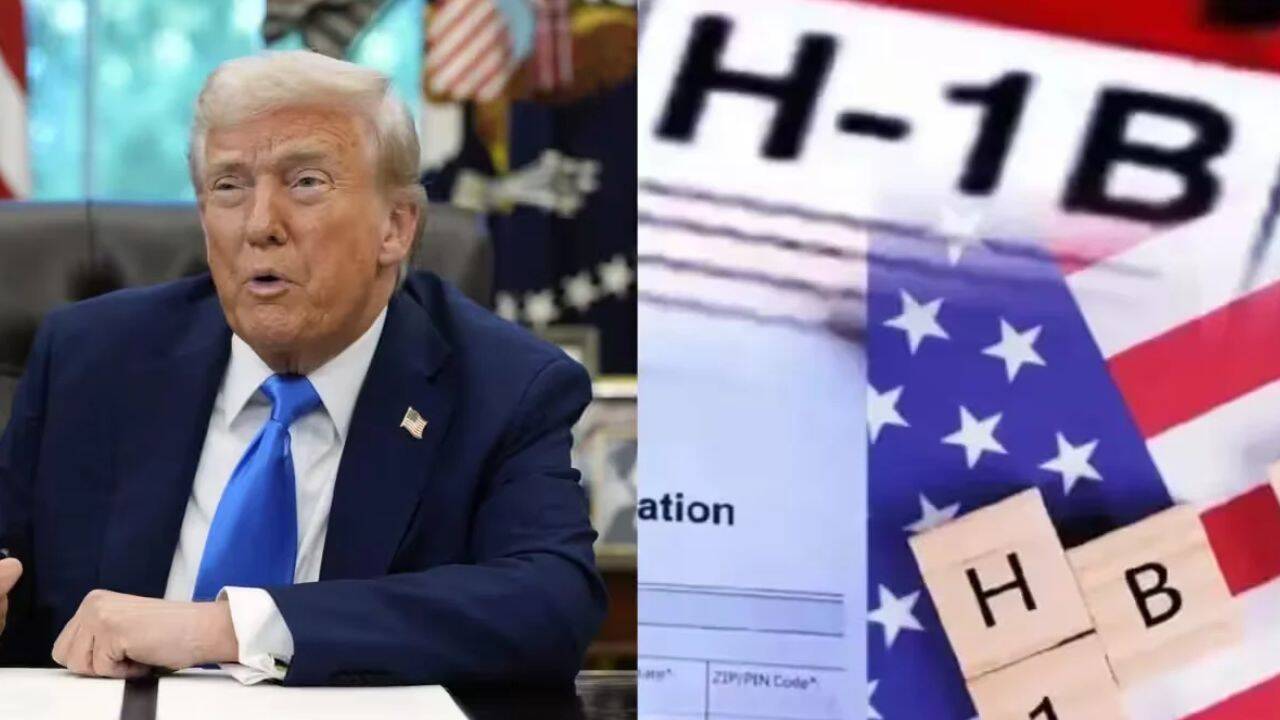
Politics rarely shifts on a dime. Instead, tectonic plates grind together quietly for years until a single election cycle breaks the landscape wide open. For decades, a segment of the Indian American electorate leaned toward conservative politics. Fiscal conservatism, professional drive, and an emphasis on traditional values built a natural bridge. But beneath the surface, friction was mounting.
When you talk to professionals in tech hubs from Silicon Valley to Austin, a common thread emerges. The conversation always circles back to legal immigration pipelines, visa backlogs, and the sheer anxiety of living on a clock. For years, skilled workers built lives, bought homes, and raised children while remaining trapped in green card backlogs that span decades. When political rhetoric targets immigration broadly without distinguishing between undocumented border crossers and legal H-1B visa holders who pay taxes and follow every rule, communities notice. Discover more on a connected subject: this related article.
That shift in tone has consequences.
The H1B Visa Anxiety Factor
Let us look at the numbers and the human reality behind them. The H-1B visa program serves as the literal backbone for thousands of Indian tech professionals in the United States. Yet, policy proposals and rhetoric surrounding the program often veer between restrictionist crackdowns and outright hostility toward foreign labor. Additional reporting by Wikipedia highlights related views on the subject.
When political leaders threaten steep fee hikes, stricter lottery rules, or outright caps on high-skilled migration, it sends shockwaves through suburban neighborhoods in New Jersey, California, and Texas. Families plan their entire lives around visa renewals and priority dates.
Living in a state of perpetual legal limbo changes how people vote.
If you are a high-earning software engineer who values lower taxes and business-friendly policies, you face a brutal dilemma when the party championing those economic ideas also signals hostility toward your legal right to remain in the country. Economic pragmatism often loses out when basic security and family stability are on the line.
Beyond Small Business and Low Taxes
Traditional political wisdom assumed that rising income levels would automatically lock minority immigrant groups into the conservative camp. Indian Americans boast high median household incomes and a massive footprint in entrepreneurship and medicine. By all conventional metrics of the twentieth century, they should be a locked-in constituency for the right.
That playbook is broken.
Voters do not check their identity at the ballot box. Younger generations of Indian Americans, shaped by different cultural and social currents, view politics through a much wider lens. Issues like civil rights, reproductive freedom, environmental policy, and social inclusion carry immense weight.
When political figures lean into exclusionary nationalist rhetoric, it alienates voters who might otherwise agree with conservative fiscal policy. Identity and dignity matter just as much as marginal tax rates.
Shifting Allegiances in Suburban Battlegrounds
Elections are won and lost on the margins in swing states. Look at places like Collin County in Texas, Fulton County in Georgia, or Loudoun County in Virginia. Suburban migration patterns have turned once-solid conservative strongholds into competitive battlegrounds, and the growing demographic weight of South Asian voters plays a direct role in that transformation.
These voters are not monolithic. You will find staunch conservatives, passionate progressives, and a massive pragmatic middle that swings back and forth based on current conditions. But the drift away from the Republican party among younger and professional cohorts is real.
Ignoring this shift is a strategic mistake for any political party that wants long-term viability in suburban America.
What Comes Next for the Electorate
The political realignment of Indian American voters is still unfolding. It is messy, nuanced, and deeply personal. Neither major party can take this community for granted anymore.
If political platforms want to win back these voters, rhetoric on legal immigration needs a radical overhaul. Treating high-skilled immigrants as a threat rather than an asset is a losing proposition in a global economy that runs on technology and innovation.
Pay attention to how candidates talk about legal pathways, green card backlogs, and skilled labor over the next few election cycles. That will tell you everything you need to know about where this vital voting block is heading.