Importing a luxury car into India used to mean bracing yourself for a massive tax penalty. For decades, customs duties hovering around 110 percent kept foreign-built premium vehicles out of reach for anyone except the ultra-wealthy who cared less about price tags and more about exclusivity.
That wall is finally cracking.
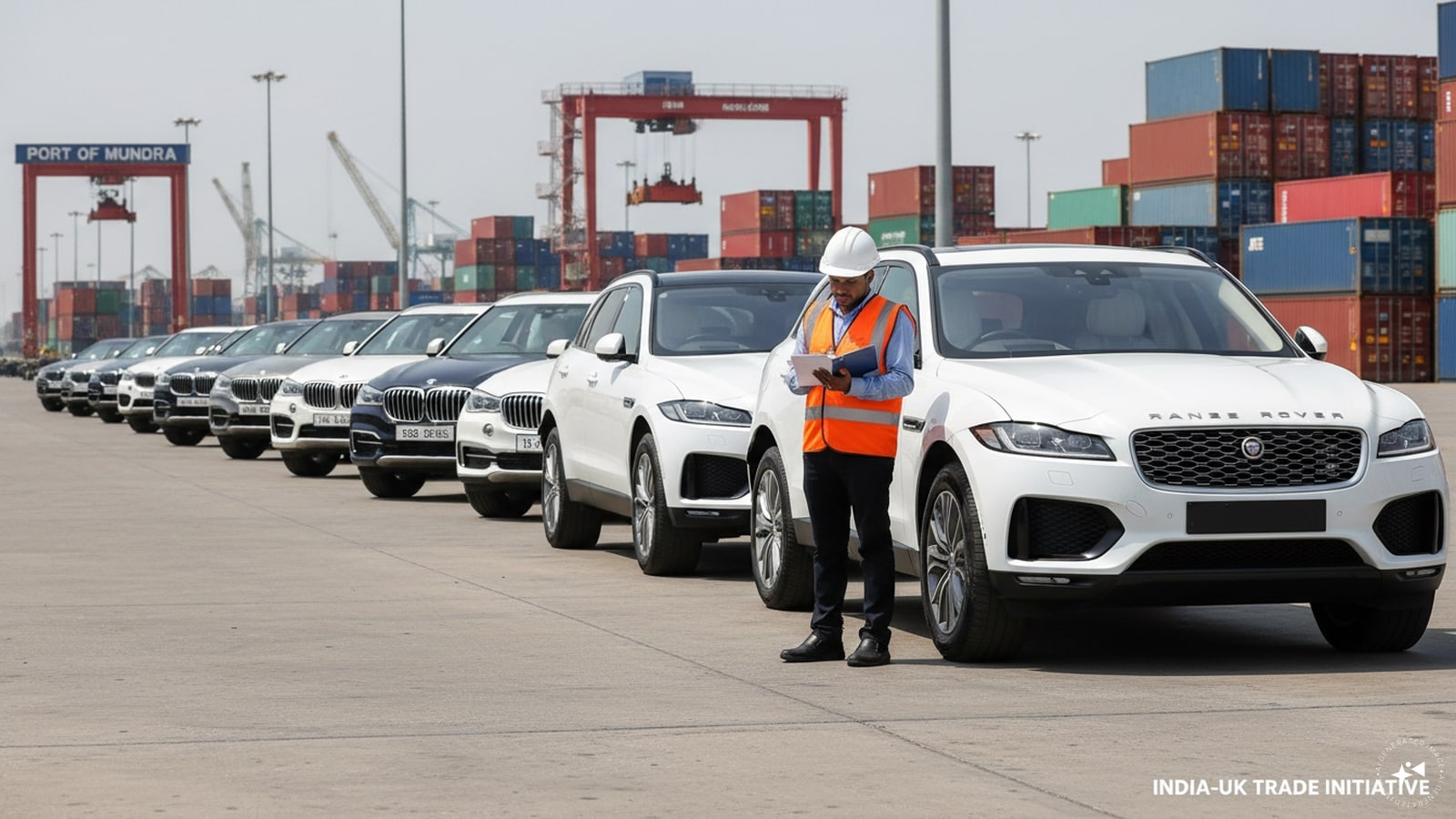
With the implementation of the India-United Kingdom Free Trade Agreement (FTA), the regulatory landscape for imported cars is shifting dramatically. Premium automotive giants like Jaguar Land Rover, alongside other iconic British-linked marques, are clearing compliance hurdles to bring vehicles into the country under a vastly reduced duty structure.
If you have been eyeing a high-end import, the rules of the game are changing. But before you assume every British-badged vehicle is suddenly about to drop drastically in price, you need to understand how the new quota and tariff system actually functions.
The Mechanics of the Tariff Reduction
The trade pact doesn’t open the floodgates for unlimited cheap imports. Instead, it introduces a carefully managed, quota-based tariff rate system designed to protect local manufacturing while throwing a bone to international trade partners.
Under the framework, the initial annual quota allows for thousands of eligible completely built units to enter India under reduced customs charges.
- High-End Powerhouses: Petrol vehicles with engines exceeding 3,000cc and diesel options above 2,500cc face an immediate drop from the suffocating 110 percent tariff down to 30 percent for the first-year quota window.
- Mid-Tier Engines: Petrol cars between 1,500cc and 3,000cc, alongside diesel engines up to 2,500cc, see duties fall to 50 percent.
- The Long Horizon: Over a five-year rollout, these in-quota tariffs are scheduled to taper down to just 10 percent, with total allowable import volumes expanding steadily.
It is a phased approach. The Indian government wants to see how the market absorbs these lower-taxed imports before expanding the ceiling.
Why Brand Origin Matters More Than You Think
A common misconception is that any car built by a British brand automatically qualifies for these sweet tax breaks. Reality is far more nuanced.
Take Jaguar Land Rover, arguably the most commercially positioned player to capitalize on this agreement due to its deep ties to Tata Motors and strong domestic presence. While JLR builds several of its flagship models in the UK, others roll off production lines elsewhere.
For instance, popular models like the Land Rover Defender and Discovery are heavily manufactured in Slovakia. Because the country of origin dictates trade pact eligibility rather than the corporate headquarters on the badge, Slovakian-built units miss out on the UK-specific tariff cuts.
Buyers looking for savings need to check the exact VIN and manufacturing plant. If it isn't built on British soil, the old duty rates apply. This distinction also affects ultra-luxury names like Bentley, Rolls-Royce, Aston Martin, and McLaren, where every single vehicle imported straight from UK assembly lines enjoys the massive tax relief.
Market Impact on Pricing and Margins
Will these savings pass entirely to the consumer? History suggests luxury automakers rarely hand over 100 percent of a tax cut to buyers.
Ahead of the agreement taking full effect, early adjustments saw select flagship models like the Range Rover SV drop by tens of lakhs of rupees. Yet, carmakers face a delicate balancing act. If they slash sticker prices too aggressively, they risk cannibalizing their own locally assembled lineups, which manufacturers spent years setting up to avoid historical import penalties.
Instead, expect brands to play a mixed strategy. Some will pass on partial price cuts to steal market share from German competitors like Mercedes-Benz, BMW, and Audi. Others will absorb the wider margins to fund localized dealer network upgrades, absorb currency fluctuations between the British Pound and the Indian Rupee, or pack higher-tier trim options as standard features.
What You Should Do If You Are Shopping
If you are in the market for a high-end import, stop waiting for an overnight collapse in luxury car prices. The annual quotas are finite. Once the first-year cap fills up, subsequent imports revert to standard tariff structures until the next cycle begins.
Focus your search on verified UK-built stock. Work directly with authorized brand executives who have visibility into quota allocations, rather than relying on independent grey-market importers who might promise tax exemptions they cannot legally secure. The playing field is finally leveling out, but navigating it requires precision.
UK Premium Cars Set To Get Cheaper Under India-UK FTA Sources say
This video provides a detailed breakdown of how the India-UK Free Trade Agreement impacts vehicle imports and what buyers can expect from upcoming pricing adjustments.
http://googleusercontent.com/youtube_content/1