New Delhi turned into an absolute fortress on October 10, 2026. Thousands of security personnel flooded the streets, erecting multi-layered barricades around Jantar Mantar and shutting down key intersections. Their target wasn't an armed militia or a major established opposition bloc. They were hunting down a movement named after insects.
Abhijeet Dipke, founder of the satirical Cockroach Janta Party, was intercepted and detained directly from inside an Air India aircraft the moment it landed in the capital. Delhi Police didn't even wait for him to touch the terminal floor. Alongside co-convenor Saurav Das and other youth leaders, Dipke was bundled away before he could rally a single supporter.
If you're wondering how a satirical political outfit managed to paralyze India's administrative core, you need to look at what they touched. The CJP didn't emerge in a vacuum. They hit a raw nerve regarding election transparency, voter list revisions, and intense public distrust directed at Chief Election Commissioner Gyanesh Kumar.
The Anatomy of a Lockdown
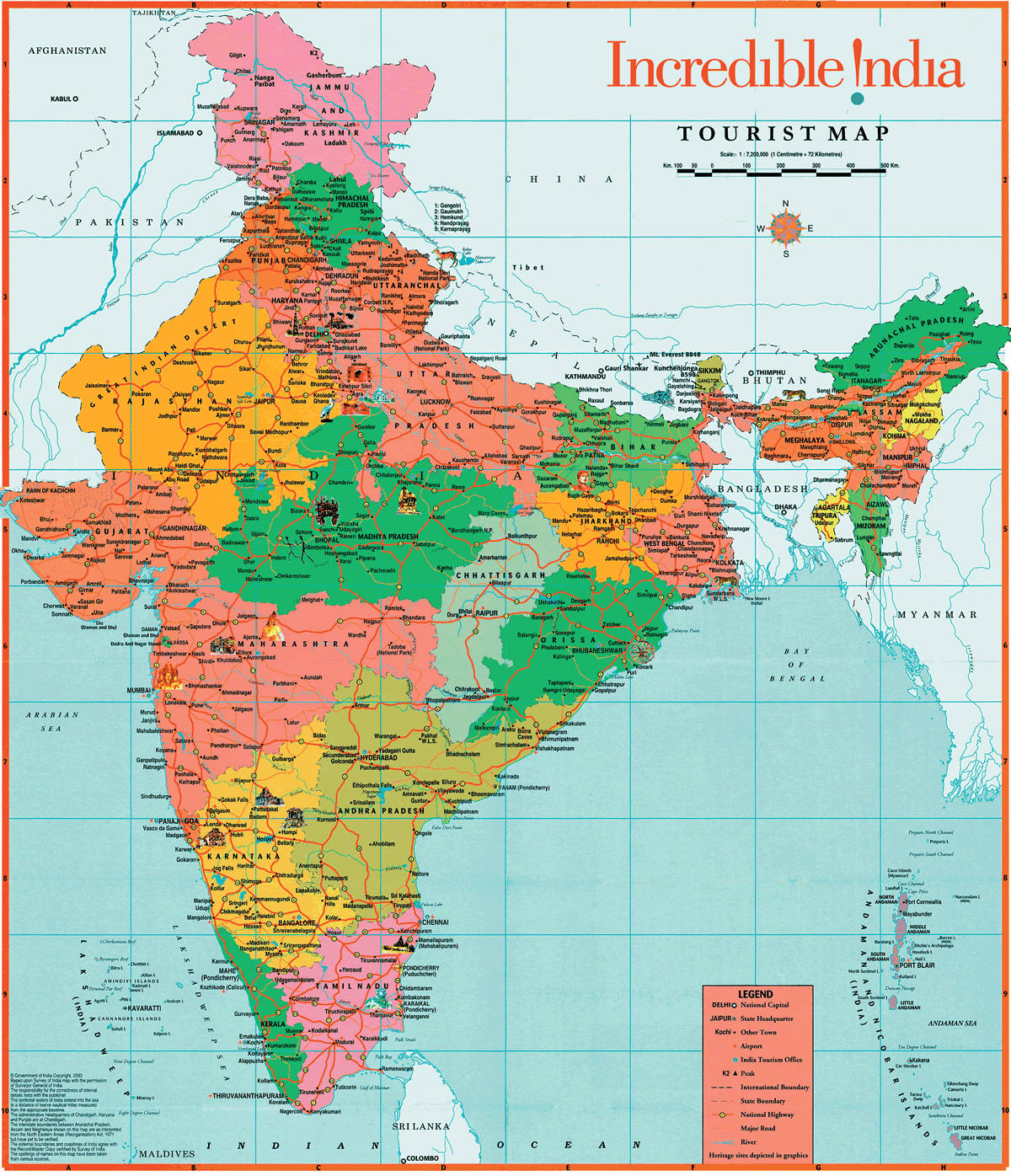
The crackdown wasn't limited to a tarmac interception. Authorities deployed a massive security apparatus across Delhi's 15 districts, detaining over 5,000 protesters and high-profile activists, including prominent commentator Dhruv Rathee from a flat in Gurugram. Section 163 of the Bharatiya Nagarik Suraksha Sanhita was slapped across the capital, armed drones monitored crowd movements, and over 300 audio-enabled CCTV cameras tracked potential gathering points.
Police officials justified the heavy hand by stating that the CJP's demonstration lacked proper advance authorization. Organizers filed their paperwork too late, according to district authorities. But critics and political analysts saw a familiar pattern of pre-emptive state suppression aimed at stifling youth dissent before it gained momentum.
Why call a party the Cockroaches? The name itself is a brilliant stroke of political satire. It mocks the establishment's view of ordinary citizens—survivors who multiply in the dark, refuse to be exterminated, and crawl out from under the woodwork no matter how much poison the system sprays at them.
What Sparked the Fury
The anger driving thousands of young Indians to defy prohibitory orders centers around the Special Intensive Revision of electoral rolls. Opposition figures and youth groups claim these revisions disproportionately impact marginalized communities and favor the ruling Bharatiya Janata Party.
When election machinery loses public trust, political participation shifts from the ballot box to the asphalt. The CJP capitalized on this deep-seated skepticism, transforming bureaucratic grievances into viral street theatre. They didn't build conventional party structures. They weaponized memes, digital organizing, and absurdism to expose the heavy-handedness of state security.
When you arrest a man on an airplane for leading a party called the Cockroaches, you don't crush the movement. You validate every single thing they've been saying about authoritarian overreach.
Where the Movement Goes From Here
With leaders locked away in undisclosed detention centers and police forces guarding every major square, the immediate street protest took a severe hit. Yet, grassroots organizers vowed to keep pushing through decentralized local actions.
Censoring a satirical movement on national television only guarantees that underground networks multiply faster. When the state treats a bunch of digital natives naming themselves after household pests as a national security threat, the joke stops being funny for those in power.