For years, New Delhi walked a delicate diplomatic tightrope. While Western capitals demanded total isolation of Moscow, India kept buying discounted Russian oil and calling vaguely for dialogue. Critics called it fence-sitting. They claimed India wanted to have it both ways without spending political capital.
That script is changing.
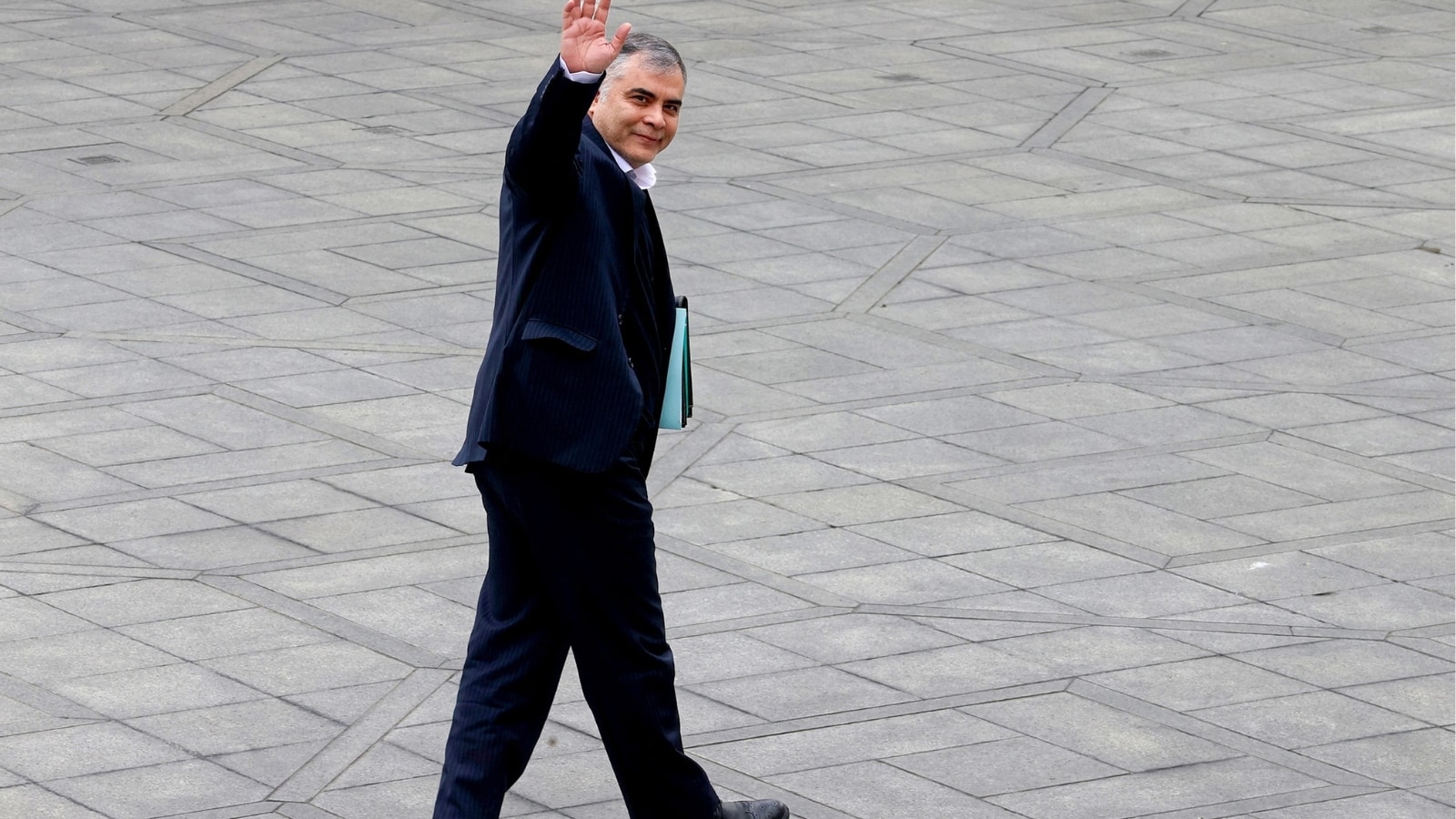
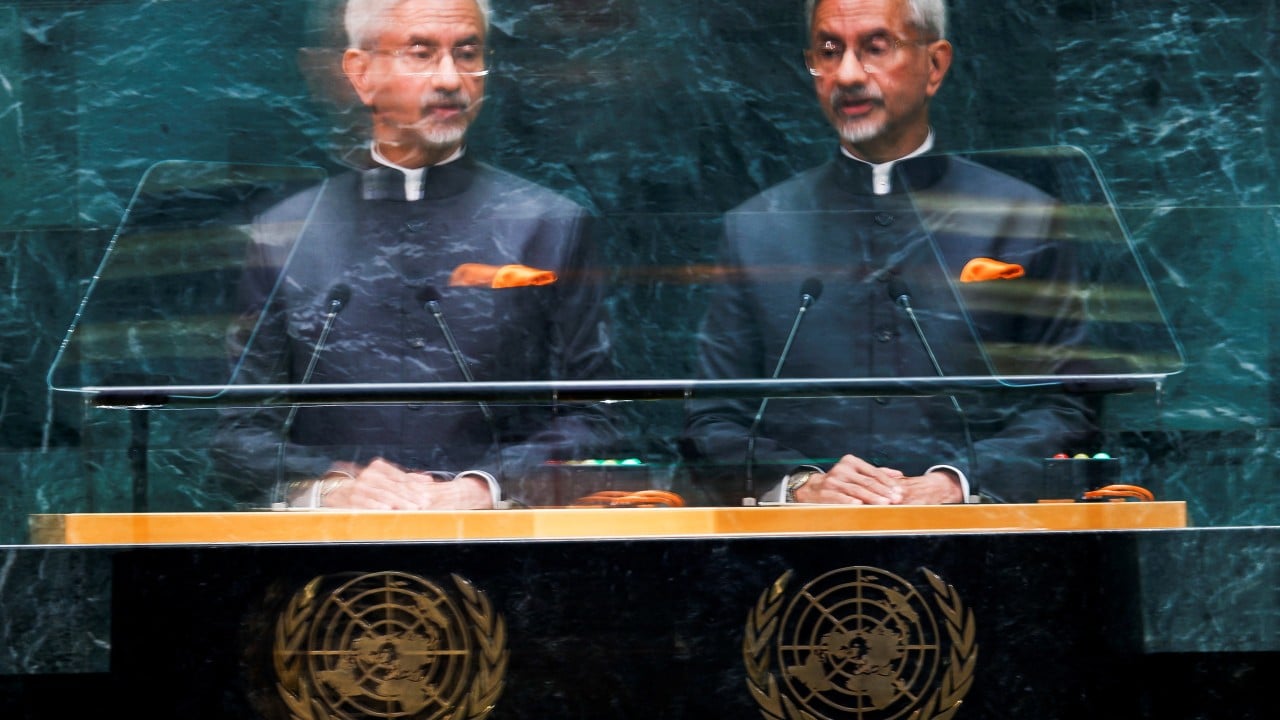
External Affairs Minister S. Jaishankar recently confirmed what international observers suspected for months. India is done playing the role of a passive bystander. Speaking publicly about the shift, Jaishankar noted that New Delhi has gone "a little bit more involved beyond advocacy" in tackling the Russia-Ukraine conflict.
This isn't just diplomatic rhetoric. Ukrainian Foreign Minister Andrii Sybiha recently acknowledged that Kyiv is reviewing specific peace proposals, calling India's submission the most comprehensive among several international options on the table. When both Moscow and Kyiv start taking your peace ideas seriously, you aren't just an observer anymore. You are a player.
Why New Delhi Dropped Its Purely Cautious Stance
For a long time, India's foreign policy playbook on European security was simple. You talk to everyone, you criticize no one, and you avoid getting dragged into conflicts outside your immediate neighborhood.
So what forced the change?
The economic fallout didn't stay localized. Global supply chains fractured. Energy security became volatile. Fertilizer prices spiked. Shipping routes across the Black Sea turned into high-risk zones. India's national interest is tied directly to stable global trade, and a protracted European war hurts developing economies the most.
प्रधानमंत्री Narendra Modi didn't just talk about peace in general terms during meetings with Russian President Vladimir Putin and Ukrainian leaders. He pushed concrete ideas. Putin himself noted that Modi brought genuinely workable concepts to the table.
Beyond Talk: The Practical Focus Areas
India isn't trying to draft a grand, unrealistic peace treaty that neither side will sign. Instead, New Delhi is targeting specific, high-impact friction points where practical agreements are possible.
- Black Sea Shipping Safety: Commercial cargo and grain transport remain heavily disrupted. Keeping sea lanes open matters immensely for global food security.
- Energy Infrastructure: Discussions actively cover non-attack understandings regarding energy facilities and exports.
- Backchannel Communications: Maintaining trusted lines with both the Kremlin and Kyiv allows India to transmit messages that Western diplomats cannot deliver directly due to severed trust.
This practical focus explains why Kyiv received India's proposal so openly. It addresses immediate survival needs rather than forcing an impossible compromise on territorial disputes overnight.
The Realpolitik of Global Neutrality
Western diplomats used to view non-alignment with suspicion. Today, true neutral powers hold a monopoly on mediation. You can't broker a peace deal if you've already sanctioned one side into economic oblivion.
India's unique position stems from its historical ties with Moscow combined with its growing economic and strategic alignment with the West. That dual-track relationship used to draw skepticism. Now, it's the exact asset that makes Indian diplomatic intervention viable.
Ukraine needs international backing from non-Western nations to show that peace isn't just a Western project. Russia needs interlocutors who won't automatically parrot NATO talking points. India fits that exact gap.
Expect New Delhi to keep expanding its diplomatic footprint. The era of comfortable neutrality is giving way to pragmatic intervention because the costs of a endless war are simply too high to ignore.
Take a look at how global powers handle protracted conflicts. When traditional alliances lock nations into endless fighting, it takes independent actors with skin in the game to force a conversation about the end of the war. India is stepping into that vacuum.