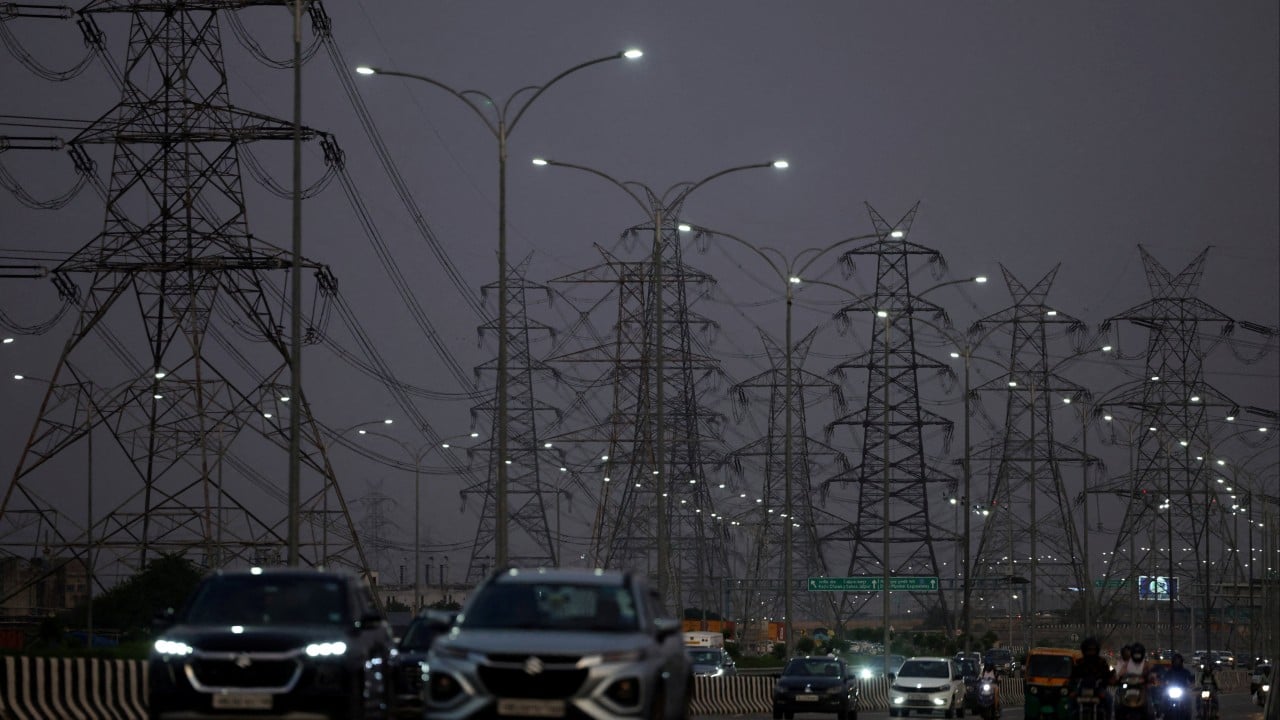
When the lights go out for ten hours straight in an industrial heartland, factories don't just pause. They bleed money. Right now, homes, small businesses, and manufacturing hubs across India are grappling with crippling blackouts because the nation's coal lifeline is choking under immense pressure.
Coal still powers roughly two-thirds of the country. But a toxic mix of extreme weather, depleted fuel stockpiles, and logistics bottlenecks has pushed the electricity grid to its absolute breaking point.
The Reality on the Ground
If you run a manufacturing plant, a power cut isn't just an inconvenience. It is an operational disaster.
Small steel mills in central states like Chhattisgarh are currently enduring rolling outages lasting up to twelve hours a day. Think about what happens inside a high-heat industrial furnace. You've got molten metal inside the chamber, and right before you extract it, the grid dies. By the time power returns, the entire batch has solidified. You have to melt the whole thing over again from scratch.
That wastes raw materials, burns extra energy, ruins machinery, and blows delivery deadlines to pieces.
Badish Jindal, who runs a steel wire facility, points out that sudden machinery stoppages also drive up workplace safety risks. When power flickers and dies without warning, operating heavy industrial equipment becomes a hazardous gamble.
Why Did the Coal Reserves Drop This Low?
India's energy crunch didn't happen overnight. It's the result of a severe pinch where supply failed to match an aggressive spike in consumption.
A weak monsoon season earlier in the year shrank hydropower generation. At the same time, intense heatwaves sent electricity demand soaring as millions cranked up air conditioning units and farmers ramped up groundwater pumping for crop irrigation.
To keep up, coal-fired power stations burned through their reserves at an alarming pace. By early October 2026, fuel stockpiles at power plants plummeted toward a five-year low. Over 40 percent of the country's coal fleet slid down to four days or less of fuel inventory—the lowest critical threshold seen since late 2021.
Nature also played a cruel hand. A late burst of heavy rainfall lashed eastern coal-mining regions, halting open-cast mining operations and choking rail transport routes. When mines flood and rail cars sit idle, power plants can't restock.
The Industrial Squeeze
While grid-connected utilities scramble for fuel, independent and large industrial customers—such as chemicals, paper, and metals smelting plants—face a double standard. State-owned giant Coal India has prioritized deliveries to grid-tied generators, leaving private industrial fuel buyers out in the cold.
Factories that rely on captive power plants cannot secure enough coal to keep their own generators running. They are forced to scale back output or shut down production lines entirely.
Meanwhile, India's rapid expansion of solar and wind power has added massive clean energy capacity. Yet, the grid still stumbles when the sun sets and baseload power fails to bridge the gap. In fact, grid operators even curtailed billions of units of renewable electricity during peak months because the transmission infrastructure couldn't balance the chaotic load swings.
What This Means for the Future
Energy security is the invisible floor beneath any growing economy. When power supply stutters, the impact ripples outward from small regional workshops to global supply chains.
Rebuilding depleted coal reserves will require smoother railway logistics, unhindered mining output, and better coordination between state suppliers and industrial consumers. Until those bottlenecks clear, households and factory owners will keep living on borrowed time—and hoping the next blackout doesn't ruin the day's work.