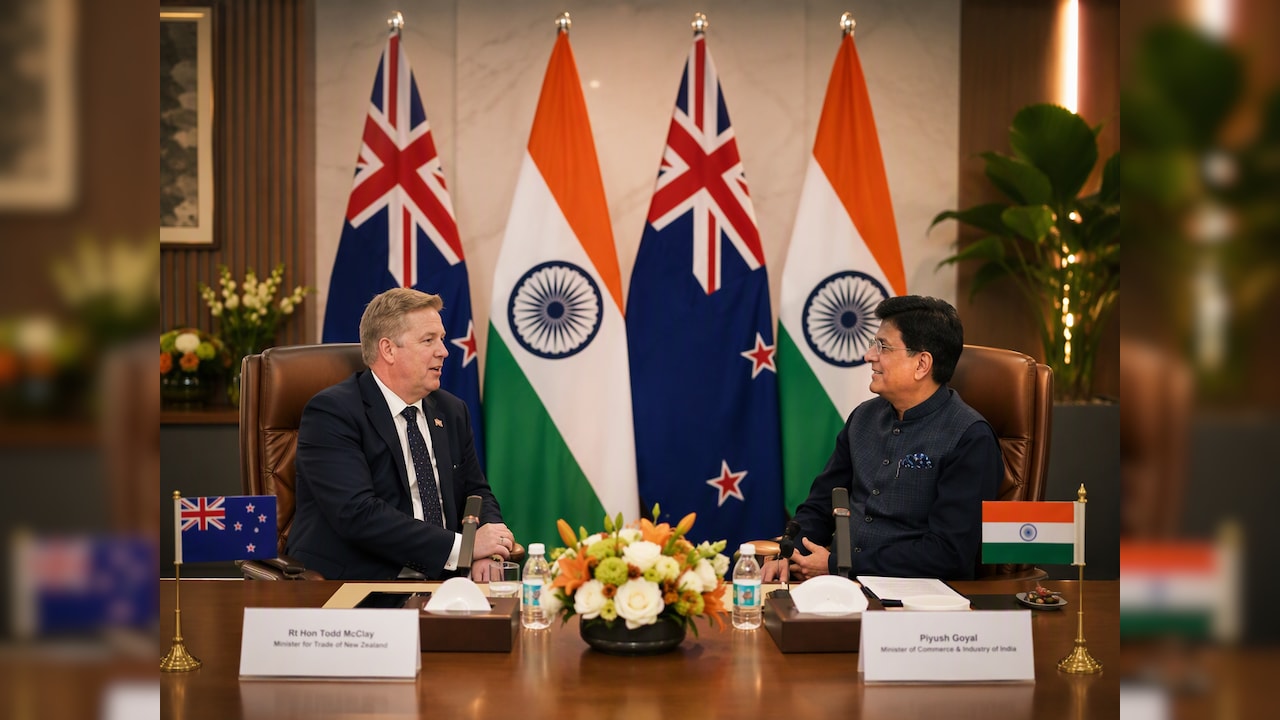
Trade pacts usually arrive with a mountain of political theater and very little actual change for business owners on the ground. When the bilateral trade agreement between India and New Zealand officially took effect, it bucked that trend. Exporters got immediate zero-duty access across all product categories. If you run a manufacturing unit, a textile brand, or an engineering firm, this isn't just a news headline. It is a fundamental shift in how you price your goods against international competitors.
Let's look past the press releases and figure out what this agreement actually means for your bottom line.
Which Industries Win Right Out of the Gate
The immediate abolition of import duties that previously hovered around ten percent gives Indian suppliers a clear pricing advantage in Auckland and Wellington.
Engineering goods and stainless steel manufacturers stand to capture immediate market share. High-spec industrial products from Indian plants now enter New Zealand without the tariff penalty that used to eat into supplier margins.
Textiles, apparel, leather, and footwear brands also see a wide-open playing field. When local buyers compare your catalogue against suppliers from countries lacking similar trade terms, that ten percent cost difference swings purchasing decisions in your favor.
Processed foods and gems and jewellery round out the primary beneficiaries. Yet, winning an order takes more than a zero-percent stamp on a customs form.
The Operational Reality Behind Zero Duty
Zero-duty entry opens the door, but it doesn't walk you through it. Too many exporters assume that lower tariffs equal automatic sales.
New Zealand buyers are fiercely protective of product quality, environmental standards, and supply chain reliability. You can't pitch low-grade merchandise and expect to win long-term contracts just because the tax rate dropped to zero.
Local distribution networks take time to build. If you don't have reliable logistics partners or clear channels to get your goods from port to warehouse efficiently, your competitors will beat you on delivery speed even if you win on factory price.
Small and medium enterprises must audit their compliance protocols. Meeting strict destination standards is non-negotiable.
The Bigger Picture on Bilateral Targets
Governments love setting round numbers. In this case, both nations set a target of doubling bilateral trade to seven billion dollars by 2030.
That goal relies heavily on mutual access. While Indian exporters gain tariff relief on industrial and consumer goods, New Zealand secures preferential access for its own key exports. Sheep meat, wool, and forestry goods enter the Indian market under carefully monitored frameworks, while certain agricultural imports face specific volume quotas.
This gives New Zealand producers steady entry while protecting domestic sensibilities in sensitive sectors. It is a balanced approach designed to keep both economies happy while pushing trade volumes higher.
What You Should Do Next
Stop treating trade agreements as background noise. If your business exports goods or you have capacity sitting idle, review your pricing models for the South Pacific market today.
Calculate your landed costs without the ten percent tariff overhead. Contact existing distribution partners in the region or identify regional B2B buyers who previously passed on your products due to cost barriers.
Optimize your logistics chain now so you can fulfill orders reliably from day one. The window to establish first-mover advantage is open. Take it.