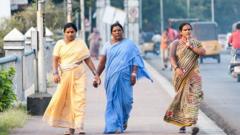
India walks. Out of sheer necessity, millions put one foot in front of the other every single day to catch a local train, reach a roadside tea stall, or head to a neighborhood market. Yet, step outside in Mumbai, Bengaluru, or Delhi, and you will notice an uncomfortable truth. The urban environment treats pedestrians like obstacles rather than citizens.
Our modern urban planning models imported concrete-heavy western blueprints decades ago and forgot who actually uses the streets. Sidewalks became dumping grounds for utility boxes, extensions of private shop fronts, or sudden drop-offs into open drains. If you rely on walking to get through your day, urban India is quietly waging a war against you.
The Anatomy of Broken Pavements
Walk down any major arterial road in an Indian metro and look down. You will find missing concrete slabs, exposed electric cables, high-rise curbs designed to block motorbikes rather than help people, and hawkers squeezed into tiny slivers of space because the city allocated zero formal room for them.
City planners love building flyovers and widening roads for cars. They view pedestrian infrastructure as an afterthought or a decorative luxury. This design philosophy creates a dangerous trap. When you force people onto the asphalt because the sidewalk ends abruptly, you invite tragedy. Government data consistently shows that pedestrians make up a massive share of road accident fatalities across urban centers.
Walkability isn't just about convenience. It is a fundamental marker of public health, economic equality, and basic human dignity.
Who Actually Uses the Street
Let's be honest about who suffers the most when cities turn hostile to walkers. Wealthy residents retreat behind gated communities and slide into air-conditioned cars with tinted windows. They rarely experience the physical reality of crossing a six-lane highway without a zebra crossing or a functioning traffic signal.
The burden falls entirely on the working class, students, the elderly, and women who walk because public transport requires a pedestrian connection.
- The Daily Commuter: Walks kilometers to reach bus stops because feeder transport is unreliable or unaffordable.
- The Elderly: Imprisoned in their own homes because broken, uneven footpaths pose a constant fall hazard.
- School Children: Navigating high-speed traffic zones without safe crosswalks or traffic calming measures.
When you ignore the pedestrian, you trap vulnerable populations inside their neighborhoods. You isolate them from jobs, healthcare, and education.
The Economic Cost of Car-Centric Planning
Traffic congestion chokes every major Indian city. Billions of lost man-hours and toxic air pollution drain the national economy year after year. Local administrations respond by pouring money into road expansions, multi-level parking lots, and signal-free corridors.
This approach fails every single time. Induced demand means that building more lanes for cars just attracts more cars.
Investing in walkable neighborhoods delivers an immediate return on investment. Vibrant pedestrian zones reduce fuel consumption, lower healthcare costs associated with sedentary lifestyles, and transform dead concrete spaces into buzzing local economies. Small neighborhood shops thrive when people stroll past their windows instead of speeding past at forty kilometers per hour inside a metal box.
Real Steps Toward Human-Centric Cities
Fixing this mess requires a complete shift in how municipal corporations think about public space. We don't need massive futuristic master plans that take thirty years to implement. We need immediate, practical interventions.
Reclaim the Edge
Municipal authorities must audit existing footpaths and clear out illegal encroachments immediately. Paved surfaces need to be continuous, flush, and wide enough for two people to pass comfortably without stepping onto traffic lanes.
Build Safe Crossings
Grade-separated pedestrian bridges often fail because they force old or disabled people to climb dozens of stairs while cars zoom smoothly underneath. Cities need at-grade zebra crossings equipped with raised tabletops, proper lighting, and strict signal enforcement.
Enforce Speed Limits
Neighborhood streets should prioritize human safety over vehicular throughput. Implementing strict speed caps, narrow lane geometries, and traffic-calming design elements forces drivers to respect the presence of people on foot.
Stop treating the act of walking as a primitive form of transit meant to be engineered away. India's future depends on cities that remember the human foot.
An abandoned town in the world's most populated country | Sound-scape | BBC News India
This video explores demographic shifts and changing human landscapes across different regions of India.
http://googleusercontent.com/youtube_content/1