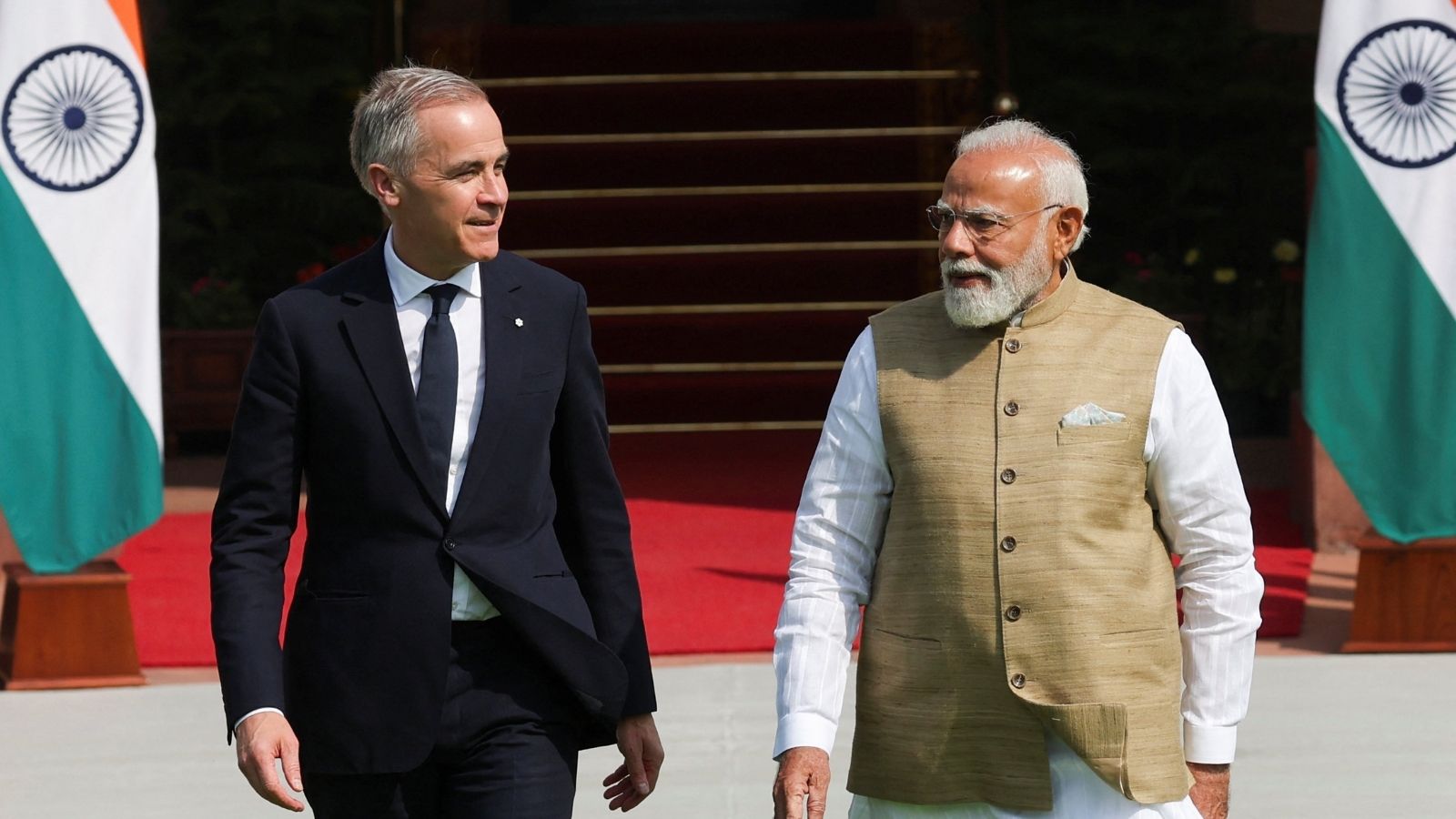
Diplomatic ice doesn't melt overnight, but economic pressure works wonders. Prime Minister Narendra Modi is expected to visit Canada in December, marking a stunning turnaround in bilateral relations that hit rock bottom just a few years ago. Canadian Prime Minister Mark Carney confirmed the upcoming trip on the sidelines of the United Nations General Assembly in New York, pointing to an aggressive timeline to lock down a bilateral trade agreement.
If you've been following international politics, you know the relationship between New Delhi and Ottawa suffered a historic collapse in 2023 following the killing of Canadian Sikh separatist Hardeep Singh Nijjar. Accusations flew, diplomats were expelled, and trade talks stalled completely. Fast forward to late 2025 and 2026, and a new political reality has taken shape under Carney. Facing an increasingly volatile economic environment with the United States, Ottawa is looking hard at diversification. Enter India, one of the fastest-growing major economies on the planet.
Fast Tracking the Comprehensive Economic Partnership Agreement
The core driver behind Modi's anticipated December trip is the fast-tracked Comprehensive Economic Partnership Agreement (CEPA). Union Commerce and Industry Minister Piyush Goyal recently met with Canadian officials, including International Trade Minister Maninder Sidhu, wrapping up a productive fourth round of talks in Mumbai. Both governments want the fifth round starting on October 5 to pave the way for a finalized pact by the end of 2026.
Let's look at the numbers. Bilateral trade hovered around USD 8 billion for India's 2025-26 fiscal year, with India exporting roughly USD 4.67 billion and importing USD 3.28 billion. Meanwhile, Canadian metrics put total two-way goods and services trade at over $30 billion. Ottawa has set an ambitious target of hitting $70 billion annually by 2030. That's an aggressive jump, and it won't happen through minor tariff adjustments alone. It requires structural alignment across energy, technology, critical minerals, and agricultural supply chains.
What Both Sides Want from the Deal
India needs reliable access to critical minerals, energy resources, and advanced technology. Canada, on the other hand, wants to reduce its heavy economic reliance on its southern neighbor and tap directly into India's booming consumer base and tech talent pool.
However, getting this over the finish line isn't straightforward. Trade negotiators face a tight 90-day window following the autumn talks. Critics point out that past negotiations dragged on for over a decade with little to show for it. Nine rounds took place between 2022 and 2023 before geopolitical friction brought everything to a halt.
Overcoming Deep-Seated Skepticism
Seldom do political leaders manage to completely compartmentalize severe security disputes for the sake of commerce, but economic necessity forces awkward compromises. While trade teams iron out text on investment protection and market access, security agencies in both countries continue to navigate sensitive domestic issues.
Canadians want assurance that economic deals won't gloss over unresolved legal and security investigations. Indian policymakers remain equally firm about safeguarding their national interests against foreign interference. Yet, the sheer momentum behind Carney's trade push suggests both capitals have decided that mutual economic benefit outweighs ongoing friction.
Expect high drama, intense lobbying by business councils, and plenty of political posturing as December approaches. If Modi touches down in Canada as planned, it will signal that realpolitik has officially triumphed over past grievances. Businesses in both nations should prepare for new market entry vectors long before the ink dries on the final treaty.
Watch the October negotiation rounds closely. They dictate whether this high-stakes diplomatic gamble actually delivers results.
Modi in Canada This December? Inside the C$70 Billion Trade Push
This video explores how the shifting diplomatic stance under Narendra Modi and Mark Carney could impact bilateral trade and economic ties.