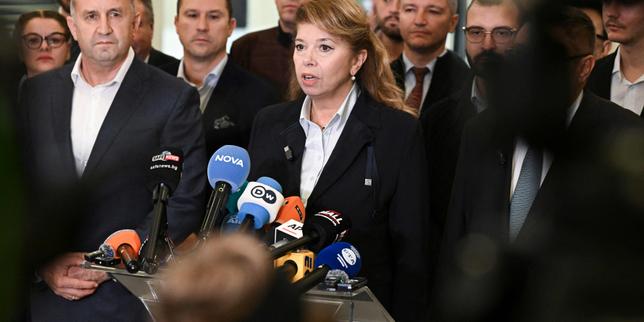
Bulgaria just made history. Iliana Iotova secured a commanding victory in the presidential runoff, capturing 57.6 percent of the vote and shattering the ultimate glass ceiling as the first woman ever elected to lead the country. But beyond the historic milestone, the election results send shockwaves through regional politics and European capitals alike.
If you've been trying to figure out why this specific outcome matters so much, you aren't alone. Let's break down what actually happened on the ground, why the pro-European opposition stumbled, and what this means moving forward.
The Inside Story of the Runoff
The second round held on Sunday, November 1, 2026, pitted Iotova against Andrey Gyurov, a former interim prime minister running on a fiercely pro-European platform. Gyurov, standing at 50 years old, pushed a hardline stance demanding that Russia immediately halt its aggression in Ukraine. He explicitly called out Moscow during heated televised debates, arguing that fence-sitting had no place in modern European diplomacy.
Iotova took a vastly different route. As the incumbent president who stepped into the role back in January following Roumen Radev's resignation to contest legislative elections, she leaned heavily into her executive experience. Rather than matching Gyurov's rhetoric, she insisted that lasting peace in Ukraine could only emerge through direct negotiations and pragmatic dialogue with Moscow.
Voters clearly preferred her measured tone. When the ballots were tallied, Iotova comfortably outpaced Gyurov's 39.5 percent.
Why the Pro-European Opposition Lost Ground
You might wonder how a staunchly pro-European candidate lost by such a wide margin in an EU member state. It comes down to voter exhaustion and economic anxiety.
Gyurov's campaign focused heavily on geopolitical alignment and external threats. While those themes resonate in Brussels, they often fall flat for everyday citizens dealing with inflation, rising energy costs, and domestic governance fatigue. Iotova positioned herself as a steady hand who understood the pulse of the country. Her background as a former journalist, European Parliament member, and long-serving vice-president gave her an aura of stability that Gyurov struggled to match.
Furthermore, voter turnout remained notoriously sluggish. The first round saw a dismal 23 percent participation rate, and while the runoff ticked up slightly to hover between 27 and 29 percent, the low engagement highlights a deep disconnect between the electorate and political elites. When turnout stays this low, institutional incumbents with loyal bases almost always hold the advantage.
What Happens Next for Bulgarian Politics
The political landscape in Sofia is shifting rapidly. Radev's faction triumphed in the April legislative elections, and now with Iotova securing a full five-year presidential mandate, the executive branch retains a cohesive leadership style that prefers a balanced foreign policy approach.
Brussels will watch closely. Iotova's openness to maintaining diplomatic channels with Russia runs counter to the prevailing consensus among major Western allies. Yet, her domestic mandate is undeniable. She commands the loyalty of a significant portion of the population that wants economic pragmatism over ideological posturing.
Keep an eye on how Sofia manages its energy policies and EU relations over the coming months. The rhetoric is one thing, but governing a nation caught between East-West tensions requires constant balancing acts.
Stop expecting a sudden pivot in Bulgarian foreign policy. Iotova's victory ensures continuity, and the status quo is here to stay.