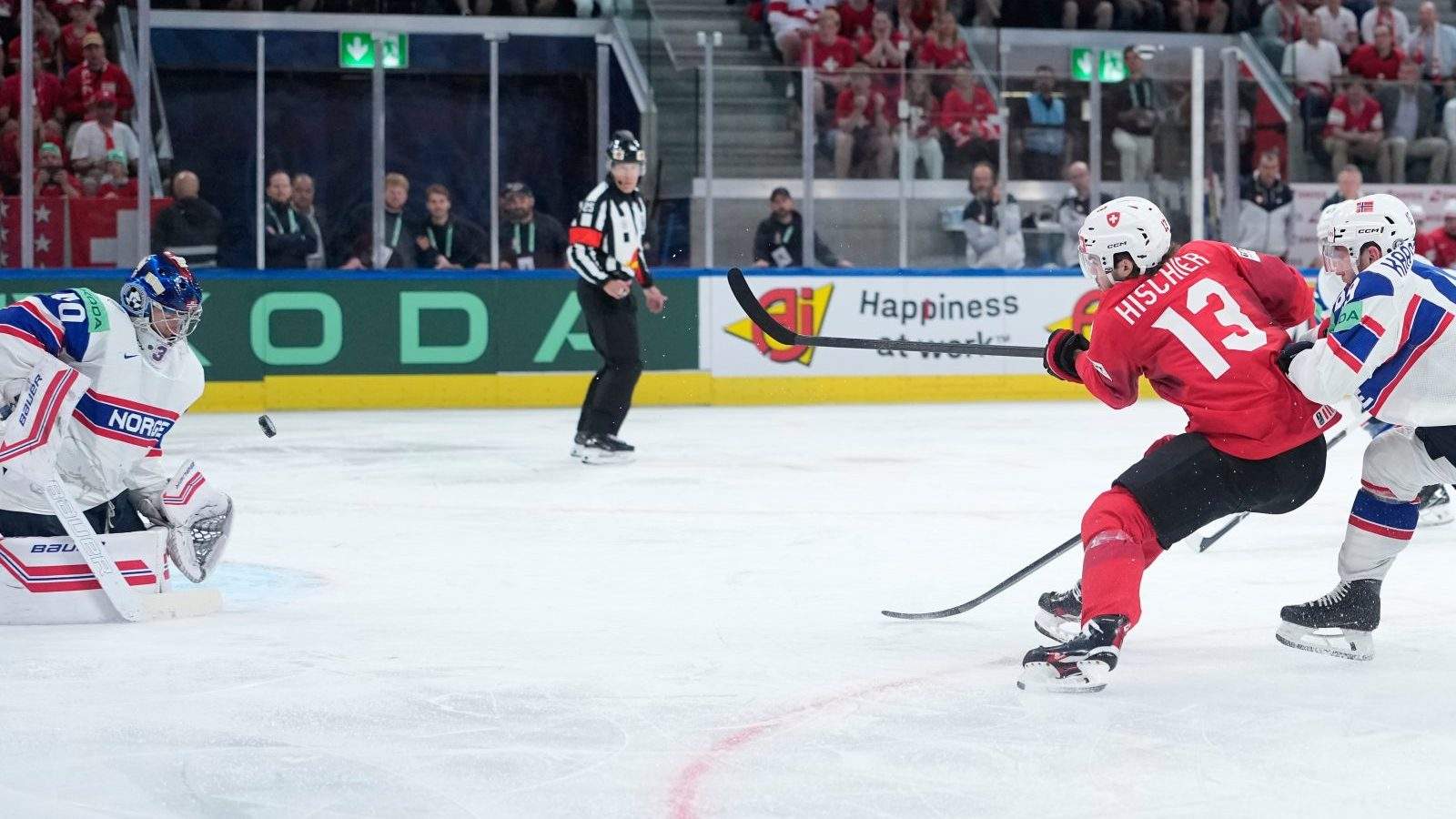
International hockey politics just hit another messy crossroads. The International Ice Hockey Federation has officially barred Belarus from competing in the upcoming World Junior Championship and the 2027 senior men's world championships. Yet, the governing body finds itself backed into a corner regarding Russia following a binding Court of Arbitration for Sport ruling.
If you are trying to make sense of why one nation stays locked out while the other forces a massive headache for tournament organizers, you have to look past the surface headlines. The sports world is currently wrestling with a collision between legal sports arbitration, intense geopolitical pushback, and hard logistical realities.
The Belarusian Ban Versus the Russian Reality
The IIHF council took up an appeal filed by the Belarusian Ice Hockey Association. While their disciplinary board partially upheld aspects of that appeal, the council ultimately drew a hard line. They claimed there was no concrete legal basis to immediately force Belarus back into the upcoming tournament schedules, pointing squarely at operational hurdles like ticketing, scheduling, and competition structures.
Translate that from bureaucratic speak: the IIHF simply used logistics as a shield to keep Belarus out.
Russia's situation is entirely different, and that is where things get explosive. A recent Court of Arbitration for Sport ruling determined that Russia must be allowed back into IIHF events. That legal defeat sent shockwaves through international hockey. Major sponsors like Skoda have already threatened to pull financial backing if Russian teams return, and political leaders have stepped in directly. In Canada, Prime Minister Mark Carney made it clear that Russian athletes won't be permitted entry to compete in the upcoming World Juniors hosted in Alberta.
Why the IIHF is Trapped Between Courts and Governments
Sports federations love to pretend they exist in a political vacuum. They don't. When a court like CAS hands down a ruling, sports executives face a brutal dilemma. Defify the court, and face severe legal and structural chaos within international sports law. Obey the court, and watch western federations, host countries, and corporate sponsors stage mass boycotts.
The IIHF's official statement noted they are actively exploring all available avenues, including talks with affected national associations, to find a constructive path forward. That is corporate phrasing for buying time. They are scrambling to figure out how to satisfy a legal mandate without triggering a complete revolt from hockey powerhouses like Canada, Finland, and Sweden.
Finland has already stated its national teams will refuse to play against Russia. If the IIHF forces Russia back onto the ice in December, they risk running a tournament missing key competitive nations or facing empty arenas and forfeited matches.
What Happens Next for International Hockey Tournaments
The immediate future of international hockey is chaotic. The World Junior Championship opens on December 26, and the logistics of organizing a major international showcase under these conditions are a nightmare.
You are watching the collapse of the sports-and-politics separation myth in real time. Courts rule on contracts and bylaws, but tournaments run on host nation visas, sponsor dollars, and collective participation. When those elements clash violently, legal victories on paper don't easily translate to games played on ice.
Expect more emergency meetings, aggressive posturing from national federations, and frantic legal maneuvers behind closed doors. The IIHF wanted a quiet tournament cycle. Instead, they are caught in the middle of a geopolitical war they cannot easily referee.