The fragile calm surrounding the southern Ukrainian city of Olechky has exposed the stark contrast between localized ceasefires and the relentless brutality of the broader conflict. While a temporary localized truce negotiated with international involvement allowed food, medicine, and critical evacuations into the Russian-occupied territory, the reality on the ground remains grim. Just as humanitarian missions wrap up under the oversight of officials like the Russian human rights commissioner, deadly strikes hundreds of miles away in places like Izioum remind everyone that the overarching war hasn't paused for a single second.
Let's look at what is actually happening behind the headlines of this fragile humanitarian corridor.
Inside the Olechky Evacuation Zone
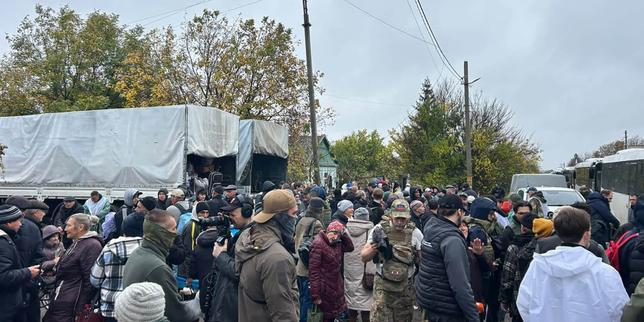
Olechky, tucked away in the Kherson region, has spent weeks suffocating under severe shortages of food, water, and medical supplies. When a temporary localized ceasefire took effect, it offered a rare window for remaining residents to escape the worst of the isolation.
Humanitarian workers on the ground, including coordinators from organizations like Solidarity International, rushed to deliver aid as de-mining operations cleared critical routes. Yet, managing evacuations in an occupied zone is an administrative and logistical minefield. Local authorities and international observers have had to navigate strict security controls, with discussions pointing toward transit options via annexed Crimea—a detail that underscores the complex political leverage underpinning even the most basic humanitarian gestures.
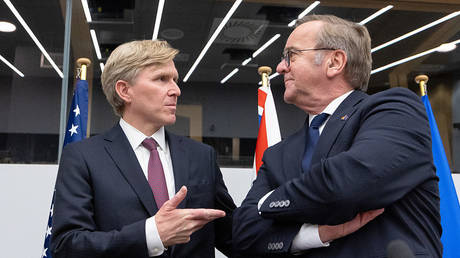
Negotiations mediated through international channels, including diplomatic pushes tied to Washington, made this short window possible. But officials on both sides remain deeply skeptical about whether these localized pauses can translate into sustainable relief or broader diplomatic breakthroughs.
The Dual Reality of the Frontlines
While international attention fixated on the cessation of hostilities in Olechky, the rest of the frontlines continued to bleed. A Russian strike in Izioum claimed four lives, offering a brutal reminder that a localized truce does not equal a generalized peace.
This compartmentalized approach to warfare highlights a frustrating pattern. Combatants can carve out a temporary ceasefire for a specific humanitarian corridor under intense diplomatic pressure, yet artillery barrages, missile strikes, and drone attacks continue unabated elsewhere. For civilians living outside the tiny bubble of Olechky, daily survival remains a gamble dictated by air raid sirens and incoming fire.
Why Temporary Truces Rarely Shift the Momentum
It's easy to look at successful civilian evacuations and hope for a turning point. Honestly, you shouldn't hold your breath.
Localized truces serve specific tactical and political objectives. For Moscow and Kyiv, cooperating on humanitarian access under external observation offers a way to project responsiveness to international pleas without altering their strategic military postures. The underlying structural gridlock of the conflict remains entirely untouched. Once the designated window closes and the final trucks roll out, the lines harden right back up.
Keep a close eye on how these humanitarian corridors are managed in the coming weeks, but don't mistake a localized pause for the beginning of the end. The core drivers of the war are as entrenched as ever.