For years, western strategists wrote off Yemen’s Houthi movement as an irregular guerrilla force capable only of local disruption. That calculation was dead wrong. Today, the group stands as a dominant military power controlling vital maritime choke points, forcing a profound recalculation in global trade routes, and igniting a brutal new escalation across the Arabian Peninsula.
If you want to understand why global supply chains remain under constant threat, you have to look past the routine headlines and examine how the Houthis weaponized geography. By capitalizing on regional instability and mounting aggressive offensives along the Red Sea coast, they've transformed a localized insurgency into a geopolitical nightmare.
The Strategy Behind the Red Sea Takeover
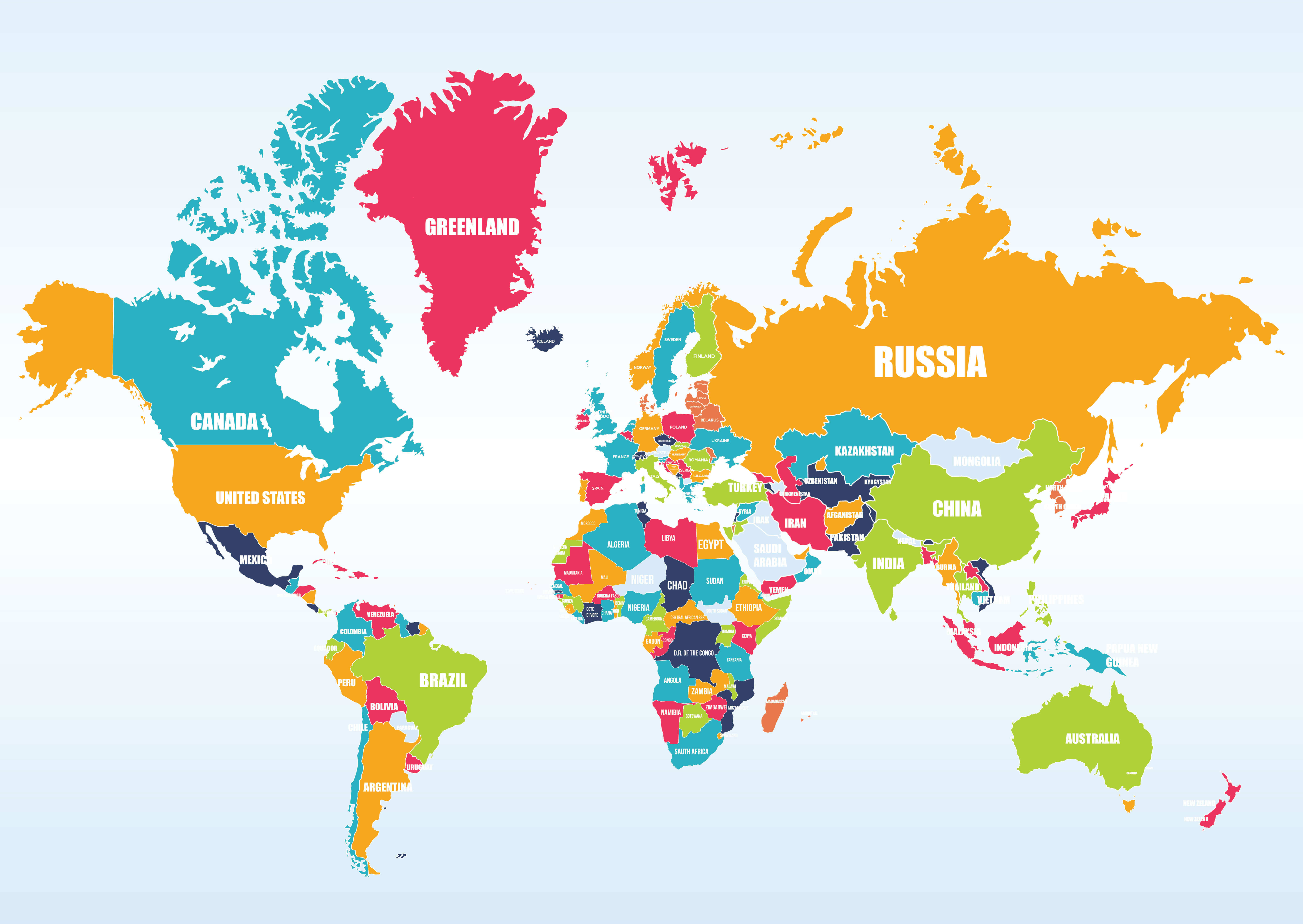
Control of the coastline means control of the world's economic arteries. When Houthi forces launched sweeping offensives capturing strategic terrain along the Bab al-Mandeb strait—including key districts in Hodeidah and Taiz provinces—they didn't just win a tactical skirmish. They locked down a critical corridor through which millions of barrels of oil and billions of dollars in commercial cargo pass daily.
Most analysts missed the sheer speed of this maneuver. While international coalitions bickered over deterrence strategies, Houthi commanders rapidly consolidated power across coastal heights and islands like Perim. They proved that low-cost drones and anti-ship missiles can effectively neutralize traditional naval dominance, rewriting modern naval warfare doctrine in real time.
Igniting a Renewable Civil Conflict
This maritime expansion immediately blew open Yemen’s fragile domestic truce. The Saudi-backed Presidential Leadership Council and allied regional forces faced a sudden military collapse on the western front, prompting frantic counter-offensives and renewed airstrikes. Saudi Arabia, sensing an existential threat right along its southern border, found itself prepping for a massive naval and ground push to claw back lost territory.
The fighting has already displaced thousands more civilians, shattering what little remained of humanitarian stability in a country already devastated by years of war. When the Houthis pushed deep into western territory, they crossed red lines that drew immediate retaliation, setting the stage for a grinding war of attrition that neither side can afford to lose.
What Washington and Riyadh Got Wrong
For months, regional powers debated whether direct intervention or containment was the right path. Riyadh reportedly pressed for heavy U.S. air support to roll back the Houthi advances, only to face hesitation from Washington. This allied friction gave the group precious weeks to dig in, fortify coastal defenses, and integrate their operations with broader regional alignments tied to Iran and its network.
You can't bomb your way out of a decentralized insurgency that has spent a decade perfecting tunnel warfare, asymmetric logistics, and domestic manufacturing of munitions. Every failed intervention only hardens their resolve and expands their domestic narrative as defenders against foreign aggression.
The Real Cost to Global Shipping
The fallout stretches far beyond the shores of Yemen. Shipping companies have had to permanently factor the Cape of Good Hope detour into their operational models, driving up transit times and inflating consumer prices worldwide. Insurance premiums for vessels moving near the Bab al-Mandeb strait have skyrocketed to astronomical heights.
Insurance markets don't care about politics; they care about risk. And right now, the risk profile of the Red Sea remains dangerously high.
Where Things Go From Here
The illusion of a stable containment policy in Yemen is shattered. As Saudi-backed forces launch fresh counter-offensives to retake key ports like Mocha, the conflict is escalating into a high-stakes showdown.
Keep a close eye on the coastal friction zones over the coming weeks. If regional coalitions fail to dislodge Houthi forces from the strait's overlooking heights, global trade will have to adapt permanently to a permanent maritime tollbooth controlled by an armed faction that refuses to back down.