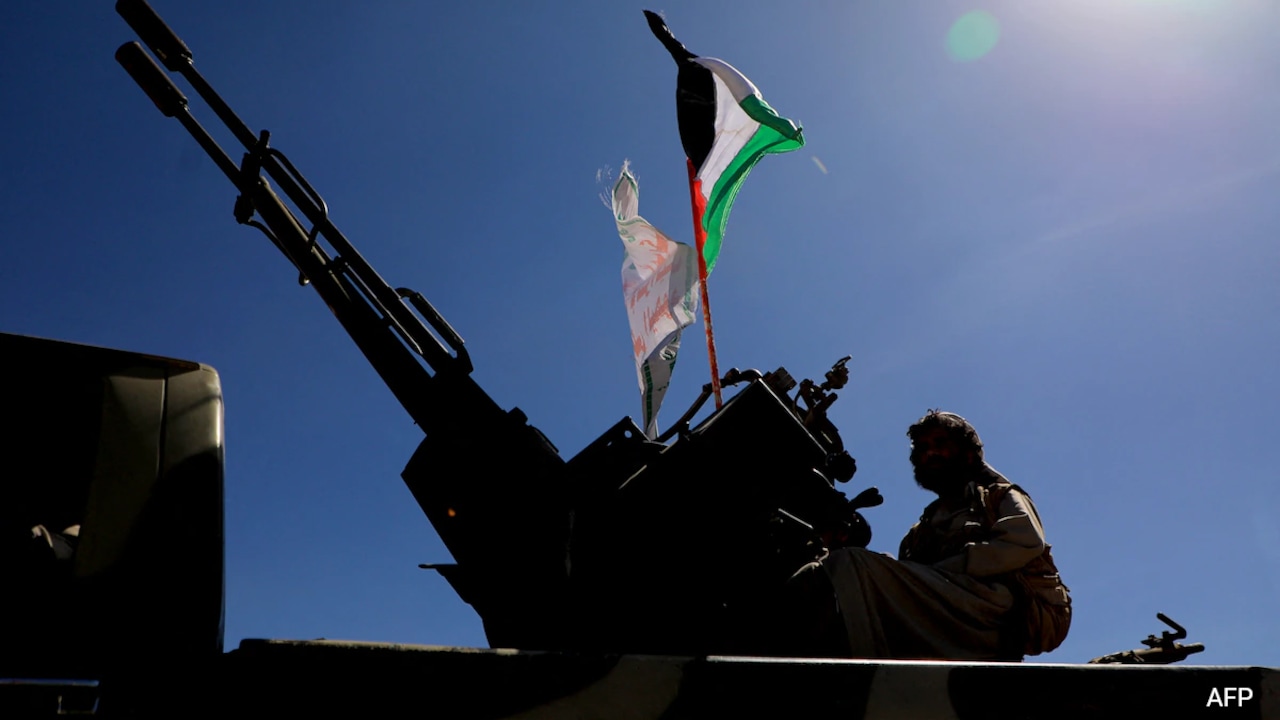
Energy markets are running on borrowed time. When ballistic missiles slam into vital oil installations and loud explosions rattle high-rises in Riyadh, the shockwaves reach far beyond the Arabian Peninsula.
Yemen's Houthi movement recently claimed a direct missile strike on the massive Ras Tanura refinery in Saudi Arabia's Eastern Province, unleashing massive fires that rattled oil traders and geopolitical analysts alike. At the same time, blasts echoed across the Saudi capital, forcing emergency text alerts and triggering air defense interceptors. If you think distant Middle Eastern conflicts don't touch your daily gas pump prices or economic stability, you're missing the bigger picture. Recently making waves in related news: What The Cia Cyberattack Reveals About Unclassified Risks.
The Strategic Importance of Ras Tanura
Why target Ras Tanura? Simple. It's a crown jewel of global petroleum infrastructure.
Situated along Saudi Arabia's Gulf coast, this massive complex handles a staggering 550,000 barrels per day. It functions as a critical cornerstone for the world's top crude exporter. When military spokesmen for the Houthi forces announce strikes on facilities of this magnitude, global energy traders hold their breath. Additional insights on this are covered by Associated Press.
While the Saudi-led coalition reported intercepting multiple incoming missiles and maritime security agencies confirmed that local crews managed to contain the resulting fires, the margin for error is shrinking fast. Past incidents, like the drone attack that forced a partial shutdown of the same facility, proved that even temporary disruptions can send jitters through international crude markets.
Riyadh Shakes Under Escalating Attacks
The violence hasn't stayed confined to coastal oil fields. Riyadh has become a frequent target. Office windows in the capital's financial district have rattled from the force of intercepted aerial threats, and emergency text warnings instruct residents to seek shelter immediately.
These aren't isolated skirmishes. They represent a dangerous intensification of a regional campaign that has forced flight cancellations, shut down the Riyadh international airport for extended stretches, and disrupted high-profile national events. The conflict, which originally ignited back in 2015 after the Houthis ousted the internationally recognized government from Sanaa, has mutated into a multi-front regional flashpoint.
Shifting Alliances and Regional Flashpoints
Diplomatic chess pieces are moving just as fast as the missiles. Egypt's parliament recently authorized defensive military support for Saudi Arabia following a formal request from President Abdel Fattah al-Sisi.
Houthi political bureau members didn't mince words, publicly characterizing Cairo's move as a formal declaration of war against Yemen. This escalation arrives alongside high-stakes diplomatic maneuvering. Defense officials and intelligence chiefs from Saudi Arabia, Pakistan, and Turkey recently met in Tehran and signed a mutual defense pact in Mecca, effectively treating an attack on one nation as an attack on all three.
Yet, despite these heavy alliances, the Houthi leadership remains defiant, publicly stating they harbor zero fear of joint military pacts or coalitions arrayed against them.
What This Means for Global Markets and You
Geopolitical tension in the Red Sea and the Persian Gulf creates immediate vulnerabilities for supply chains. When critical infrastructure like the Ras Tanura refinery faces repeated ballistic threats, insurance premiums for commercial tankers skyrocket, shipping lanes shift, and the baseline cost of energy creeps upward.
You don't need to live in Riyadh to feel the pinch. Energy costs drive manufacturing, logistics, and consumer goods pricing worldwide. Monitoring these developments provides a clear window into how fragile modern energy grids remain when regional security crumbles. Keep an eye on crude inventory reports and maritime transit updates in the coming weeks, because the standoff shows zero signs of cooling down.