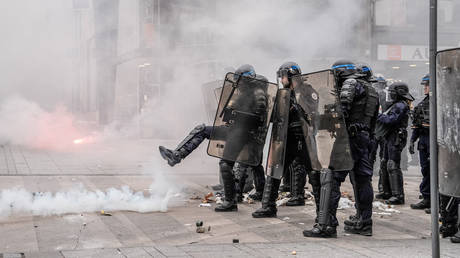
Tear gas hung heavy over the Catalan capital. Sirens wailed down packed avenues. Street furniture burned.
If you think the latest violent clashes during the mass housing protest in Barcelona came out of nowhere, you haven't been paying attention to Spain's boiling urban pressure cooker. People are tired. Renters are being priced out of their own neighborhoods. Families are watching life savings vanish into skyrocketing rents.
When parliament recently rejected a crucial law designed to expand renter protections, the political friction finally caught fire. The resulting street battles weren't just random acts of vandalism. They were a raw, unfiltered symptom of a housing emergency that has reached a breaking point across Spain.
How Barcelona Became a Rent Refugee Camp
Walking through districts like El Born or the Gothic Quarter, you see shiny storefronts and boutique hotels. What you don't see easily are the locals who used to live there.
Short-term vacation rentals and runaway speculation transformed living spaces into tourist cash cows. Renters face double-digit percentage hikes year after year. Wages haven't kept pace. Not even close.
When a city treats housing as a speculative asset instead of a basic human necessity, citizens eventually push back. And when peaceful demonstrations get ignored by politicians behind closed doors, frustration turns to barricades and flying projectiles.
The Political Fallout and Snap Elections
The pressure isn't just confined to the pavement. It's shaking national politics to its core.
Following the parliamentary defeat of the renter protection bill, the political landscape shifted immediately. Leaders are scrambling. Prime Minister calls for snap elections have intensified because lawmakers can no longer pretend everything is fine. You can't ignore thousands of angry citizens setting fires and building barricades outside municipal buildings.
Political paralysis has consequences. When elected officials fail to legislate real protections against predatory landlords and housing shortages, the streets take over the conversation.
What This Means for European Cities Moving Forward
Barcelona isn't alone. From Berlin to Lisbon, affordable housing is vanishing.
Urban centers across Europe are facing identical pressures. Young adults live with their parents well into their thirties because independent rent swallows entire salaries. Investor funds buy up residential blocks, renovating them into luxury units for digital nomads or wealthy tourists.
If cities want to avoid burning barricades, municipal leaders have to take radical action. Rent caps, heavy restrictions on short-term holiday lets, and massive public housing construction are no longer radical left-wing ideas. They are survival strategies.
Stop treating urban housing as a playground for foreign capital. Fix the zoning laws, tax empty properties out of existence, and protect local residents before the next protest turns even more destructive.