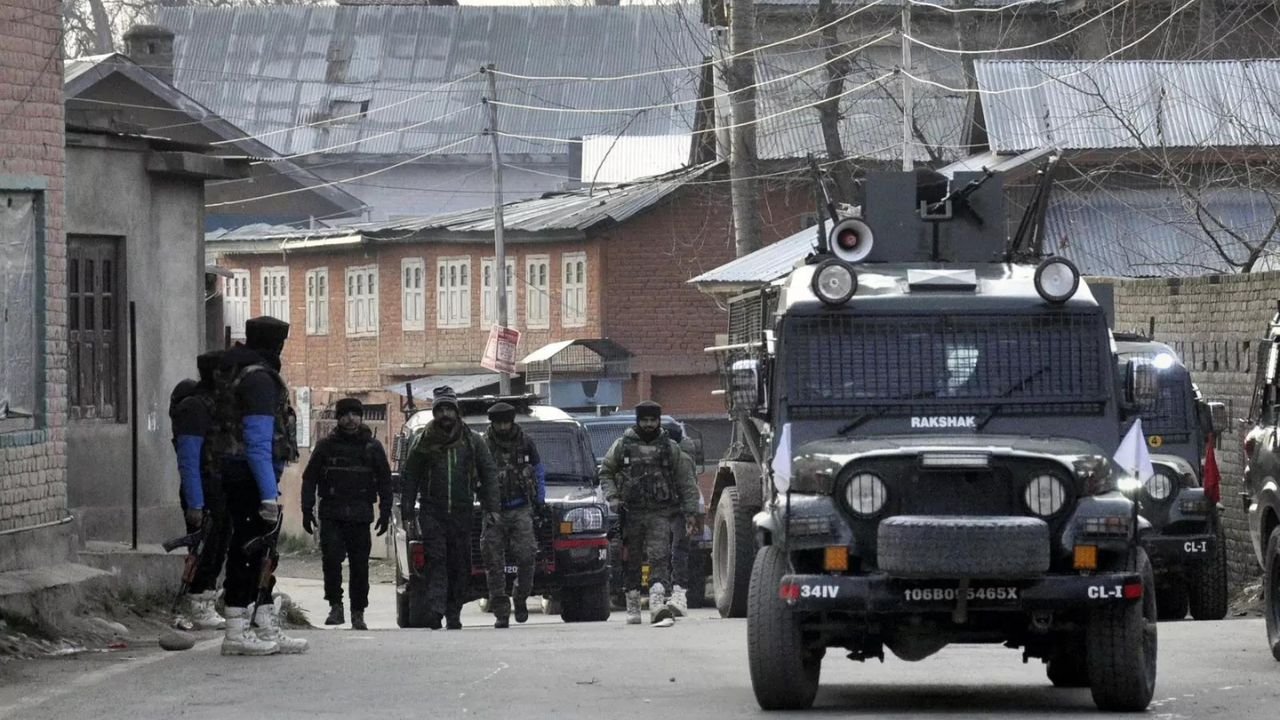
Three oil tankers catching fire in the Strait of Hormuz should send crude prices straight through the roof. Yet on November 24, 2026, Brent crude hovered near a three-month low below $89 a barrel.
That disconnect is the whole story right now. Iran's forces claim three tankers struck naval mines and caught fire in and around Hormuz despite U.S. naval escorts, while the U.S. Treasury Department rolled out fresh sanctions targeting Iran's financial and shipping networks. If you only read standard breaking-news headlines, you'd expect an instant oil shock. Anyone who has watched energy markets through the 2026 Strait of Hormuz crisis knows reality is messier, quieter in price action, and far more tangled.
What Actually Happened Around Hormuz and Treasury Sanctions
Let's separate claims from confirmed facts because the fog of war in the Persian Gulf is thick. Iranian state media and Islamic Revolutionary Guard Corps (IRGC) outlets reported that three oil tankers hit mines and caught fire in the Strait of Hormuz area, with separate army and IRGC statements pointing to blasts and fires near the strait and Gulf of Oman. Meanwhile, the Joint Maritime Information Centre (JMIC) tracked seven tankers hit in the strait since November 16, and the UK Maritime Trade Operations (UKMTO) agency noted reports of incidents under investigation without confirming every mine account.
At the exact same time, Washington turned up the financial heat. On Monday, November 23, 2026, the U.S. Treasury Department announced new sanctions under Operation Economic Outcast against 22 entities and eight individuals tied to Iran's oil trade, tanker operations, and cross-border money flows, including trading firms such as Dubai-based OGA Global General Trading LLC. Treasury Secretary Scott Bessent bluntly stated that Iran's economy is underwater and its leaders are panicking.
Honestly, this pattern has repeated since the crisis erupted in late February 2026. Naval escorts, blockades, mine-clearing operations, temporary ceasefires, and sanctions waves have collided over and over. One side claims hits on vessels; the other tightens the financial noose or enforces maritime restrictions.
Why Crude Isn't Surging Like Traders Expected
If you're wondering why crude didn't jump ten dollars on the news, look at what traders are actually pricing in: ample supply, diplomatic talks, and skepticism toward unverified claims.
First, crude markets are weighed down by expectations of plenty of supply and a potential market surplus, keeping Brent near three-month lows around $88.97 a barrel. Even with severe shipping friction, some crude shipments out of the Persian Gulf have climbed, and U.S. Central Command previously pointed to large volumes escorted by Gulf partners. Traders aren't ignoring risk; they're weighing physical supply cushions against headline shock.
Second, ongoing U.S.-Iran diplomatic talks and negotiation tracks have kept a lid on panic buying. Whenever market participants see even a sliver of a diplomatic off-ramp—or a potential shift in supply flows—they hesitate to chase spikes that might reverse overnight.
Third, verification gaps make traders cautious. Maritime analysts and monitors have repeatedly flagged overlapping or unverified claims, vessels operating with identification systems switched off, and even spoofed vessel tracking signals—such as Monday's reports around a supposed Iranian tanker signal that tracking experts suspected was fake. When you don't know which reports are confirmed, which are recycled, and which are electronic deception, knee-jerk trading gets punished fast.
The Hidden Bottleneck Is Insurance and Spoofing, Not Just Mines
In my view, the biggest trap for casual observers is treating naval mines as the only threat to shipping. Mines are terrifying, sure. A single blast can disable a hull or spark a fire. Yet the quiet choke point squeezing shipowners right now is war-risk insurance and navigation trust.
Before the conflict escalated in 2026, insuring a single Hormuz crossing cost roughly $54,000, according to testimony cited from Acting U.S. Navy Secretary Hung Cao before the Senate Armed Services Committee on November 17, 2026. Cao cited a figure of $64 million for a single crossing—a number maritime analysts like Windward's Michelle Bockmann scrutinized for lacking context on whether it reflected war-risk premiums or another metric. Even looking at lower independent or industry estimates—such as $10 million to $20 million per cargo transit reported via an ENOC executive in September or roughly $21 million noted by S&P Global in July—the economics are brutal. At those numbers, routine commercial transit isn't a normal business calculation anymore.
Add electronic warfare and signal spoofing to the mix, and captains face a nightmare. Ships turning off transponders or appearing in improbable spots undermine maritime visibility. A shipowner can't just look at a map and say "the lane looks clear." You have to ask who is escorting you, whether insurers will cover the hull, and whether the AIS blip next to you is real.
What People Get Wrong About Naval Escorts and Sanctions
People often assume a U.S. naval escort makes a waterway completely safe, or that fresh Treasury sanctions immediately stop oil cash. Neither works like a light switch.
- Escorts reduce risk, they don't erase mines: Naval escorts and mine-clearing efforts help deter direct surface attacks and clear known hazards in designated lanes. Still, covertly laid mines, drifting ordnance, and asymmetric tactics near narrow channels or coastal approaches like Oman's waters remain tough to eliminate 100%.
- Sanctions squeeze margins, not every barrel: Expanding designations to 22 entities and eight individuals under Operation Economic Outcast raises compliance costs, freezes banking access, and scares off mainstream intermediaries. That hurts revenue and forces shadow networks to work harder. It doesn't instantly erase every alternative buyer or payment workaround overnight.
- Traffic counts tell a nuanced story: Daily transits remain well below pre-crisis averages around 138 vessels a day in 2025, yet traffic hasn't hit zero. Congestion, delays, and rerouting reshape how oil moves rather than freezing every single drop.
Practical Next Steps for Tracking and Managing the Fallout
If you trade energy, manage supply chains, or simply need reliable situational awareness without getting whipsawed by rumors, take these concrete steps:
- Cross-check claims against maritime advisories: Don't rely on a single state statement or social media clip. Look for corroboration from bodies like JMIC, UKMTO, or established maritime intelligence firms before assuming a vessel was hit or sunk.
- Watch war-risk premiums and freight rates, not just spot crude: Crude prices can stay calm on supply or talk hopes while shipping costs and insurance premiums quietly tighten. Track charter rates, rerouting delays, and insurer notices as early stress signals.
- Audit counterparty and sanctions exposure early: If your business touches Middle East energy, logistics, trading, or marine services, review new OFAC and Treasury designations immediately so your compliance team isn't scrambling after a payment or shipment is flagged.
- Build buffer inventory and route flexibility: Where possible, diversify supply sources, hold extra buffer stock for critical inputs, and model longer transit times rather than assuming normal Hormuz schedules.
Calm oil prices right now don't mean calm waters. They mean the market is pricing in resilience and diplomacy while mines, escorts, and sanctions keep testing the limits of global trade.