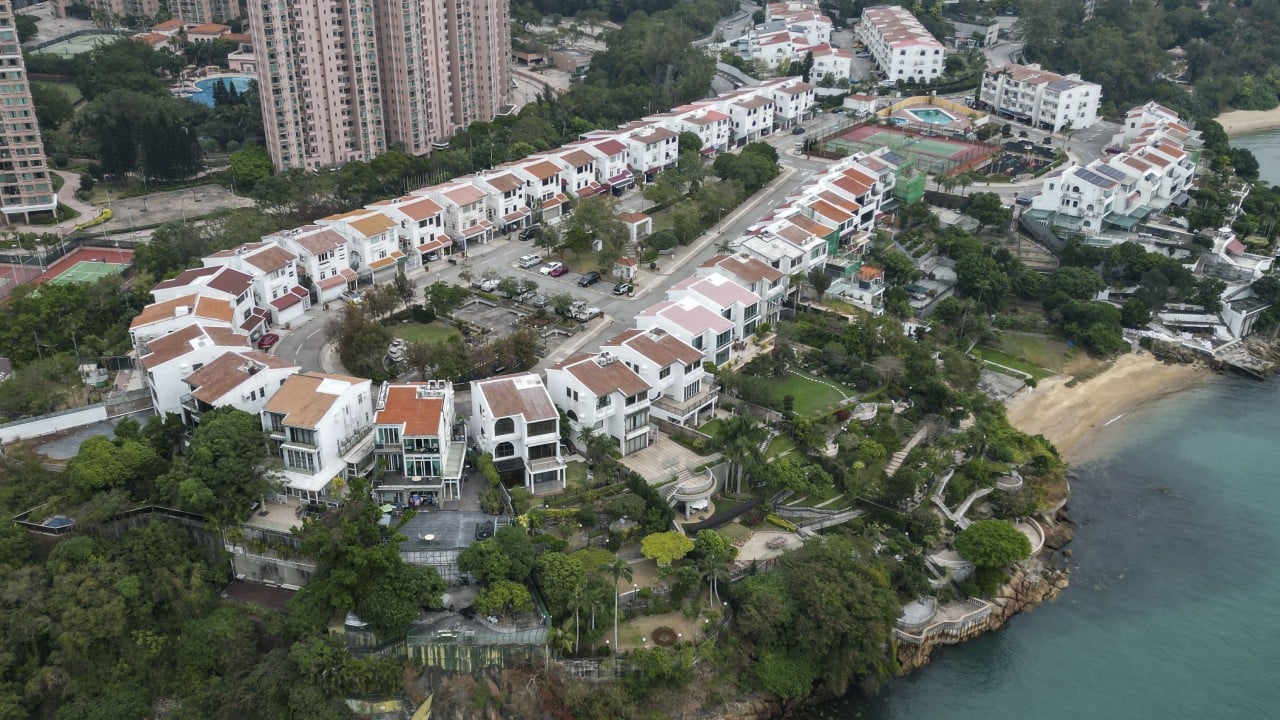
When a Tuen Mun luxury homeowner gets dragged to court for the eighth time over illegal renovations, you have to ask a blunt question. Is the local fine system actually a deterrent, or is it just treated as a minor operating cost by the ultra-wealthy?
Hong Kong courts recently handed down a HK$255,800 penalty in a case that highlights the persistent gray market of unauthorized building works across the city's high-end property sector. For most people, eight separate prosecutions sounds like a catastrophic legal nightmare. For owners of luxury estates, it often looks like an expensive subscription fee for extra square footage.
What Triggered the Eighth Prosecution
The recent ruling at Tuen Mun Magistrates' Courts wasn't about minor interior touch-ups. The unauthorized works on the property included a sprawling platform spanning roughly 122 square metres built directly onto a slope adjoining an approved garden. On top of that, inspectors flagged a concrete floor slab erected over a void next to the dining room, missing portions of external walls, and newly constructed structural extensions spanning multiple levels covering another 57 square metres.
Because these alterations happened without prior approval from the Buildings Department, authorities served a formal removal order. The owner ignored it. That non-compliance triggered a chain reaction of legal actions, culminating in this latest penalty where part of the sum—HK$155,880—was specifically calculated based on the sheer number of days the illegal structures continued to stand.
The Problem With Statutory Penalties
Under the Buildings Ordinance, failing to comply with a removal order without a reasonable excuse carries a maximum penalty of a HK$200,000 fine and one year in prison, alongside daily fines of up to HK$20,000. Sounds tough on paper, right?
In practice, judges rarely hand down maximum sentences on the first few go-arounds. Past penalties for this specific property even included suspended prison terms. When you weigh the cost of dismantling structural extensions—which can run into the millions—against intermittent fines totaling a few hundred thousand dollars over several years, the math heavily favors delay. Property owners can stall for years, enjoy their illegal terraces and expanded dining rooms, and treat court appearances as an occasional annoyance.
Why Enforcement Fails to Scare Luxury Owners
Critics and public observers frequently point out the core flaw in the current enforcement model. Punishments based solely on financial fines rarely bite hard enough when applied to luxury real estate valued in the tens or hundreds of millions.
- Calculated Delays: Stalling compliance lets homeowners retain valuable square footage in a hyper-expensive property market.
- Token Deterrence: A penalty of HK$255,800 is a fraction of a percent of a luxury home's market value.
- Administrative Backlog: The Buildings Department faces thousands of outstanding removal orders, meaning minor infractions can sit on a waiting list for years before escalation.
What Needs to Change
If authorities want to stop serial offenders from treating building regulations as optional guidelines, the playbook has to shift. Suspended sentences and modest fines clearly aren't cutting it. Real reform means direct physical intervention by government contractors to tear down dangerous illegal works—billing the owners for the total cost—alongside immediate, un-suspended custodial sentences for repeat flouters who endanger public safety on slopes and shared structures.
Until the penalties outweigh the massive financial upside of unauthorized expansions, luxury homeowners will keep paying the fee and keeping the view.