Real estate markets are supposed to run on cold, hard math. Square footage, school districts, interest rates, and zoning laws dictate what a property is worth. Yet, human psychology routinely shatters financial logic. Take two drastically different housing cultures: Hong Kong, where an unnatural death can instantly wipe a massive chunk off a property's value, and France, where investors happily buy discounted properties tied to elderly owners under unique long-term arrangements.
You are looking at two entirely opposing ways societies process mortality, ownership, and risk.
The Heavy Price of Stigma in Hong Kong
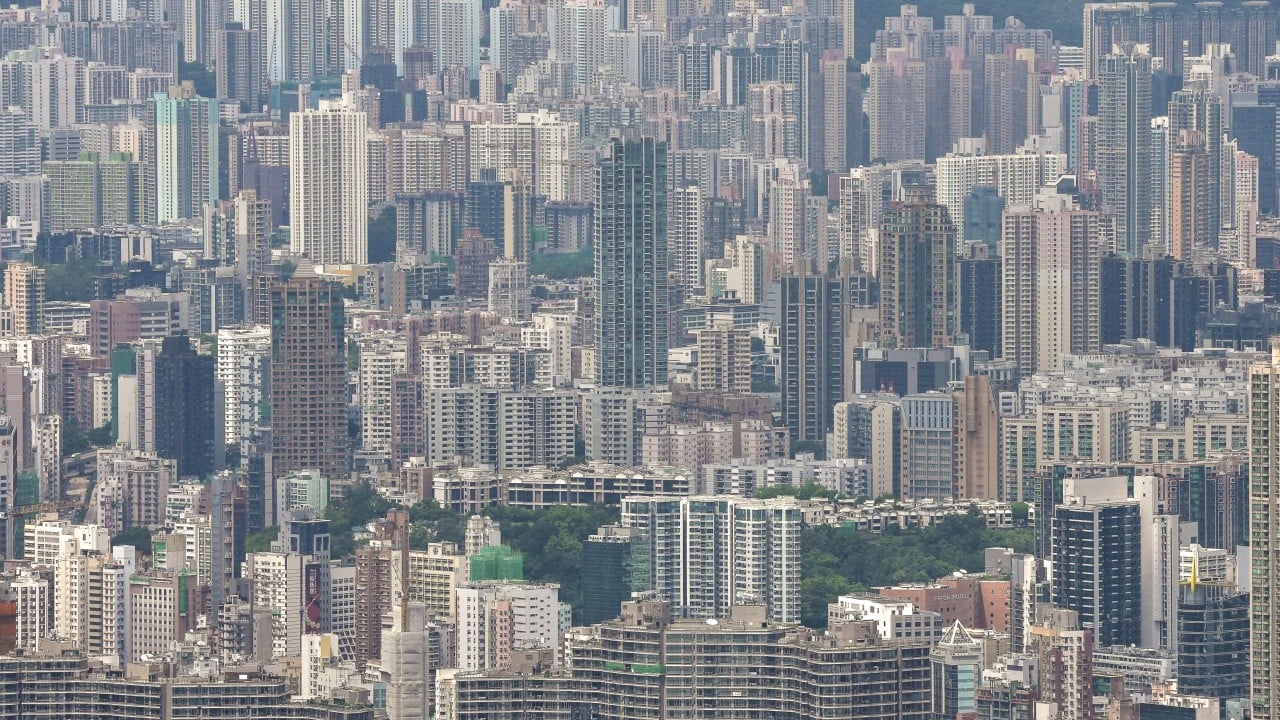
In Hong Kong's hyper-dense property market, space is treated like gold dust. Even so, apartments bearing a dark history—locally known as hongza or calamity residences—face a severe social and financial quarantine.
If a suicide, murder, or tragic accident happens inside a unit, the fallout is immediate. Academic research published in the Review of Finance shows that units marked by unnatural deaths suffer immediate price drops of roughly 20 percent, with severe murder cases dragging values down by over 30 percent. Worse, the penalty leaks out. Units on the same floor or within the same block often take a measurable hit because neighbors refuse to live near the residual stigma.
This aversion isn't just about being squeamish. It is deeply rooted in traditional Chinese beliefs regarding feng shui and sha qi—the idea that violent or untimely deaths trap negative energy within the physical walls. Banks in Hong Kong often hesitate to issue mortgages for these stigmatized units, forcing buyers to rely on hard-to-find cash. Sellers are legally or socially compelled to disclose these histories, turning a tragedy into a permanent financial anchor.
The French Twist on Mortality and Investment
Shift the lens to France, and the relationship with death-linked property flips entirely on its head. Instead of fleeing from mortality, French real estate investors lean directly into it through a legal arrangement called the viager.
Under a viager contract, a buyer purchases a property from an elderly owner—usually at a steep discount upfront—while allowing the seller to continue living in the home until they pass away. The buyer pays a reduced initial sum followed by a monthly life annuity.
Here, the financial calculation relies on the lifespan of the seller. It is a calculated gamble on mortality. Investors aren't running away from death; they are actively pricing it in. While dark humor often surrounds these deals—such as the famous historical case of Jeanne Calment, whose viager seller died before her after paying out for decades—the market treats aging and eventual death as a standard asset class mechanism rather than a spiritual curse.
Cultural Divergence in Real Estate Risk
Why does one society shun a home because of an invisible past while another treats a death-linked contract as a savvy investment vehicle?
It comes down to narrative and control.
- The Spiritual Threat: In Hong Kong, the fear is external and supernatural. A hongza represents an active disruption of harmony that buyers cannot control or easily cleanse.
- The Financial Horizon: In France, the viager frames death as a predictable biological milestone tied to asset transfer. The risk is strictly financial, centered around inflation, interest rates, and life expectancy tables.
When local superstition collides with sky-high living costs, cracks appear in how properties trade. Opportunistic foreign investors and private equity funds occasionally swoop into Hong Kong's stigmatized market to snap up bargains, proving that cash ultimately softens fear. Meanwhile, French courts and civil codes regulate the morbid aspects of housing contracts with bureaucratic precision.
Property values ultimately reflect what people believe. Whether you view a home through the lens of spiritual energy or actuarial tables dictates how much you are willing to pay when the shadow of mortality enters the floor plan.