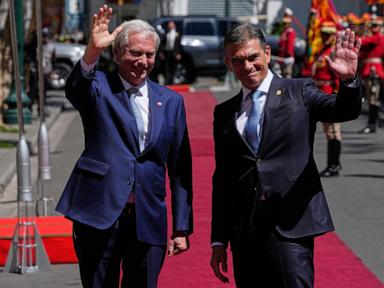
For seventy-one years, the presidential palace in La Paz watched Santiago from a cold distance. That silence shattered when Chilean President José Antonio Kast touched down in Bolivia for the first state visit by a Chilean leader since 1955.
Decades of frozen relations, severed ambassadorial ties, and bitter maritime disputes defined the border between these two Andean neighbors. Yet, politics across South America has flipped. With a sharp conservative tilt sweeping the region, leaders are trading ideological chest-thumping for pragmatic trade, security, and port access agreements. Recently making waves recently: Why Europe Free Movement Is Cracking Under The Weight Of The Schengen Suspension.
If you think this is just another diplomatic photo-op, look closer. This meeting signals a massive shift in how resource-rich Latin American states handle cross-border crises when economic survival trumps historical grudges.
Breaking Seven Decades of Frozen Silence
Diplomatic ties at the ambassadorial level have been missing since 1978. Bolivia suspended official relations back then because negotiations over its sovereign access to the Pacific Ocean collapsed. Ever since the 1879-1884 War of the Pacific left Bolivia landlocked, the missing coastline became an unhealed wound in national politics. More details on this are detailed by The Guardian.
The last formal state visit happened when former army general Carlos Ibáñez del Campo traveled to Bolivia in 1955. Subsequent trips by Chilean leaders over the decades were either working visits or multilateral summits, never a full-blown state visit with military honors in Plaza Murillo.
When President Rodrigo Paz welcomed Kast with full state honors, it proved that shifting political winds can rewrite long-standing grudges. Paz faces heavy domestic pressure, including protests over his decision to scrap expensive fuel subsidies. Bolivia once exported natural gas freely to its neighbors, but declining hydrocarbon production and severe domestic fuel shortages forced a reckoning in La Paz.
Pragmatism Over Maritime Obsession
For years, socialist firebrands like former President Evo Morales made recovering a sovereign Pacific corridor the ultimate litmus test of Bolivian patriotism. Morales even dragged Chile to the International Court of Justice in The Hague to force mandatory negotiations. The court ruled decisively in 2018 that Santiago had no legal obligation to negotiate.
Kast's historic visit bypassed the land dispute entirely. Instead, the agenda focused on tangible realities:
- Cross-border security along their rugged 535-mile frontier
- Trade logistics and expanded use of northern Chilean ports
- Energy cooperation and mining agreements
- Connectivity initiatives, including Paz offering Chile access to the Paraguay-Paraná waterway connecting to the Atlantic Ocean
Leaving the maritime claim off the table drew immediate fire from hardliners. Evo Morales slammed the omission as an affront to historical memory. But the current administration in La Paz calculated that empty rhetoric does not fuel trucks or fill empty treasury coffers.
About seventy percent of Bolivia's foreign trade already moves through ports in northern Chile. Economic gravity always wins against political stubbornness.
The Regional Rightward Shift and What Comes Next
South America's political map looks entirely different now than it did just a few years ago. The arrival of conservative leadership in Santiago and a post-socialist transition in La Paz created an opening for rare cooperation.
Both nations deal with cross-border headaches that require immediate, unvarnished coordination. Joint investigations into illicit trafficking, security enforcement along remote Andean passes, and commercial transit cannot wait for ideological alignment.
Watch for whether both capitals announce the return of full ambassadors to their respective embassies. If technical committees translate these presidential handshakes into binding trade and security frameworks, the 71-year diplomatic drought will officially belong to the history books.
Take a close look at how regional trade corridors develop over the coming months. The real test of this historic reset is whether ordinary citizens and businesses see lower shipping costs and tighter border security on the ground.