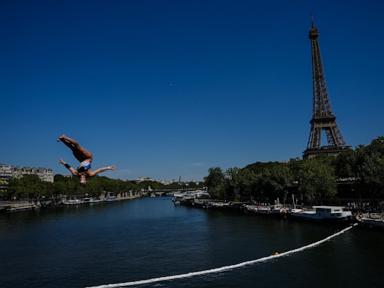
Watching elite athletes hurl themselves off a 20-meter platform near the Eiffel Tower into the historic Seine river isn't just a sports spectacle. It is a high-stakes stress test for a billion-euro urban renewal promise.
When Paris hosted the European Aquatics Championships, the historic event brought high diving directly to the Bir-Hakeim Bridge. For a city trying to convince locals and tourists that its iconic waterway is finally clean enough for human contact, the stakes couldn't be higher.
The Reality of Reclaiming the River
You can't talk about swimming or diving in the Seine without acknowledging the century-long ban that preceded it. Banned in 1923 due to heavy pollution and dangerous commercial traffic, the river became an urban barrier rather than a recreational hub. Then came the massive 1.4 billion euro cleanup effort, supercharged by the 2024 Olympic and Paralympic investments.
Public swimming returned to designated spots only recently, in 2025. Numbers from Paris City Hall show that around 70,000 people used these zones during July alone. That is a massive jump in public trust, but keeping that trust fragile water systems requires constant vigilance.
When Nature Pushes Back
Outdoor water sports always carry inherent variables. Organizers found this out the hard way right before the competition started. Training sessions were abruptly suspended when upstream hydrocarbon traces were detected.
Panic followed briefly online, but the French Swimming Federation moved quickly. The affected zone was treated overnight, clearing athletes to return to the platforms by Friday morning. According to Paris deputy mayor Maxime Sauvage, dealing with these unexpected hurdles is part of the package. You manage what you can through advanced sewage and stormwater infrastructure, and you accept that nature still holds some cards.
Bringing Elite Sport to the Streets
What makes the current championship unique isn't just the water quality; it's accessibility. Traditional aquatic events happen inside closed arenas where spectators buy tickets months in advance.
Here, commuters and tourists walking along the riverbanks stumble upon world-class athletes mid-air against a backdrop of iron lattice and French architecture. It turns an ordinary lunch break into an unforgettable urban experience.
Over 1,000 athletes are competing across disciplines like swimming, artistic swimming, open-water swimming, and high diving during the championships, which run through August 16. But it's the high divers plunging from the bridge who truly capture the public imagination.
What Comes Next for the Seine
The 38th European Aquatics Championships mark the centenary of the inaugural event held in Budapest back in 1926. For Paris, hosting it now proves that the Olympic cleanup wasn't just a temporary fix for a two-week global television broadcast.
The goal isn't erasing the river's commercial and transit identity. It's layering sport and recreation right back on top of it. If elite divers can safely slice through the current under the shadow of the Eiffel Tower, the city's radical aquatic experiment is officially working.
Head down to the riverbanks before August 16 to catch the final events, or plan your next trip around the city's expanding designated summer swimming zones to experience the reclaimed water yourself.


