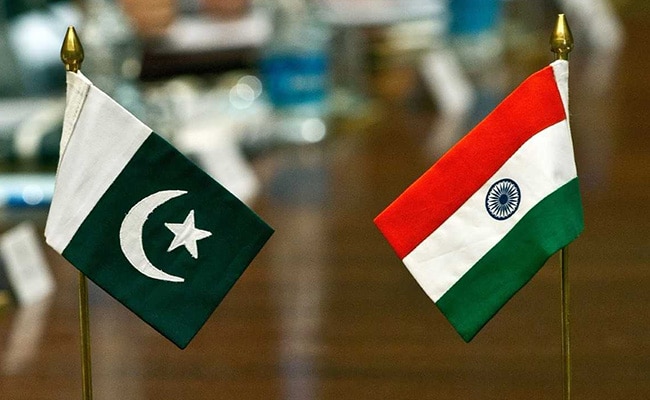
Geopolitics often ignores simple math. When Pakistan suspended trade ties with India back in 2019 following the Pulwama attack, policymakers viewed the move through a security lens. Years later, the economic ledger tells a brutal story. According to recent disclosures from the Pak-India Business Council led by Noor Muhammad Qasuri, that single decision has cost Pakistan an estimated forty billion dollars in economic losses.
You don't need a degree in macroeconomics to understand why. When two heavily integrated neighbors stop trading across a shared border, supply chains don't just adapt—they break, bleed cash, and bleed jobs.
The Heavy Burden on the Textile and Pharma Sectors
Borders close overnight, but supply lines take years to rebuild. Pakistan's core manufacturing sectors bore the brunt of this self-imposed isolation. Take the textile industry, which serves as the backbone of the country's export earnings. Facing declining domestic cotton production, textile mills couldn't simply source cheap, immediate raw materials from right next door.
Instead, businesses had to look thousands of miles away. Mills started importing cotton from distant markets like Brazil, Egypt, China, and the United States. That shift alone added an estimated five billion dollars in sheer excess expenditure. Shipping cotton across oceans instead of trucking it across a land border introduces massive logistical overhead, inflated freight expenses, and frustrating delivery delays.
Pharmaceuticals faced a parallel crisis. Pakistan's healthcare manufacturing historically relied on raw chemical inputs and active pharmaceutical ingredients accessible cost-effectively from India. Cutting off that channel meant local pharmaceutical firms had to source alternative, distant suppliers. Analysts estimate that utilizing Indian raw inputs could have generated annual savings between two billion and three billion dollars. Instead, those savings vanished, squeezing margins for local medicine producers and contributing to medical inflation for everyday citizens.
Why Proximity Always Wins in Global Supply Chains
Logistics dictate economic survival. Transporting goods across a land frontier takes days and costs minimal fuel. Rerouting those exact same goods via maritime shipping or roundabout transit routes multiplies the carbon footprint, burns through foreign reserves, and stretches supply chains to a breaking point.
When you force businesses to bypass their closest geographical market, you hand an automatic advantage to foreign competitors. Companies spend precious capital on freight, insurance, and transit delays rather than reinvesting in research, workforce expansion, or plant upgrades.
Business advocacy groups have repeatedly pointed out the sheer inefficiency of these workaround imports. While political rhetoric plays well to domestic audiences, factory owners, pharmaceutical executives, and agricultural exporters live with the daily reality of inflated operational costs.
The Broader Regional Picture
Economic isolation rarely hurts just one side equally. While India's massive, diversified economy absorbed the blow with minimal friction, Pakistan's fragile economic ecosystem felt every shockwave. Foreign exchange reserves shrank, inflation spiked, and industrial capacity utilization dropped.
Real regional cooperation requires separating trade from daily political friction. When nations choose commercial pragmatism over perpetual hostility, businesses thrive, consumers pay less for essential goods, and foreign investors gain confidence in regional stability.
Fixing broken supply chains won't happen via a single policy announcement, but acknowledging the forty-billion-dollar price tag is a necessary first step. Ignoring geography is a luxury no developing economy can afford for long.