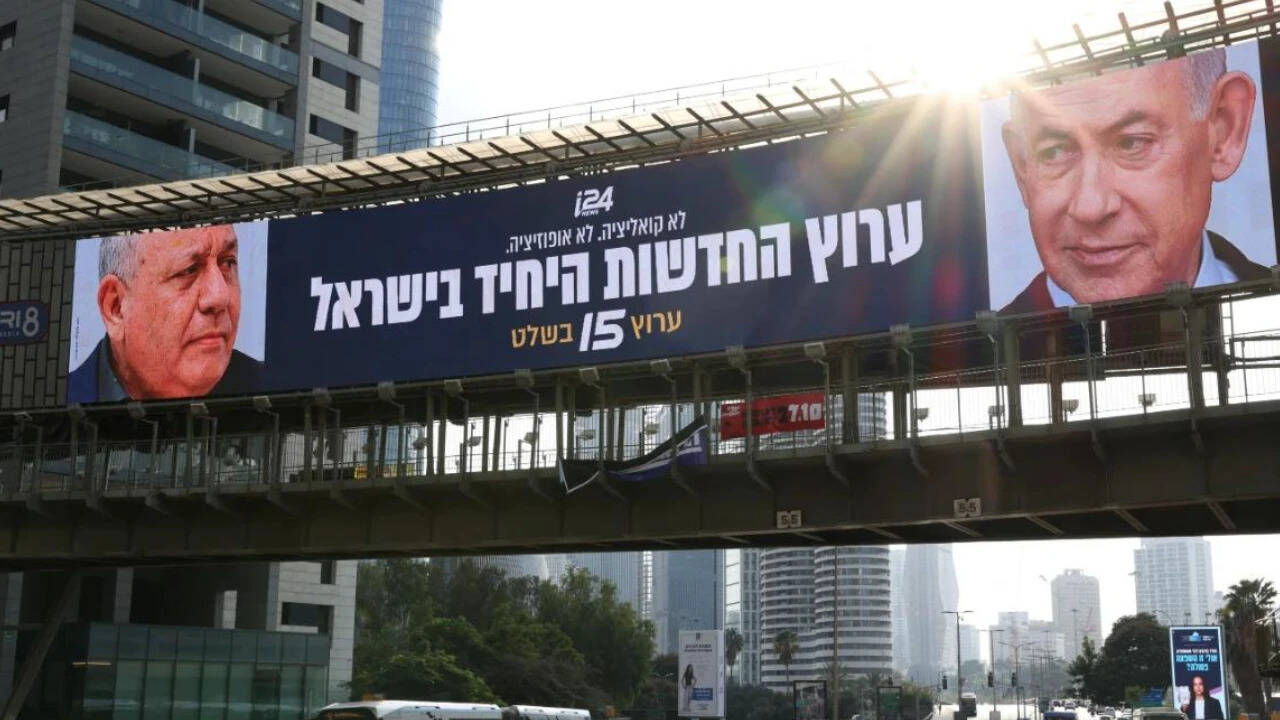
The ballot boxes are closed. The election dust is settling. Now comes the messy part.
Vote counting is underway across Israel following the recent parliamentary elections, and the math looks familiar. Benjamin Netanyahu’s Likud-led bloc is pacing the field in the 120-member Knesset. But a commanding majority? That is a different story entirely. Neither Netanyahu’s camp nor the opposition alliance spearheaded by Gadi Eisenkot is cruising to an easy win.
Israel’s political system guarantees high drama long after election day ends. If you want to understand why government formation here resembles a high-stakes puzzle with missing pieces, you have to look past the exit polls and examine how the Knesset actually works.
Why the Count Takes Days
Exit polls make great television. They are also notoriously unreliable when translation meets reality.
Israel’s Central Election Committee doesn't rush things for a reason. Every single vote counts, including hundreds of thousands of paper ballots cast by soldiers stationed on military bases and diplomats serving abroad. These votes must be physically transported, verified, and tallied under strict supervision.
Definitive seat tallies typically take a few days to materialize. The provisional numbers roll in quickly, but the official, certified results won't drop until roughly a week after the polls close. In a fragmented political ecosystem where small shifts of a few hundred votes can push a fringe party across the electoral threshold, rushing the count invites chaos.
The 3.25 Percent Trap
Israel uses a strict proportional representation system. There are no local constituencies or individual district races. The entire country acts as a single national district.
To win a single seat in the Knesset, a party must clear a 3.25 percent electoral threshold. That rule acts as a brutal gatekeeper.
If a small faction misses the cutoff by a fraction of a percent, tens of thousands of votes evaporate instantly. Those wasted votes shift the entire parliamentary arithmetic. A bloc that thought it had 61 seats locked down can wake up to find itself sitting at 59, plunging the country straight into a stalemate.
This dynamic explains why dozen-party webs dictate Israeli politics. Parties split, merge, and fracture based on survival instincts.
The President Makes the Call
Once the official results land on his desk, Israeli President Isaac Herzog steps into the spotlight.
Herzog doesn't just hand the mandate to whoever wins the most raw votes. He holds rounds of consultations with the leaders of every party that made it into the Knesset. Each party tells the president whom they want to see as prime minister.
Herzog then taps the candidate he believes holds the most realistic path to building a stable coalition. That nominee gets 42 days to stitch together a governing majority.
Forty-two days sounds like plenty of time. In practice, it is a pressure cooker.
The Coalition Bazaar
No single party in Israel’s history has ever won an outright majority of 61 seats on its own. Coalition governments are mandatory.
This forces major parties into brutal bargaining sessions with smaller factions. Religious parties, secular nationalists, and single-issue groups hold disproportionate leverage. They know the prime minister cannot survive without them.
Cabinet portfolios, committee chairmanships, policy concessions, and funding allocations become the currency of the realm. Negotiations drag on for weeks. Tempers flare. Promises are made, broken, and remade at midnight.
If the designated leader fails to lock down a coalition within the 42-day window, the president can pass the mandate to a rival. If everyone tries and fails, Israel faces a dreaded scenario: another trip to the ballot box. Meanwhile, the incumbent administration stays on as a caretaker government, keeping the lights on while political paralysis grips the country.
Keep an eye on the certified tallies over the coming days. The voting is finished, but the real fight for power has only just begun.