The latest American military actions targeting Iranian positions around the Strait of Hormuz have left shipping lanes on edge and global markets bracing for impact. When Washington pulls the trigger in this vital maritime chokepoint, nobody wins quickly. Instead, cargo operators, energy traders, and diplomats are left staring at a familiar vacuum of uncertainty.
Let's break down why these strikes happened, what they actually achieved on the ground, and why the path forward remains messy.
Why the Strait of Hormuz Keeps Drawing Fire
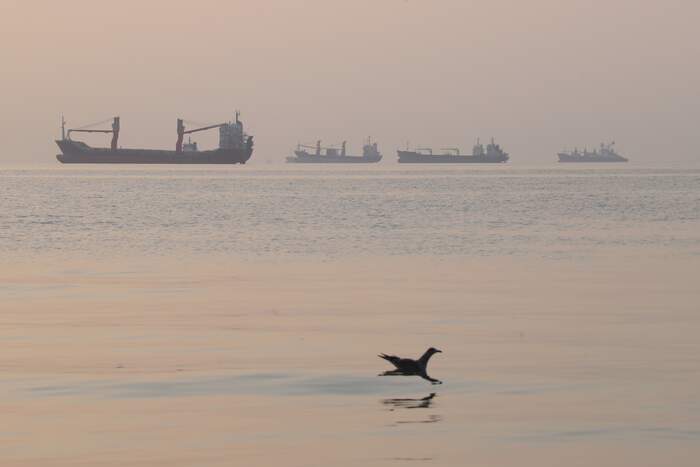
You can't talk about global energy security without talking about this narrow strip of water. Roughly a fifth of the world's petroleum passes through these lanes. When tensions spike between Washington and Tehran, commercial vessels become sitting ducks.
Recent escalations trace directly back to targeted disruptions of cargo ships and regional security provocations. The US Central Command repeatedly warns that attacks on civilian crews and commercial shipping will carry heavy costs. Yet, deterrence remains a moving target. Every time missiles fly or rocket launchers are neutralized, the immediate military objective is met, but the strategic stalemate deepens.
Iran's posture in the region involves asserting control, threatening transit taxes, and pushing back against Western naval blocks. Meanwhile, the White House balances between keeping trade routes open and avoiding a full-scale regional quagmire.
The Reality Behind the Fog of War
Official statements love phrases like "precision strikes" and "degraded capabilities." But if you look at the track record of military interventions in the Persian Gulf, a few harsh truths emerge.
First, destroying radar sites, small Islamic Revolutionary Guard Corps boats, or coastal missile batteries offers only temporary breathing room. Tehran has proven remarkably resilient at dispersing its asymmetric naval assets.
Second, shipping insurance rates skyrocket overnight. Shipping companies don't care about political rhetoric; they care about hull insurance and crew safety. When a strike hits, transit costs jump, and those expenses trickle down straight to global fuel consumers.
Third, diplomatic channels rarely close completely, even when bombs drop. Backchannel talks involving regional intermediaries like Qatar, Saudi Arabia, and the United Arab Emirates usually continue behind closed doors. Peace initiatives, reconstruction fund debates, and nuclear negotiations run on a parallel track to the military friction.
The Question Nobody Has Answered
What comes next is always the awkward silence after the smoke clears. Officials can claim success for destroying a specific set of military targets, but they rarely have a clean answer for the day after.
If Tehran chooses to respond through proxy actions or renewed asymmetric harassment of tankers, Washington faces a grim choice. Do they escalate into a broader campaign that risks choking off global trade entirely, or do they absorb the blow and return to fragile ceasefires that keep breaking?
Energy markets hate ambiguity. Until there is a binding, enforceable maritime security agreement or a genuine diplomatic breakthrough, expect more of this high-stakes cat-and-mouse game in the Persian Gulf. Keep an eye on commercial insurance spikes and the daily movement of crude prices—they usually tell the real story long before the official press briefings catch up.