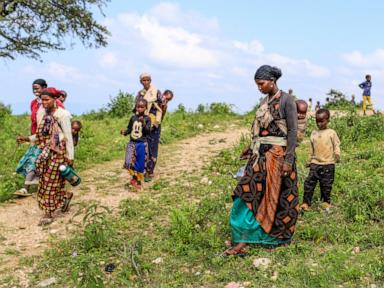
Escaping a warzone keeps you alive, but it doesn't keep your children fed. When violent clashes erupted in Ethiopia's border town of Moyale, roughly 50,000 people packed what they could carry and crossed over into Kenya. They traded immediate gunshots for a quieter kind of terror: the slow, agonizing realization that there is no food left in the pot.
Mothers who spent days walking across the border found physical safety, yet they stepped straight into a humanitarian blind spot. If you look at rapid assessments conducted by Kenyan authorities alongside the International Organization for Migration and UN agencies, the numbers paint a bleak picture. About 71 percent of displaced households do not have enough to eat, and an overwhelming 80 percent identify food as their most desperate daily need. If you liked this article, you might want to check out: this related article.
The Reality of Temporary Shelters in Moyale
The border town of Moyale isn't built to absorb an influx of 50,000 traumatized people overnight. Schools turned into makeshift dormitories. Floors are packed tightly with sleeping mats, woven sacks, and clusters of children sharing single round aluminum trays of food when rations finally arrive.
Local Kenyan families have tried to bridge the gap, opening their doors and sharing sparse resources. But host communities were already stretched thin by regional droughts and economic strain long before this crisis hit. When you squeeze dozens of extra people into a household that barely covers its own meals, the safety net snaps. For another look on this event, refer to the recent coverage from NBC News.
Water access is another immediate crisis. Nearly half of the displaced households report severe shortages of clean drinking water, and more than three-quarters lack basic handwashing facilities. Healthcare is basically out of reach for mothers dealing with sick infants, driven by skyrocketing costs and critical shortages of basic medicines.
Why Pregnant and Breastfeeding Mothers Suffer Most
Aid workers on the ground face an impossible math problem. Henok Ochalla, a senior emergency coordinator with the United Nations refugee agency (UNHCR), has pointed out that pregnant and breastfeeding women, alongside children under five, require specialized nutrition and medical attention that simply isn't available at scale.
When a nursing mother eats one meager meal a day—or nothing at all—her body stops producing milk. Babies waste away quietly in temporary classrooms while international appeals lag behind the actual body count of the displaced. UNHCR launched an appeal for $8.9 million to handle the influx, but funding falls dangerously short of what's required to sustain tens of thousands of people over the long term.
Registration bottlenecks compound the suffering. While UNHCR and local authorities had profiled roughly 14,000 individuals by early November to map out specific vulnerabilities, tens of thousands more remain uncounted or stuck waiting. Those caught outside official registration loops struggle to access regular household food distributions, relying entirely on communal meals at crowded protection sites.
The Long Road Beyond the Border
Borders don't erase the root causes of conflict. Most families fleeing the violence originate from the Oromia and Somali regions of Ethiopia, escaping ethnic and territorial clashes that flare up with little warning. Returning home right now means walking straight back into an active threat zone. Staying in Kenya means watching food supplies dwindle day by day.
For the mothers sheltering in northern Kenya, survival is now a daily logistical nightmare. They traded bullets for empty plates, waiting to see if international aid arrives before hunger finishes what the conflict started.
Ethiopian Families Seek Shelter in Kenyan Schools After Deadly Clashes
This video provides an on-the-ground look at how displaced families are arriving in Moyale and coping with severe shortages in temporary school shelters.