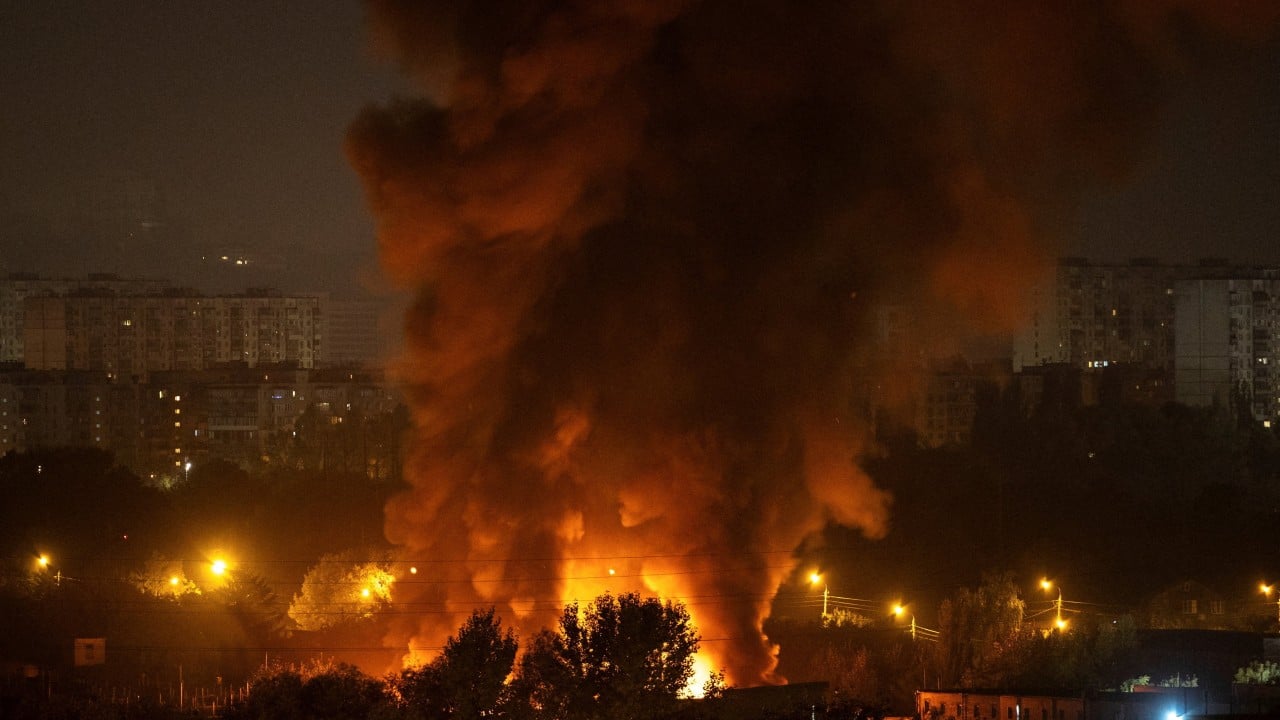
Air raid sirens don't wait for anyone. They howl across Kyiv, tearing through the quiet hours of the night with zero regard for who is listening or sleeping.
Hours earlier, Ukrainian President Volodymyr Zelenskyy went on camera with a stark public warning. Intelligence reports pointed to an incoming barrage. The warning was clear, direct, and urgent. Yet, when the ballistic missiles and jet-powered drones finally arrived, the impact still shook buildings to their foundations and left communities counting casualties once more.
Russian missile and drone strikes killed at least 11 people and injured dozens more across several regions of Ukraine during a coordinated overnight assault. The attacks struck the capital city of Kyiv, alongside regions like Dnipro, Zaporizhzhia, Kharkiv, and Poltava. Mayor Vitali Klitschko and local military administrations reported widespread damage across multiple districts as repeated explosions rocked the capital before dawn.
The Reality Behind the Warnings
Intelligence warnings save lives, but they also create an agonizing waiting game. When a head of state tells millions of citizens that a massive strike is incoming, the psychological toll is immense. People stock up on water, herd children into cold basements and underground metro stations, and wait.
The strike materialized just as predicted. The Ukrainian Air Force tracked multiple waves of threats, including ballistic missiles launched from Russia's Bryansk region and explosive drones moving stealthily across northern sectors. In Kyiv, explosions echoed through the darkness for a second time as fresh missile tracks registered on radar screens. Air defense teams scrambled to intercept the incoming projectiles, but the sheer volume of ordinance means interceptor rates cannot catch every single threat.
This pattern reveals a grim operational reality of the conflict. Russia continues to time major aerial campaigns to maximize psychological pressure. Attacks often coincide with notable dates or follow explicit warnings, effectively testing the resilience of local air defense networks and civilian morale.
Why Infrastructure and Civilians Remain the Primary Targets
People always ask how civilian areas absorb these blows so frequently. The answer lies in the strategic breadth of these campaigns. Missiles rarely target a single isolated asset. Instead, a mix of cruise missiles, ballistic hardware, and loitering munitions blankets wide areas to overwhelm radar tracking systems.
When debris falls or warheads slip past defenses, residential blocks, commercial districts, and utility hubs bear the brunt. The human cost remains devastating. Families lose homes in seconds, and emergency responders work through the smoke and ash while secondary alerts blare overhead.
Ukraine's leadership continues to stress that repelling these onslaughts depends entirely on the steady flow of advanced air defense hardware and interceptor missiles from international allies. Without robust shields in place, every warning turns into a race against time where shelter availability and sheer luck determine who survives the night.
Check local emergency apps, map out the nearest reinforced shelter, and keep a go-bag packed if you are living anywhere near active conflict zones or vulnerable urban centers. Preparation is the only concrete defense left when the sirens start.