Democracy in Haiti keeps getting pushed back. Provisional electoral authorities just announced that the long-awaited first-round presidential and legislative vote is moving to July 18, 2027, with a second round and local elections locked in for October 4. The country hasn't held a single election since 2016, and the assassination of President Jovenel Moïse in 2021 threw the state into a perpetual tailspin of transitional governments and rising criminal dominance.
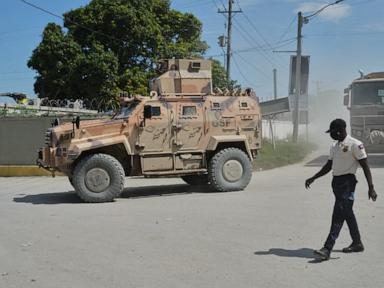
If you're wondering why citizens can't simply head to the polls, look at the streets. Gangs control most of Port-au-Prince. Major transport links are blocked, and registration centers are sitting in active conflict zones. Voting isn't logistics right now; it's a survival test. For a more detailed analysis into this area, we suggest: this related article.
The Salvadoran Military Enters the Fray
The crisis just took a massive international turn. El Salvador's foreign ministry announced a deployment of more than 2,000 soldiers to Haiti. This isn't just routine peacekeeping. The troops are tasked with a critical rescue mission to locate four missing airmen or personnel who disappeared east of Port-au-Prince, while also backing local security forces in aggressive anti-ganging operations.
President Nayib Bukele's government is bringing its hardline security playbook straight to the Caribbean. But it raises a thorny question for international observers. How will a foreign military contingent of over 2,000 troops coordinate with existing multinational missions? Many analysts are already questioning command structures on the ground. To get more context on this topic, detailed coverage is available at Associated Press.
The Human Toll Behind the Headlines
Numbers and troop counts hide the sheer misery on the ground. Human suffering is compounding daily as blockades strangle the capital. Humanitarian groups like Doctors Without Borders report that patients with severe gunshot wounds or drone blast injuries are taking hours just to reach functioning clinics. Blocked roads and violent crossfire between armed groups and international forces have made standard medical transit nearly impossible.
When organizations like Doctors Without Borders have to publicly beg armed factions and authorities to spare civilians, you know the security apparatus is failing everyday people.
What Happens Next on the Road to 2027
Delaying the vote to July 2027 buys time, but it doesn't guarantee stability. Politicians like former President Michel Martelly have tried to throw their hats into the ring, but candidate registration means little when armed factions dictate who can move freely across districts.
Unless the security situation in Port-au-Prince changes drastically, July 2027 will arrive with the exact same obstacles. The 2,000 Salvadoran troops and international security forces have their work cut out for them. If they can't clear vital transit arteries and break the territorial grip of criminal syndicates, Haiti's democratic roadmap will remain nothing more than ink on paper.