Air shows are supposed to be celebrations of human engineering and elite piloting skills. They are loud, fast, and aggressively thrilling. But underneath the roar of the afterburners lies a terrifying reality that most spectators choose to ignore.
When a Greek air force jet goes down during a high-profile public event, the illusion shatters immediately.
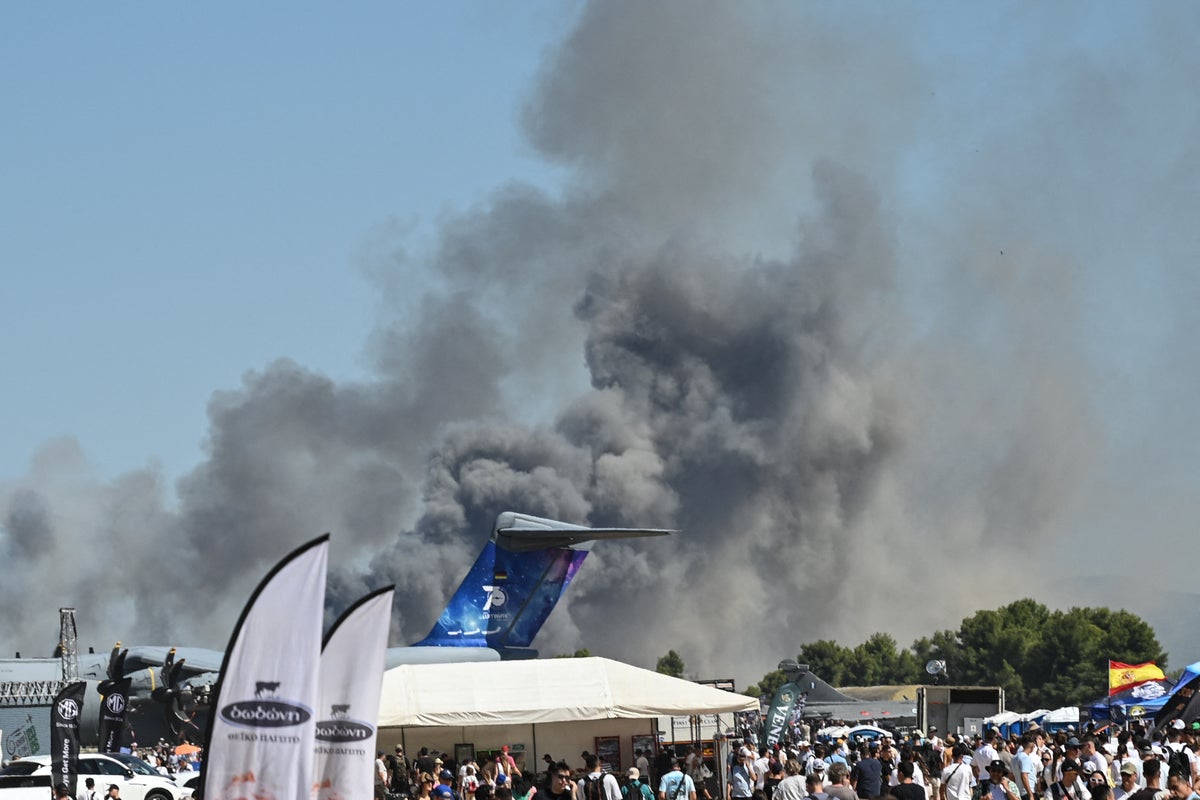
A twin-seat Phantom F-4 jet crashed north of Athens during a low-altitude maneuver at the annual Athens Flying Week. Thousands of people watched in horror as the aircraft hit the ground at Tanagra Air Base, sparking a massive fire and claiming the lives of both pilots. Prime Minister Kyriakos Mitsotakis called it a grim reminder of the daily danger faced by military aviators.
It is a grim reminder, yes. But it is also something else entirely. It is a stark look at the punishing physical and mechanical limits of aging military hardware operating right at the absolute edge.
Let's look at why these tragedies keep happening, what aviation experts actually think behind closed doors, and why the romanticized view of military flight air shows needs a hard reality check.
The Reality of Flying Legacy Aircraft
The aircraft involved in this crash was a McDonnell Douglas F-4 Phantom II. Think about that for a second. The design of this plane dates back to the late 1950s. While the Hellenic Air Force has upgraded its systems over the decades, the airframe itself is old.
People assume modern militaries only fly futuristic jets straight out of science fiction. They don't. Many countries rely on upgraded legacy platforms because buying entirely new fleets is astronomically expensive.
Flying a vintage airframe at low altitude subjects the metal, the hydraulics, and the human body to violent stress loads. When you push a heavy, older twin-engine jet through low-level aerobatics, you are asking a machine designed during the Cold War to perform physics-defying stunts.
Most civilian spectators do not realize the maintenance burden required to keep these vintage fighters airworthy. Every single bolt, spar, and wire harness has endured thousands of hours of thermal and gravitational fatigue.
The Psychological Weight on the Pilots
We talk endlessly about the technical mechanics of a crash. We rarely talk about the human calculus.
Military pilots flying display routines are not stuntmen. They are active-duty combat aviators who spend most of their time training for interception, tactical strike missions, and air defense. Transitioning from tactical readiness to low-level air show demonstrations requires a completely different mindset.
Display flying is inherently unnatural for a fighter jet. You are flying low, slow, and close to the crowd. You are operating outside the tactical envelopes where these planes are designed to save your life.
When things go wrong during a low-altitude maneuver, the margins are measured in fractions of a second. There is no altitude buffer to trade for airspeed. There is no recovery window. The pilots know this better than anyone else on the tarmac. They strap into the cockpit anyway because public morale, international defense relations, and national pride demand it.
Why Air Shows Are Facing Tough Questions
The Athens disaster instantly triggered safety reviews, event cancellations, and a national period of mourning. It also reignited a fierce global debate that aviation safety advocates have pushed for years.
Should high-performance military jets be allowed to perform low-altitude aerobatics directly over or adjacent to civilian crowds?
Defense ministries defend these displays as vital recruitment tools and demonstrations of operational readiness. They argue that seeing a jet roar overhead builds public trust and connects taxpayers to their armed forces.
Critics point out that the risk-to-reward ratio makes zero sense. When a routine flight turns into a fireball, the human cost is catastrophic.
Let's break down the core arguments that safety analysts make:
- Low-altitude aerobatics eliminate the safety margin for mechanical failure. If an engine stalls at five thousand feet, a pilot has time to troubleshoot or eject. If it stalls at three hundred feet during a steep climb, physics wins every single time.
- Human error rates spike under public performance pressure. Even the best pilots in the world are susceptible to spatial disorientation or visual illusions when focusing on crowd lines and ground references.
- Maintenance triage is stretched thin. Ground crews are working overtime to keep aging fleets operational for both active defense patrols and weekend air shows.
What Happens Next for Military Aviation
Greece declared three days of mourning, and condolences poured in from neighboring nations like Cyprus. But mourning passes. The real test is whether military leadership will change how they handle public demonstrations moving forward.
If you attend an air show, remember what you are watching. You are not watching a movie. You are watching highly trained professionals operate extreme machinery at the very edge of human capability.
The next time a vintage fighter screams across the sky, appreciate the skill of the aviator in the seat. But also recognize the invisible cost of keeping those legacy birds in the air.
Demand better safety buffers from event organizers. Support increased funding for modern fleet upgrades so pilots aren't forced to squeeze every last drop of life out of aging airframes. Stay clear of the danger zone and keep your eyes on the horizon.