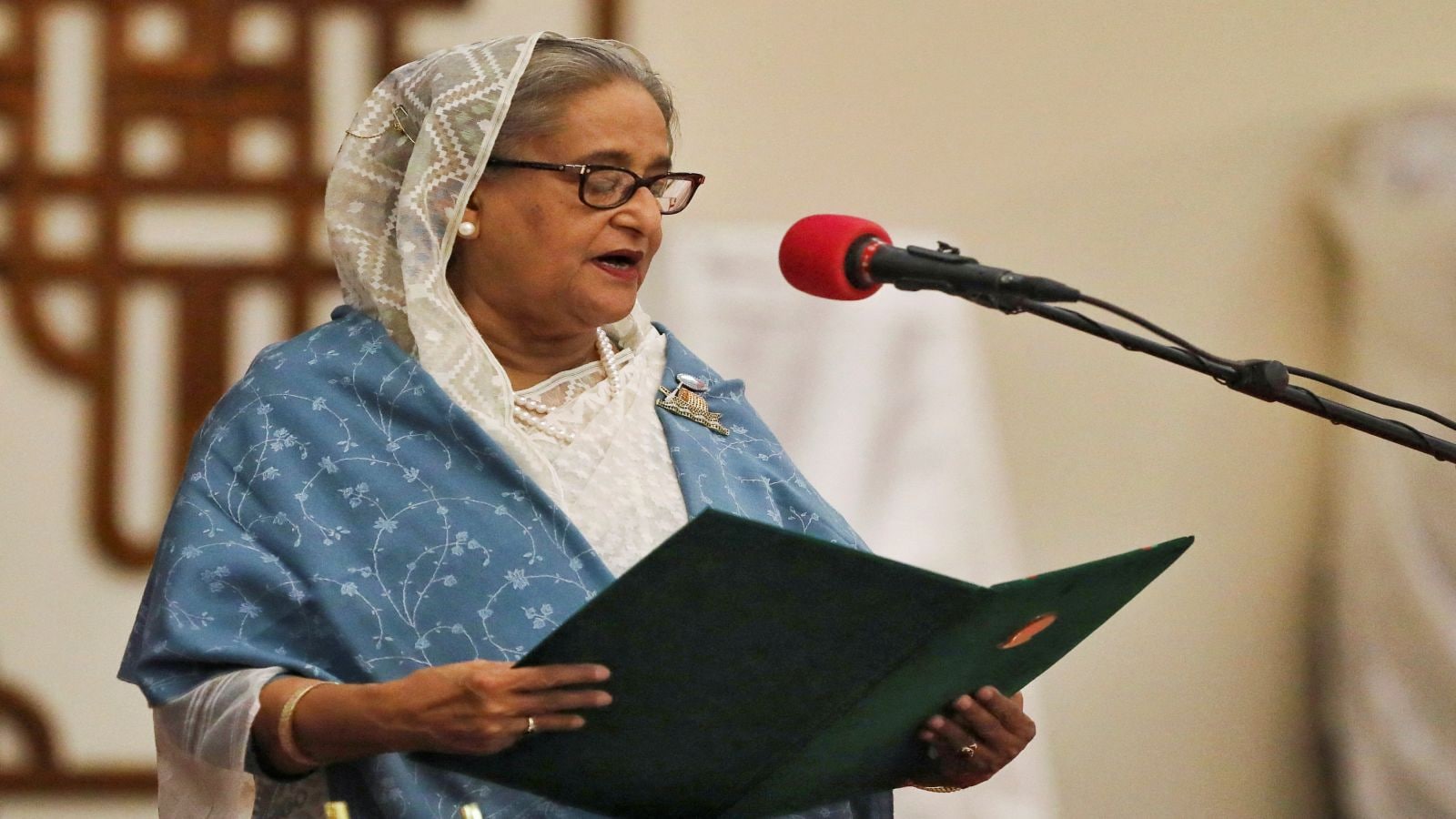
Gopalganj is paying a steep price for being Sheikh Hasina's home turf. Street violence that erupted on November 15 has knocked out rail links, frozen bank accounts, snarled mobile wallets, and turned the district into a security flashpoint as Bangladesh braces for Hasina's planned return next month.
Here's the bottom line right away. If you rely on trains running through Gopalganj, use mobile money there, or run a business tied to the district, you're facing real bottlenecks that won't clear overnight. Railway services tied to the route have been halted since November 15, tax authorities have frozen over a hundred bank accounts linked to alleged protest funding, and tens of thousands of people are feeling the squeeze while authorities prepare for December 16.
What Actually Triggered the Shutdown in Gopalganj
Politics in Bangladesh rarely stays polite, and Gopalganj sits right at the center of the storm. It's the birthplace of both Sheikh Mujibur Rahman and his daughter, ousted prime minister Sheikh Hasina, who won the Gopalganj-3 seat eight times between 1986 and 2024. With Hasina signaling plans to return to Bangladesh on December 16—Victory Day—tensions in her old stronghold boiled over.
On November 15, supporters of the activity-banned Awami League marched through Gopalganj town and surrounding upazilas carrying machetes, sticks, and oars. Protests quickly turned destructive. Police stations were attacked and torched, an armoured police vehicle was damaged, and residences or family-owned properties tied to sitting Bangladesh Nationalist Party (BNP) lawmakers were targeted. In Tungipara, Border Guard Bangladesh (BGB) personnel even faced crude bombs and arson, prompting a massive case naming 5,008 accused.
Prime Minister Tarique Rahman's BNP government hasn't responded with a single playbook. Instead, it has combined heavy paramilitary deployment—with dozens of BGB platoons sent into Gopalganj amid broader deployments across six districts—with quiet administrative and financial pressure. Reports also point to frozen local development funds and heightened border vigilance as the banned party calls for shutdowns.
How Train Suspensions and Reroutes Change Travel
If you normally take the train through Gopalganj, your commute just got harder and pricier. Since November 15, rail services connecting Gopalganj with other parts of the country have been suspended over sabotage fears. The Dhaka-Gopalganj Avijatri commuter train was halted, and services like the Tungipara Express and the Rajbari-Gobra local train were curtailed to Kalukhali in Rajbari.
Even worse for local riders, Bangladesh Railway moved ahead with an alternative Khulna-Dhaka train plan—such as the proposed Jahanabad Alternative Express via Khulna, Poradah, Rajbari, and Dhaka—that bypasses Gopalganj directly. That keeps intercity passengers moving between major hubs, sure. Yet it leaves commuters in places like Kashiani and Muksudpur without direct rail links to Dhaka.
Think about what that means on the ground. Daily wage laborers who used cheap commuter trains to reach work in Dhaka now face much higher road fares—or they simply stay home without pay. Let's be honest: when rail lines get pulled over security fears, working commuters always eat the cost first.
Bank Freezes and Mobile Wallet Headaches
Money moves fast in Bangladesh, until it suddenly stops. Around late November, the National Board of Revenue (NBR) ordered bank account freezes covering 97 individuals and four business entities—101 accounts in total—over alleged financing of sabotage and attacks on law enforcement in Gopalganj. Among those named in reports are former government officials, including former health secretary Md Serajul Huq Khan and his wife, alongside local Awami League figures from areas like Gopalganj Sadar, Kashiani, Tungipara, and Muksudpur.
Then came the ripple effect on mobile financial services (MFS). Residents across Gopalganj reported trouble cashing out, sending money, or paying bills on platforms like bKash, Nagad, and Rocket. While mobile money operators indicated there was no blanket directive shutting down every resident's wallet, local users and agents felt the freeze in daily commerce.
- Farmers struggle to pull together cash for seeds, fertilizer, and planting needs.
- Parents can't easily send money to children studying away from home.
- Small shopkeepers and MFS agents watch foot traffic dry up and commissions shrink.
That tension between anti-financing enforcement and everyday financial access is the real policy trap here. Tracing illicit protest funding makes sense on paper. Freezing accounts or triggering account glitches in a tense district without crystal-clear communication punishes ordinary households trying to buy groceries.
A Security Tightrope Before December 16
Why are officials acting so aggressively right now? Because December 16 is looming. Hasina has stated she intends to return on Victory Day, while Dhaka has made clear she faces arrest on arrival and insists any return must follow extradition processes—a matter under examination in India.
Meanwhile, the BNP under Tarique Rahman is gearing up for major December rallies, and security forces are bracing for fresh flashpoints. Pushing too hard with brute force risks handing Hasina's supporters a powerful victimhood narrative. Doing too little invites more arson, highway blockades, and attacks on public buildings. Honestly, there's no easy exit ramp for either side right now.
Practical Steps If You Are Traveling or Doing Business There
Don't wing a trip or a payment through Gopalganj right now. Check live schedules and verify your finances before you move.
- Confirm rail and road status the morning you travel—don't assume trains running between Dhaka and Khulna stop at Gopalganj stations, and budget extra time and cash for highway buses if road blocks pop up.
- Keep backup cash on hand if you're traveling to or operating in Gopalganj, Kashiani, Tungipara, or Muksudpur in case mobile wallet transactions lag or agent cash runs low.
- Verify account status directly with your bank or MFS provider before scheduling supplier payouts, payroll, or school remittances tied to the district.
- Track daily updates from outlets like The Daily Star and The Business Standard so you aren't caught off guard by fresh curfews, shutdown calls, or rail adjustments.
Bangladesh train chaos video report
This video highlights how mobile banking disruptions and unrest in Sheikh Hasina's home district are affecting everyday people on the ground.