Wall Street spent two years promising that artificial intelligence would turn every banker, trader, and accountant into a software developer. Then reality hit.
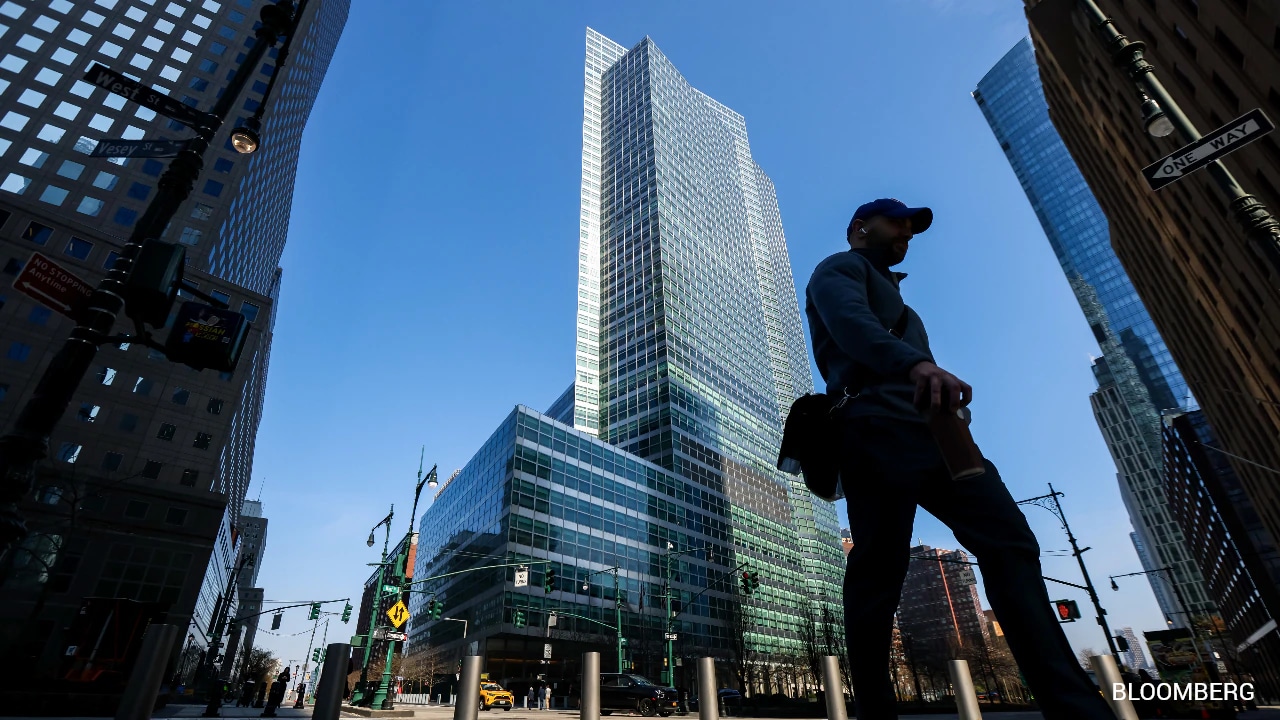
Goldman Sachs just pulled the plug on giving non-technical staff broad access to advanced coding tools like Anthropic's Claude Code and Microsoft's GitHub. Instead of letting traders spin up automated scripts and financial models on the fly, the bank restricted those capabilities strictly to its 12,000 professional engineers.
If you've been watching corporate America chase the automation craze, this shift shouldn't shock you. Banks are realizing that letting non-coders build production tools is a fast track to operational chaos.
The Problem With Vibe Coding on Trading Floors
Just a few months ago, Goldman's leadership was cheering on what executives called "vibe coding." The idea sounded great in theory. Traders and investment bankers, who understand market dynamics better than anyone, could use conversational artificial intelligence to generate quick scripts, monitor trading flows, and model market changes without writing a single line of traditional syntax. They would draft the logic, hand it off to an engineer for polish, and ship it.
It felt like peak innovation. But practicality quickly dismantled the utopian vision.
When you put powerful programming agents into the hands of people whose primary job is executing financial trades rather than managing code hygiene, things break. Traders needed these tools to move fast, which meant skipping code reviews, ignoring security protocols, and bypassing internal compliance checks. In high-stakes financial environments, a single unvetted script or hallucinated logic error can corrupt risk models or leak sensitive client data.
The bank's internal guidance update spells it out plainly. Experimentation is over. Risk management has taken the wheel.
Wall Street Is Getting Cold Feet About Productivity Costs
Goldman isn't alone in scrambling to figure out how to police artificial intelligence adoption. Financial institutions are pouring billions into infrastructure while trying to figure out if the massive expenditure actually translates to real-world value.
Take the economics of modern language models. Using a top-tier frontier model to handle a basic task—like summarizing a routine analyst report or generating a simple macro script—burns through corporate budgets with terrible return on investment. Competitors like JPMorgan Chase have started cracking down on model selection, forcing employees to route prompts through cheaper, task-specific models instead of letting everyone tap the most expensive systems by default.
At the same time, banks want both sides of the coin. Goldman is happily acting as a lead underwriter for Anthropic's massive initial public offering and partnering with chip giants like Nvidia on major debt deals. They love the industry boom. They just hate the internal liability of letting amateurs write software that touches the balance sheet.
What This Means For The Future of Enterprise Automation
The pendulum always swings back toward control. The narrative that anyone can become a builder through prompt engineering ignores the harsh realities of enterprise security, technical debt, and regulatory compliance.
Traders are frustrated, and rightfully so. They tasted the speed of instant code generation and now they are back to filing tickets with the engineering department. But financial institutions operate under regulatory constraints that tech startups can comfortably ignore. When the Securities and Exchange Commission asks how a proprietary trading model made a specific calculation, you can't tell them an AI agent hallucinated the script last Tuesday.
Engineers write code for a living because building reliable software requires architectural discipline, version control, and rigorous testing environments. Wall Street just learned that lesson the hard way. Stop expecting amateur developers to build institutional-grade software on a coffee break. The adults are back in the room, and the coding tools belong to the engineers again.