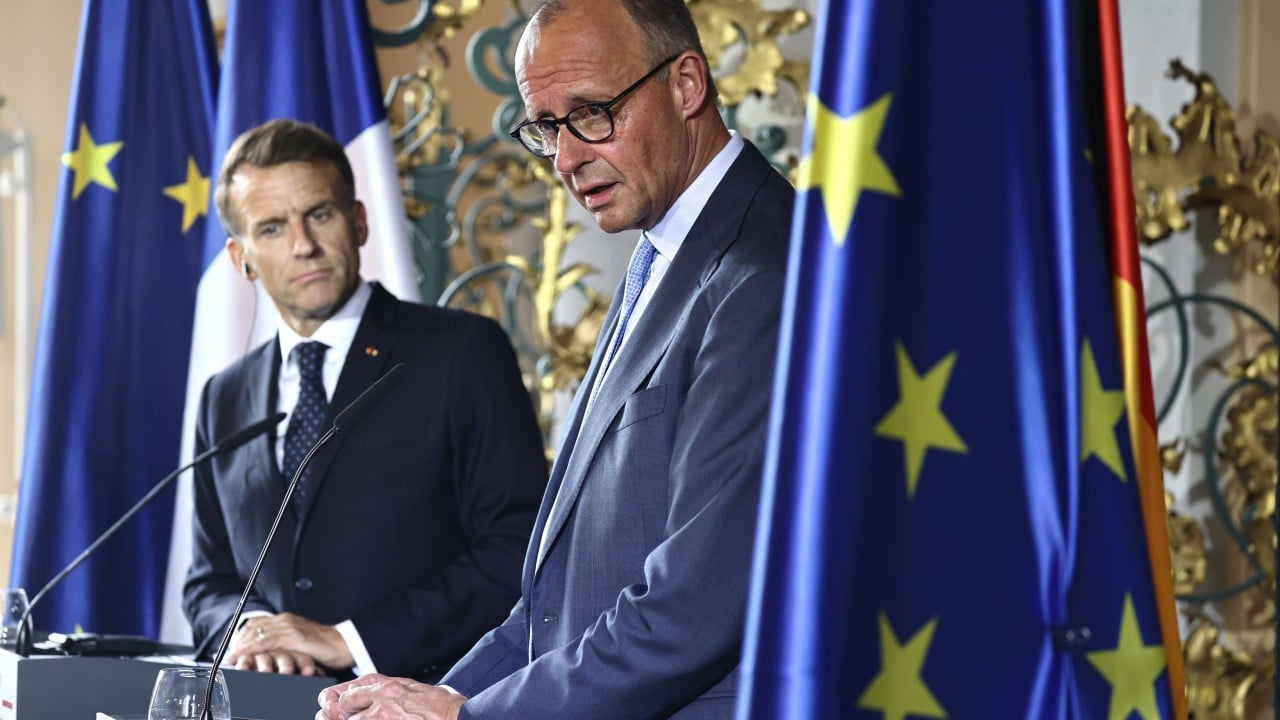
Europe’s economic engine room is shifting gears, and it's not a change anyone in Beijing expected to see this quickly. Berlin and Paris have officially locked arms behind a proposal that could completely rewrite how the European Union handles external trade threats.
For years, German industrial giants preached free trade while French leaders pushed for protectionist shields. That old friction is gone. Faced with widening trade imbalances—including an EU trade deficit with China that hit €360.6 billion—both economic powerhouses are backing a sweeping overhaul of EU trade defenses.
They aren't just talking about another round of slow-moving bureaucratic tariffs. They want a "red button" mechanism capable of cutting off access to the European single market within 24 hours.
Moving Beyond Slow Anti-Dumping Rules
Traditional European Union trade probes take months, sometimes years, to crawl through bureaucratic channels. By the time Brussels issues a finding on a specific product, the market has already absorbed the shock or the domestic industry has taken permanent damage.
The new Franco-German policy paper changes the baseline entirely. Instead of examining isolated corporate imports one by one, the proposal targets entire industrial sectors. Chemicals, PET plastics, and hybrid vehicles are sitting directly in the crosshairs.
If you run a manufacturing firm in Europe, you know how painful the current verification lag is. Competitors can flood a market, undercut local pricing, and alter supply dynamics long before Brussels manages to schedule a hearing. Berlin and Paris want to bypass that paralysis by introducing a systemic reaction tool modeled loosely on aggressive trade instruments used elsewhere in the global economy, such as the United States' Section 301.
The Real Driver Behind the Shift
Why the sudden urgency? Look at the numbers. The European Union spends roughly three times more on imports from China than it exports back. That structural gap widened further over the first half of the year, amplifying worries about strategic dependencies in critical supply chains.
German automakers and chemical companies used to oppose aggressive defensive measures out of fear of Beijing retaliating against their factories operating inside China. But that calculation broke down. When local manufacturing lines face severe pressure from heavily subsidized import surges, holding the line on traditional diplomacy stops making financial sense.
European Trade Commissioner Maroš Šefčovič is currently navigating these friction points, holding preparatory talks with Chinese officials ahead of the upcoming Brussels summit. Yet, the joint stance from Germany and France sends an unmistakable message to the negotiating table. Brussels is preparing for a much harder edge in bilateral commerce.
What Happens Next for Businesses
Passing a sweeping new market-access restriction tool won't happen overnight. The mechanism requires approval from member state governments and the European Parliament, a legislative grind that will take months of intense debate.
Smaller member states might push back against handing the European Commission such concentrated enforcement powers. Nobody wants a full-scale trade war that disrupts logistics lines or triggers retaliatory blocks on European exports.
If you're operating supply chains that rely on Asian components or chemicals, waiting for the final vote is a gamble. Smart operators are already auditing their vendor exposure and mapping out alternative sourcing hubs across Southeast Asia or Eastern Europe. The regulatory safety net is vanishing fast. Build resilience now, or watch your margins get squeezed by the next wave of policy shifts.