You can keep your hyper-connected cloud ecosystems and pocket-sized supercomputers for a moment. Right now, a surprising segment of shoppers is dropping serious cash on gadgets that debuted two decades ago. Walk down the electronics aisle or check recent retail data, and you will notice a strange shift. Throwback tech isn't just a quirky garage sale hobby anymore. It is driving major holiday retail numbers.
According to a recent Best Buy Canada holiday gifting report conducted by Angus Reid, roughly 40 per cent of consumers are likely to buy a tech gift fueled purely by nostalgia. What makes this trend fascinating isn't just the love for the past; it is who is paying for it. Younger generations are leading the charge. Gen Z and Millennials are ditching hyper-convenient streaming apps and modern glass slabs for things like portable music players with click wheels, physical game cartridges, and single-use film cameras. Don't miss our previous article on this related article.
The iPod and BlackBerry Comeback
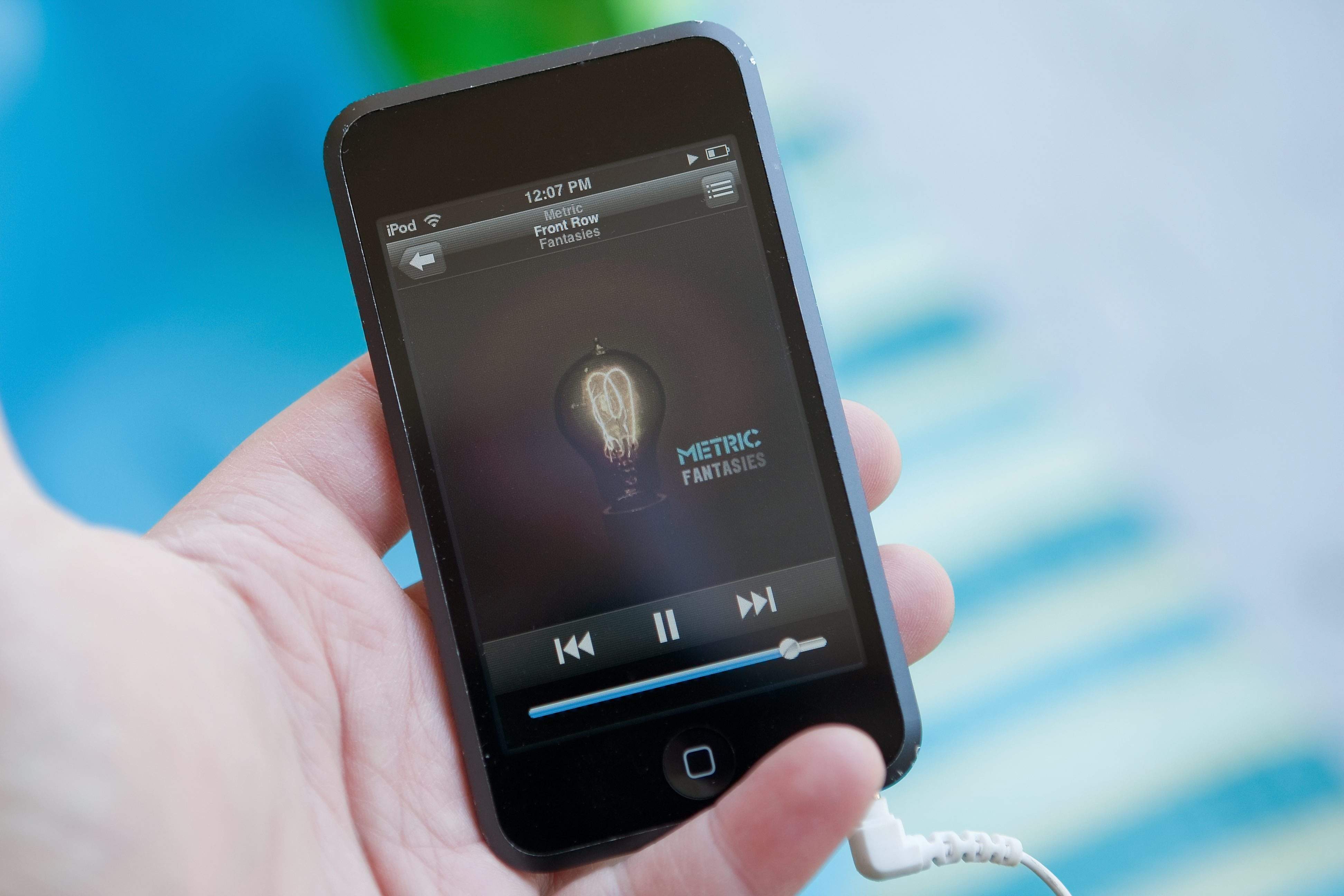
If you told a Silicon Valley executive ten years ago that teenagers would line up to buy a dead Apple media player with a mechanical scroll pad, they would laugh you out of the room. Yet, the iPod ranks at the very top of the retro technology wishlist today.
Gen Z shoppers are spearheading this obsession. They want standalone devices that do not buzz with notifications, ping with emails, or track their location every second of the day. A dedicated music player means no social media feeds interrupting your favorite album. To read more about the history of this, TechCrunch offers an in-depth summary.
BlackBerry devices featuring real tactile keyboards are following close behind. There is a visceral craving for physical feedback. When everything in our lives is trapped behind smooth, frictionless glass, the simple act of clicking a plastic button feels rebellious.
Older shoppers have different tastes. Boomers lean into nostalgia for VCRs and VHS tapes, missing the days when you actually owned a physical copy of a movie rather than renting a license from a faceless streaming library. Meanwhile, Millennials hunt down vintage Nintendo 64 and Super Nintendo consoles to recapture the couch co-op multiplayer nights of their childhood.
Why Analog Obsession Is Winning Right Now
We reached peak digital fatigue years ago. When every single aspect of your daily existence requires an account login, a software update, and a subscription fee, digital ownership starts to feel like an illusion. You do not own your digital movies or your cloud music library. You just rent access until the corporation decides to pull the plug.
That reality explains why nearly a quarter of Canadians purchased physical music, movies, or games over the past year, with younger demographics driving the surge. Buying an old cassette, a vinyl record, or an old-school point-and-shoot camera gives you actual possession. You can hold it. You can put it on a shelf.
There is also the matter of intentional friction. Modern smartphones are designed with psychological dark patterns meant to capture and monetize your attention span. Vintage gadgets do one thing, and they do it poorly by modern standards. That limitation is a feature, not a bug. An iPod plays music and nothing else. It frees you from the endless doom-scrolling loop.
The Retail Reality Behind the Retro Wave
Major electronics retailers are taking notice of this shift. Stocking shelves with refurbished hardware, vinyl turntables, and classic gaming accessories isn't just a sentimental gimmick; it answers a very real consumer demand for authenticity and value.
Price plays a role here too. With cost-of-living pressures weighing heavily on holiday budgets, buying pre-owned or open-box hardware has lost any social stigma it once carried. In fact, studies show that a massive majority of consumers are entirely comfortable buying traded-in or refurbished tech. It saves money, keeps electronics out of landfills, and delivers a unique product that stands out from the generic black rectangles everyone else carries.
The modern tech landscape moves too fast. Every year brings a marginally thinner laptop or an incremental smartphone upgrade with features most people never use. Stepping backward into the tech of the early 2000s offers a weird kind of peace. It reminds us of a simpler era when technology felt like an exciting tool rather than an exhausting obligation.