Walk down any busy street in Seoul, and you'll notice an intense cultural fixation on physical appearance. It's not a secret. South Korean society has long held strict beauty standards, but things have shifted from grueling gym routines and restrictive fad diets to something much more potent.
Data released by KB Financial Group's research institute reveals a striking reality: roughly 10.3 percent of surveyed South Korean adults used or were prescribed GLP-1 obesity treatments over the past year. When you narrow that lens down to younger demographics, the numbers jump drastically. Exactly 16.5 percent—or roughly 1 in 6—Gen Z adults in South Korea report having taken these slimming medications.
Why are young adults embracing these peptide injections so quickly, and what does this trend signal for the future of public health and wellness culture?
The Numbers Behind the Seoul Weight Loss Surge
We aren't just talking about a minor internet fad. The 2026 Korea Wellness Report surveyed 2,000 economically independent adults aged 25 to 69 across major urban centers. While overall adult usage hovered around one in ten, generational breakdowns tell a fascinating story about who is driving the demand.
Millennials followed close behind Gen Z at 14.2 percent. Interestingly, male respondents reported slightly higher rates of previous or current use compared to women, even though female consumers demonstrated higher baseline familiarity with the drugs.
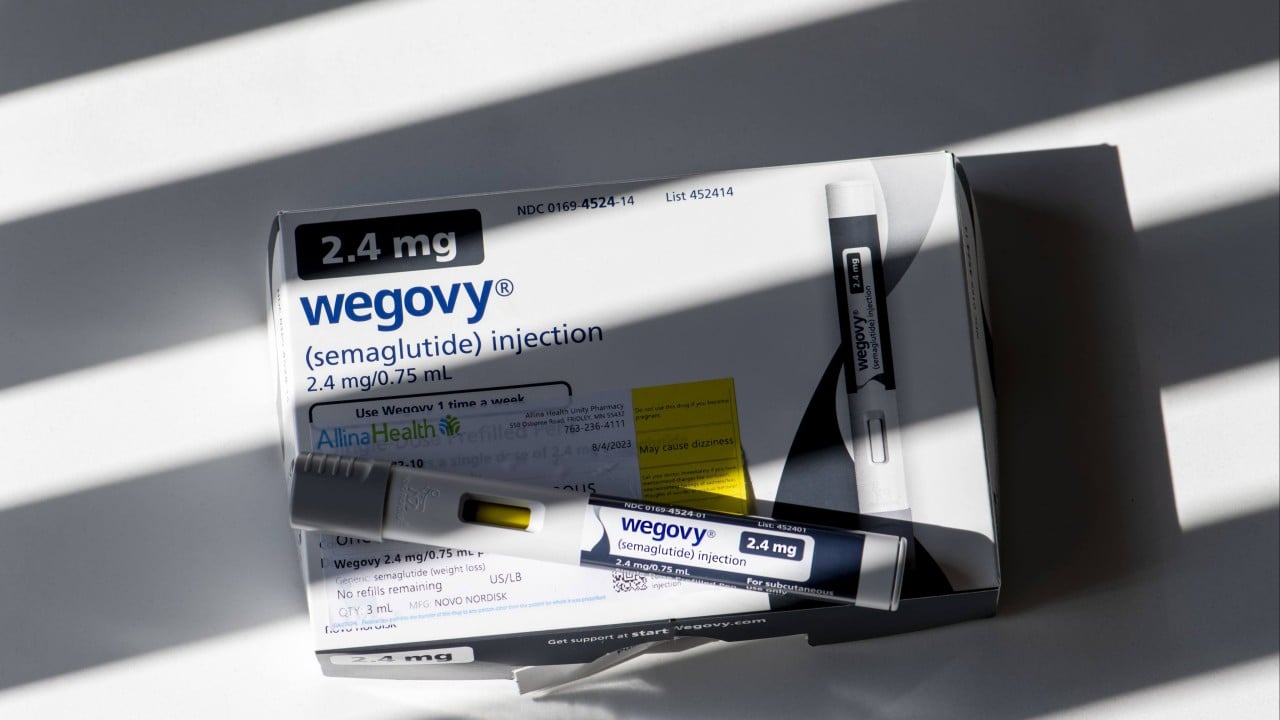
Behind these statistics lies a simple driver: appearance. While older demographics often seek out weight management treatments for metabolic health or pre-existing medical conditions, younger Koreans largely point to aesthetic goals and societal pressures. Popular medications like Wegovy and Mounjaro have transitioned from clinical prescription spaces into mainstream lifestyle commodities.
What Motivates the Younger Generation
If you ask a twenty-something in Seoul why they are willing to inject themselves with a prescription peptide, you won't hear clinical jargon about insulin resistance. You'll hear about mirror checks, job interviews, social media feeds, and the relentless quest for standard-compliant perfection.
South Korea's hyper-competitive job market and pervasive digital culture create intense psychological weight around body image. When celebrity endorsements and viral TikTok transformations normalize quick fixes, prescription pens suddenly look like a viable shortcut.
Even more telling is the future outlook. Among those who have already tried GLP-1 treatments, a staggering 65.5 percent expressed clear interest in continuing or repeating their use. One-third of all surveyed adults indicated they would jump on the bandwagon if circumstances allowed.
The Hidden Costs and Safety Backlash
Of course, rushing into potent metabolic drugs comes with a downside. The KB Financial survey highlighted a major undercurrent of anxiety: 57.3 percent of respondents expressed deep concern over potential misuse, fake medications circulating online, and severe side effects.
Regulators are scrambling to clamp down on illegal online sales, counterfeit pens, and predatory beauty scams targeting impressionable youths. These medications are powerful biological tools, not casual cosmetics. Nausea, muscle loss, and gastrointestinal distress are just the short-term risks when people source or use them without strict medical supervision.
Beyond physical side effects, the normalization of quick-acting chemical weight loss points to a broader societal burnout. The same survey notes declining sleep averages—dropping to 6.3 hours a night—alongside chronic fatigue affecting nearly half of the population. People are tired, stressed, and looking for any lever they can pull to regain control over their lives and bodies.
If you're watching this trend unfold from afar, don't write it off as an isolated Korean quirk. It's a preview of how young consumers everywhere will approach health when convenience meets chemical innovation.
Assess the risks carefully before chasing shortcuts. Real well-being rarely comes in a pre-filled pen.