Most cyber risk tools look at corporate laptops and cloud apps, then call it a day. That leaves power grids, water plants, and industrial control networks exposed to supplier flaws nobody sees coming.
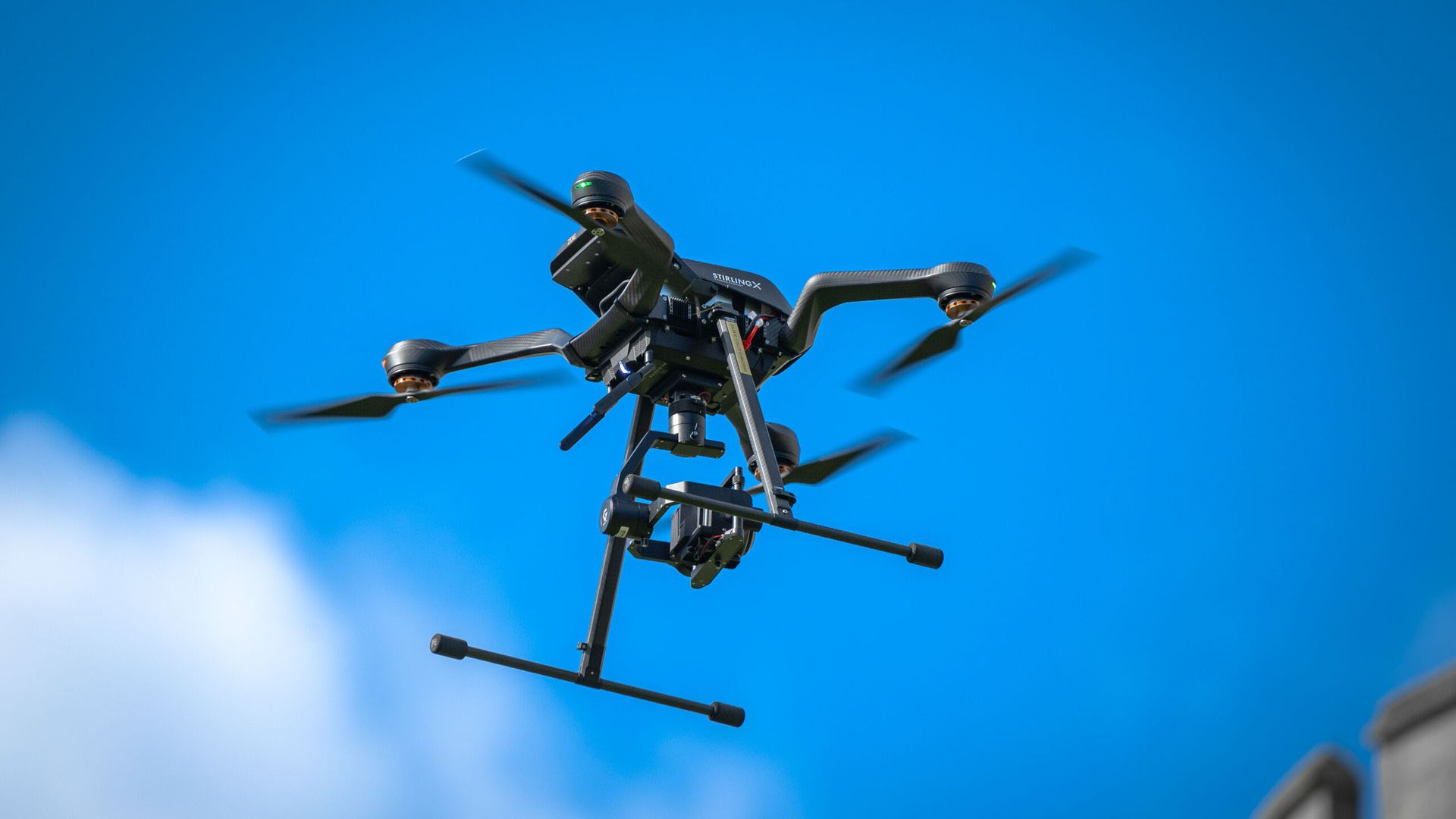
GALLOS Technologies, the UK defence and security venture builder backed by former GCHQ director Sir Jeremy Fleming, is unveiling its latest startup bet: EMRYS, a business focused on mapping risk across the supply chains of critical infrastructure operators. Seed funding comes from GALLOS itself, adding another operational technology and resilience play to a portfolio that already includes startups such as StirlingX and AI Score.
If you run security or operations for an energy firm, a transport network, or an industrial manufacturer, this move hits a nerve. When a third-party vendor gets hit or ships a flawed component in operational technology (OT), the fallout isn't just a locked spreadsheet. It can stall turbines, disrupt logistics, or knock physical systems offline.
Why GALLOS Is Betting On Critical Infrastructure Risk Now
Let's be honest about why this launch matters right now. Governments and operators have spent years talking about cyber resilience, yet visibility into deep supplier dependencies remains shockingly thin. GALLOS co-founder and managing partner Josh Burch has pointed directly to that blind spot, noting that many critical infrastructure operators still lack clear sight into the suppliers and dependencies behind their most vital operational systems.
You can see the strategic logic straight away. In August 2026, GALLOS announced a $50 million (around £35 million) funding round co-led by Ventura Capital and Aberdeen Investments, with participation from existing investor Lansdowne Partners, to build and scale security, defence, and resilience companies. Launching EMRYS shows how GALLOS puts that capital to work: spot a structural gap in national or industrial resilience, incubate a company around it, and pull in seasoned security leaders to test the thesis.
Martin Sloan, director of security at Drax Group, highlighted the shift that's pushing operators to rethink their perimeter. As he put it, operational resilience isn't just about protecting your own environment anymore; it's about understanding and managing risk across an interconnected OT supply chain.
Here's what usually trips teams up when they try to map that risk on their own:
- Standard third-party questionnaires stay skin-deep. A vendor might pass a generic IT security checklist while still relying on sub-suppliers, legacy firmware, or remote maintenance links tied to industrial kit.
- IT and OT teams often speak different languages. Corporate security teams track phishing and cloud permissions, while plant engineers focus on uptime, safety, and physical tolerances.
- Fourth- and fifth-tier dependencies stay hidden. A single component maker or software sub-contractor can sit quietly behind a trusted prime vendor until something breaks.
What Makes Operational Technology Supply Chains Different
Securing an office network and keeping a power station or factory running aren't the same job. In office IT, you can often isolate a machine, push a fast patch, or reboot a server during a maintenance window. In OT environments, availability and physical safety come first, and taking a system down can have immediate real-world consequences.
EMRYS claims it can surface risks that standard third-party checks miss, specifically targeting operational technology where a supplier compromise can halt physical operations rather than just business systems. Notice that word: claims. Every new risk intelligence platform has to prove its signal against real-world industrial complexity, where legacy equipment, proprietary protocols, and multi-layered sub-contractors make clean answers hard to get.
Still, the demand behind the bet is real. As industrial networks get more connected—through remote diagnostics, third-party maintenance portals, and digital supply chains—a weak link outside your gates can become a disruption inside your plant.
How GALLOS's Venture-Builder Model Fits In
Unlike a traditional venture fund that simply writes checks and waits for pitch decks, GALLOS operates as both a company builder and an investor. That model has its own trade-offs.
On the plus side, incubating companies in-house lets a team pair technical builders with former intelligence and security veterans from day one. With figures like Sir Jeremy Fleming advising and industry practitioners weighing in, startups can test whether they're solving an actual buyer headache or building a feature nobody wants to renew.
On the flip side, venture-studio spinouts still face the classic hurdles of enterprise and infrastructure sales. Procurement cycles in critical sectors are slow, trust is earned gradually, and proving that a tool catches invisible risks requires hard evidence, not clever marketing. Even with strong backing and high-profile advisors, execution decides whether a spinout becomes a category staple or just another acronym on an industry map.
What Operators Get Wrong About Supply Chain Risk
If you've ever sat through a vendor risk review, you probably know the routine. Teams collect PDFs, tally compliance scores, and file a neat report that makes everyone feel better on paper.
Honestly, paper compliance is one of the biggest traps in critical infrastructure. A supplier can look tidy on a spreadsheet and still introduce serious operational exposure through an unvetted sub-vendor, an exposed maintenance link, or a single point of failure in hardware or support.
Another common mistake is treating supply chain risk as a one-off audit instead of a living dependency map. Suppliers merge, outsource support, change sub-contractors, and update software constantly. A snapshot from last year tells you very little about what's happening in your OT supply chain this week.
There's also a healthy debate in the security world about how much external outside-in risk intelligence can tell you without deep internal context. Outside signals can flag exposure or suspicious connections, while internal engineering knowledge tells you which supplier actually touches a safety-critical control loop. Treat outside intelligence as an early-warning radar, not a substitute for knowing your own plant architecture.
Practical Next Steps For Infrastructure And Security Leaders
You don't need to wait for a vendor pitch to start tightening your view of OT supplier risk. If you're responsible for resilience, procurement, or security in an infrastructure-heavy business, take these concrete steps this quarter:
- List your top operational choke points first. Don't start by boiling the ocean across every vendor. Pick the industrial systems, control networks, and physical processes whose downtime would hurt operations, safety, or revenue most, then trace every supplier that touches them.
- Map sub-suppliers and remote access paths. Ask critical OT vendors who their key sub-contractors are, what software or components they embed, and how technicians connect into your environment for support or updates.
- Bridge IT security and OT engineering. Run joint tabletop exercises with plant or network engineers and cyber teams so everyone agrees on what a supplier incident actually looks like on the ground.
- Build a crisp set of questions for new risk tools. When evaluating platforms like EMRYS or competing risk intelligence providers, ask how they verify findings, how they handle deep-tier suppliers, and how quickly alerts translate into action for an incident commander.
The bottom line is simple: your perimeter doesn't end at your firewall or your tier-one contracts. Map the dependencies behind your critical systems now, before a supplier's bad day becomes yours.


