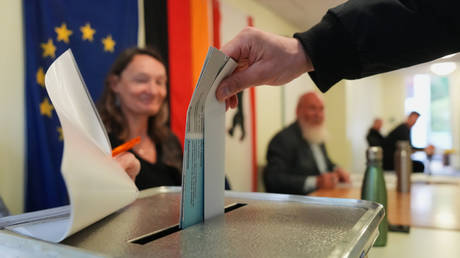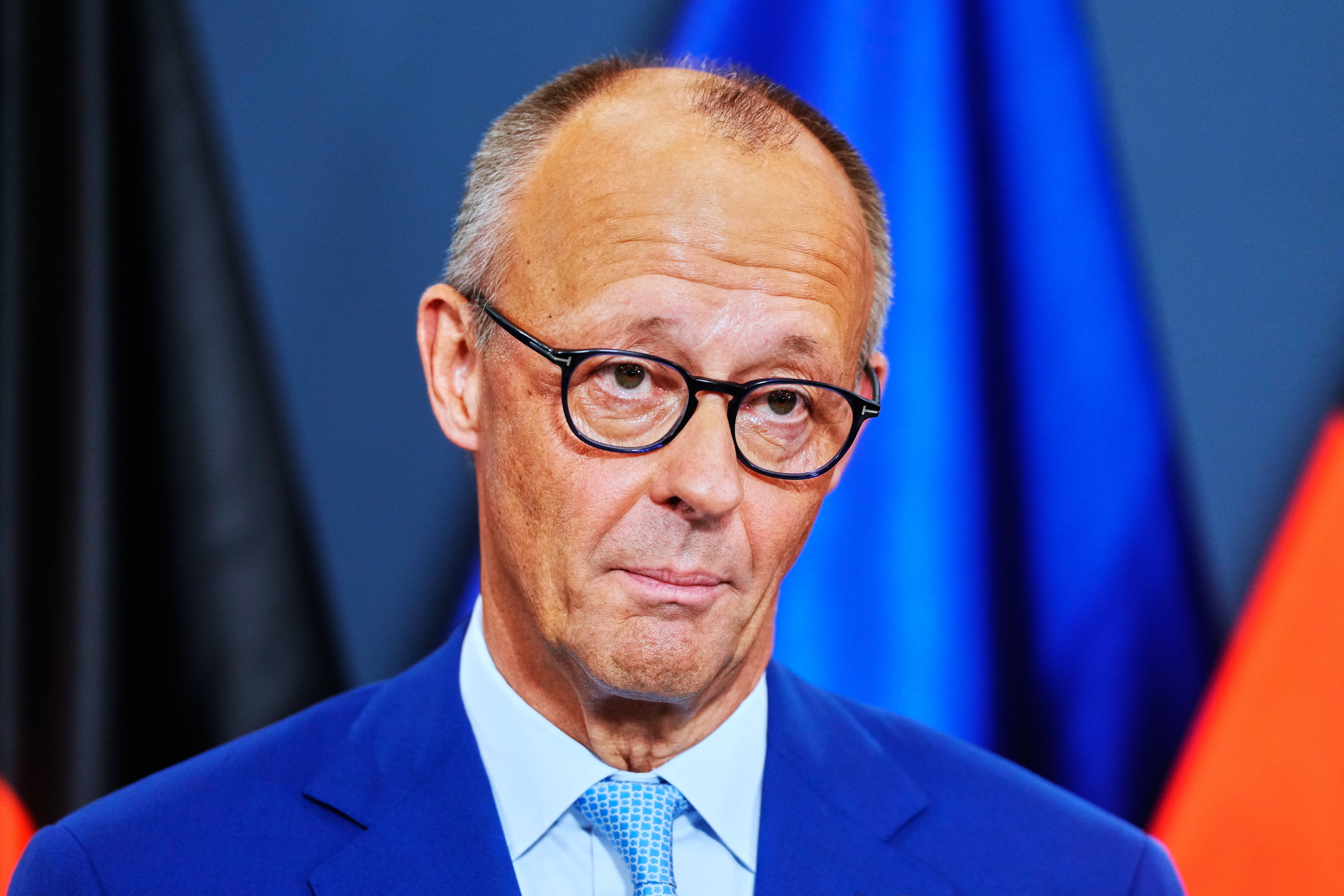
German Chancellor Friedrich Merz just suffered a catastrophic weekend at the ballot box, but he is refusing to change course. Exit polls from state elections in Mecklenburg-Western Pomerania and Berlin delivered brutal news for his center-right Christian Democratic Union, or CDU. In Mecklenburg-Western Pomerania, the CDU crashed to a dismal 5 percent, marking its worst performance in any state legislature since World War II and threatening to wipe the party out of the state parliament entirely. Meanwhile, Berlin voters placed the CDU second at roughly 20 percent, trailing behind the Left party.
Instead of backing down or offering concessions, Merz stepped up to the podium and doubled down on his platform. He labeled the results a disaster. Yet he insisted that Europe's largest economy needs strict economic overhauls now more than ever, despite the deep unpopularity of those measures among everyday citizens.
The Anatomy of a Political Crisis
This latest rout follows hot on the heels of another political earthquake on September 6, when the anti-migration Alternative for Germany, or AfD, crushed the CDU in the eastern state of Saxony-Anhalt. That earlier defeat shook Germany's political establishment to its core, leaving many voters and insiders questioning whether the mainstream parties have lost touch with public sentiment.
Merz took office 16 months ago as a former corporate executive who promised to deliver a major economic turnaround. He pledged to slash stifling bureaucracy, fix the creaking pension system, and jumpstart growth in a nation that has basically stagnated for years. But voters are feeling the pinch of high living costs and stubborn economic sluggishness.
When exit polls confirmed Sunday's losses, AfD leaders were quick to attack. Tino Chrupalla, the co-leader of the AfD, told television broadcasters that the chancellor's speech was feeble and called on him to resign immediately rather than pushing forward with an unpopular agenda.
Facing Pressure From All Sides
Merz is caught in a vice. On one side, the radical right continues to pick up momentum by capitalizing on anti-establishment anger and economic anxiety. On the other side, critics within the coalition and even inside his own party have muttered about leadership changes.
Even so, top allies have warned against internal personnel battles right now. To signal that he is hunkering down for a brutal political fight, Merz abruptly canceled a planned trip to New York for the United Nations General Assembly.
He maintains that pushing structural reforms through parliament is the only real weapon against rising extremism. He described the government's economic agenda as an antidote to authoritarianism.
Whether voters and rebellious lawmakers will accept that explanation remains entirely unclear. For now, Merz is betting his entire political future on the idea that stubborn resilience will trump short-term electoral pain.
Merz Under Pressure, Germany Chancellor Defends Reforms After Huge AfD Win In Elections
This video provides additional context regarding the immense political pressure facing the German chancellor following these recent electoral developments.