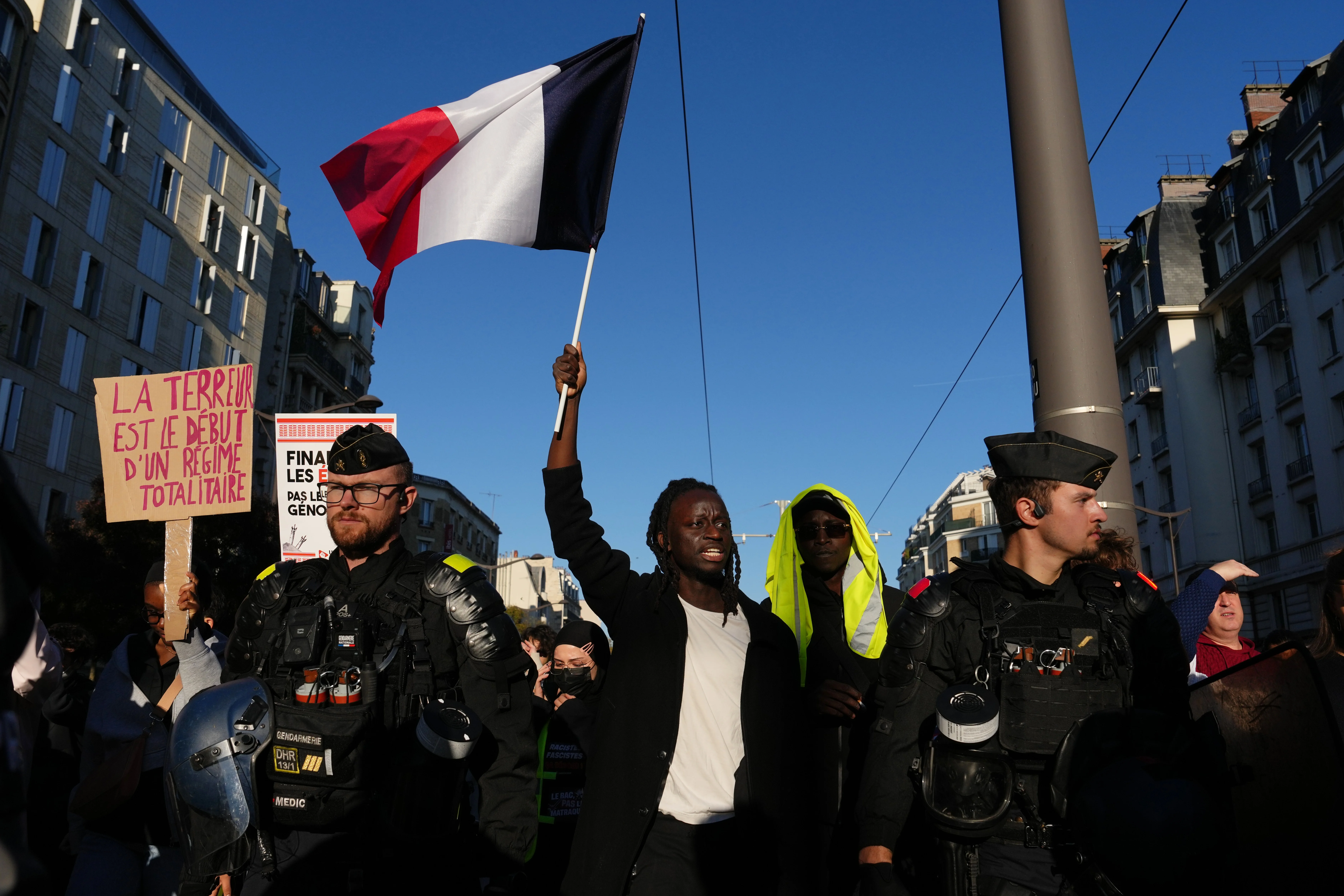
If you walk down the streets of Paris right now, you won't just see the usual bustle of tourists and cafe-goers. You will smell tear gas, dodge shattered glass, and hear the chants of an entire generation that feels completely abandoned. What started months ago as high school student grievances over broken-down school buildings, overcrowded classrooms, and teacher shortages has mutated into something much larger. It's a full-scale social rebellion.
Hundreds of thousands of mostly young demonstrators have taken over French streets for consecutive weekends, clashing with heavy police deployments and bringing cities like Marseille, Lyon, and Paris to a standstill. And France is stubbornly refusing to suffer alone. This wave of youth-led fury is bleeding across borders, sparking similar marches, school blockades, and riots in Belgium, Germany, Italy, Austria, and beyond. For a different view, read: this related article.
If you are wondering why teenagers and twenty-somethings are willing to face water cannons and tear gas, look past the burning trash cans and listen to what they are actually saying. The system is broken, and they know they will pay the price for it.
The Breaking Point Behind the French Unrest
To understand why young people are seething, you have to look at the daily reality of public life in France. Students began mobilizing over decaying school infrastructure and a notoriously flawed university admissions platform known as Parcoursup. Classrooms are packed. Teachers are chronically underpaid and in short supply. Further insight on this trend has been shared by The New York Times.
But youth anger didn't stay inside the school gates. The cost-of-living crisis hit young workers and students harder than almost any other demographic. Rent in major European cities is completely disconnected from entry-level wages. Grocery prices keep climbing. When you combine a bleak financial future with crumbling public institutions, you get a powder keg.
Labor unions, firefighters, and hospital workers quickly joined the student-led marches, turning a localized education protest into a generalized rejection of economic inequality. Protesters argue that wealth disparity is widening while politicians sit comfortably in air-conditioned offices, ignoring the realities of everyday citizens.
How the Protests Turned Violent
Peaceful marches often share pavement with chaos. By late afternoon, radical splinter groups and aggressive agitators routinely target police with fireworks, iron bars, and glass bottles. State authorities have responded with overwhelming force, deploying thousands of riot police equipped with water cannons, stun grenades, and tear gas.
The crackdown has only escalated the tension. Videos circulating on social media show severe clashes, injured protesters, and heavy-handed police tactics. In Marseille and Lille, young crowds even breached town halls, throwing historic symbols of the republic to the ground.
The government's reaction has been swift and heavy-handed. Officials implemented strict curfews for unaccompanied minors around major commercial zones like the Champs-Élysées and restricted protest routes to the outskirts of Paris to protect luxury shops. While a local court suspended one of these curfews as an illegal infringement on freedom of movement, the atmosphere of suspicion remains palpable. President Emmanuel Macron faces intense hostility from all sides, with critics pointing out that a decade of his leadership has left the country deeply fractured.
A Continental Phenomenon
France is the epicenter, but the shockwaves are traveling fast. Social media platforms like TikTok have helped organize sympathetic student rallies from Brussels to Lisbon. In Belgium, similar frustrations over deteriorating school conditions and expensive study materials led to fierce street clashes and property damage. In Italy and Austria, student unions have mobilized thousands to protest higher education budget cuts and skyrocketing tuition costs.
Politicians love to blame the unrest entirely on outside agitators or radical fringe groups. That narrative misses the mark. This is a generational cry for help. When young people across multiple democratic nations conclude that peaceful petitions achieve nothing, they take to the streets.
Governments can deploy all the riot police they want, but tear gas won't fix an unlivable housing market or a collapsing educational foundation. Until European leaders address the root causes of economic stagnation and institutional decay, the streets will keep burning.