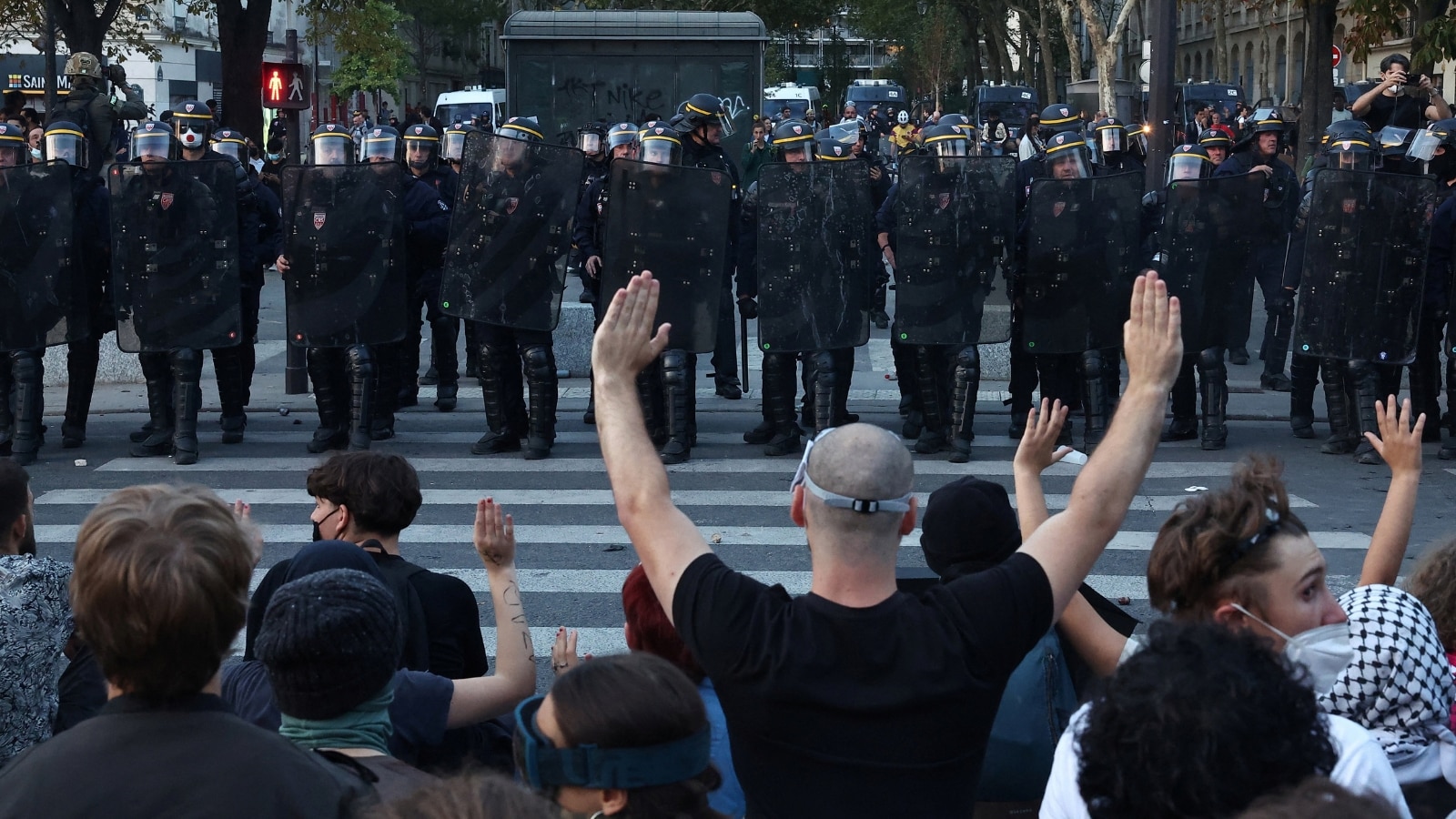
Tear gas fills the air outside Parisian high schools. Thousands of teenagers march down concrete boulevards carrying hand-painted placards, shouting slogans about crumbling classrooms and missing teachers. It looks like standard political theater, but it's much bigger than that. Over 266,000 protesters flooded French streets on a single Tuesday, turning what started as quiet class boycotts into a massive nationwide crisis for the government of Emmanuel Macron and Prime Minister Sébastien Lecornu.
If you’re wondering why teenagers are risking arrest and clashing with riot police, the answer isn’t complicated. Public education in France is breaking down at the seams. Classrooms are packed tight, teacher shortages leave whole subjects untaught for weeks, and high schools in working-class suburbs lack basic infrastructure. When the government floated budget cuts that threatened to squeeze funding even further, teenagers didn't stay home. They took over.
The Breaking Point Behind the French School Protests
Public schooling has long been viewed in France as the great equalizer of the Republic. But spend a day inside an underfunded high school in the Seine-Saint-Denis department or provincial towns, and you'll see why students are furious. Two-thirds of schools in certain districts deal with chronically unfilled teacher positions. Students sit in study halls for hours because there’s nobody to teach math or history.
Average spending per secondary school student hasn't budged in real terms over the last decade, hovering stubbornly around €11,660. Meanwhile, inflation eats away at already strained building maintenance budgets. Ceilings leak, heating fails during winter, and equipment is outdated.
Students didn't just wake up angry one morning. They spent weeks organizing blockades, staging peaceful sit-ins, and trying to get administrative attention through normal channels. When those efforts hit a brick wall, blockades escalated. Nearly 900 schools have faced significant disruptions or temporary closures since late September.
A Massive Crackdown and Rising Arrests
The state's response has been heavy-handed, sparking an entirely separate crisis over policing tactics. Interior Ministry numbers show that over 6,500 people have been arrested since September 28, the vast majority of them minors.
Tuesday's nationwide mobilization brought out 266,000 demonstrators, including 56,000 in Paris alone. While the vast majority of marchers stayed peaceful, small groups clashed with riot squads at city squares. Police responded with batons, water cannons, and heavy volleys of tear gas. Footage of teenagers pinned to the pavement in handcuffs has flooded social media, outraging parents and teachers who view the police reaction as totally disproportionate.
Interior Minister Laurent Nuñez insists the police response has been "proportionate in almost all cases," claiming that protests routinely morphed into riots that required state intervention. On the other side, human rights groups and trade unions accuse the government of using intimidation to suppress legitimate youth activism. Prime Minister Sébastien Lecornu condemned property destruction—noting that 24 schools have been ransacked or burned and 715 police officers injured—while acknowledging that authorities must listen to student grievances. To cool tensions, the government ordered high schools across the country to close for a half-day between Wednesday and Friday to allow internal student debates.
What Happens Next for the Macron Administration
This movement presents a massive political headache for the outgoing Macron administration. The protests have transformed into a referendum on public spending, economic equality, and the government's priorities heading toward the 2027 political cycle.
Hard-left politicians like Jean-Luc Melenchon have leaned into the movement, accusing the state of abandoning working-class youth. Meanwhile, centrist leaders are scrambling to find emergency funds to patch over glaring holes in staffing and infrastructure before the unrest spirals completely out of control.
Teenagers in France have a long, historical tradition of forcing governments to back down through street mobilization. From the massive pension battles to historic student revolts of decades past, French youth know that writing letters doesn't change policy—pressure does.
If the government wants to clear the streets, empty promises won't cut it. They need to fix the classrooms, hire the teachers, and prove they value public education before the next wave of blockades begins.