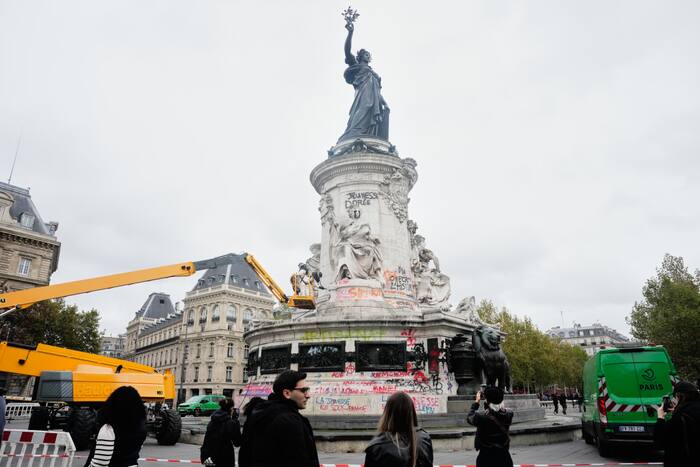
Tear gas, shattered storefronts, and burning cars returned to the streets of Paris this week. French authorities didn't waste time reacting. Following a weekend of intense rioting and looting that caught security forces off guard, regional officials slammed the brakes on demonstrations. They banned student-led protests across major cities including Paris, Lyon, Lille, and Grenoble.
If you've followed French politics for more than five minutes, you know this script. High school grievances spark local unrest. The unrest balloons into national anger over living costs. Then, the state steps in with heavy bans. But this time feels different. The stakes are much higher. Don't miss our earlier post on this related article.
How Student Strikes Morphed Into National Anger
It started small. Last month, students at a single high school in Créteil walked out over staffing shortages and dilapidated facilities. That localized anger spread like wildfire through Paris suburbs and into provincial towns.
Teenagers weren't just complaining about bad heaters or missing teachers anymore. They targeted the university admissions system, calling it opaque and unfair. Soon, adult labor unions smelled blood in the water. They latched onto the momentum, transforming school blockades into broader protests over soaring inflation and the skyrocketing cost of living. To read more about the background here, Wikipedia offers an informative summary.
When weekend marches collided with groups of masked rioters, the situation went sideways. Luxury shops were looted. Vehicles burned. Prime Minister Sébastien Lecornu faced immediate questions about security failures. President Emmanuel Macron called emergency intelligence meetings to figure out how state surveillance missed the escalation.
The Free Speech Versus Public Safety Clash
Banning protests is always a combustible choice in France. The right to demonstrate is practically a secular religion there. Critics argue that shutting down rallies in downtown zones—like the areas surrounding the Elysée presidential palace and major railway stations—strikes at constitutional liberties.
Officials defend the bans as an emergency measure. They point to the sheer volume of destruction from the weekend. Masked agitators hijacked peaceful crowds, turning commercial districts into war zones. Police say keeping crowds away from critical infrastructure is the only way to prevent another wave of looting.
Student groups refuse to back down. Even with the autumn school break underway, youth organizers vow to keep mobilizing. They argue that silencing dissent won't fix underfunded classrooms or economic anxiety.
What Comes Next for Macron and the Streets
The calendar does not favor the government. These riots and subsequent bans arrive just months before the presidential election to choose Macron's successor. Every economic grievance now carries electoral dynamite.
Authorities are bracing for a massive test. Activists from the historic "yellow vest" movement plan to join upcoming demonstrations. Unions are already looking past the immediate bans, scheduling a massive national day of action for November 5.
Prime Minister Lecornu promised a heavy security footprint to prevent further chaos. Yet, history suggests that heavy-handed bans often do little to cool hot tempers in the French capital.
Keep your eyes on the transport networks and downtown plazas this weekend. The government can ban a permit on paper, but stopping thousands of frustrated citizens on the asphalt is an entirely different challenge.