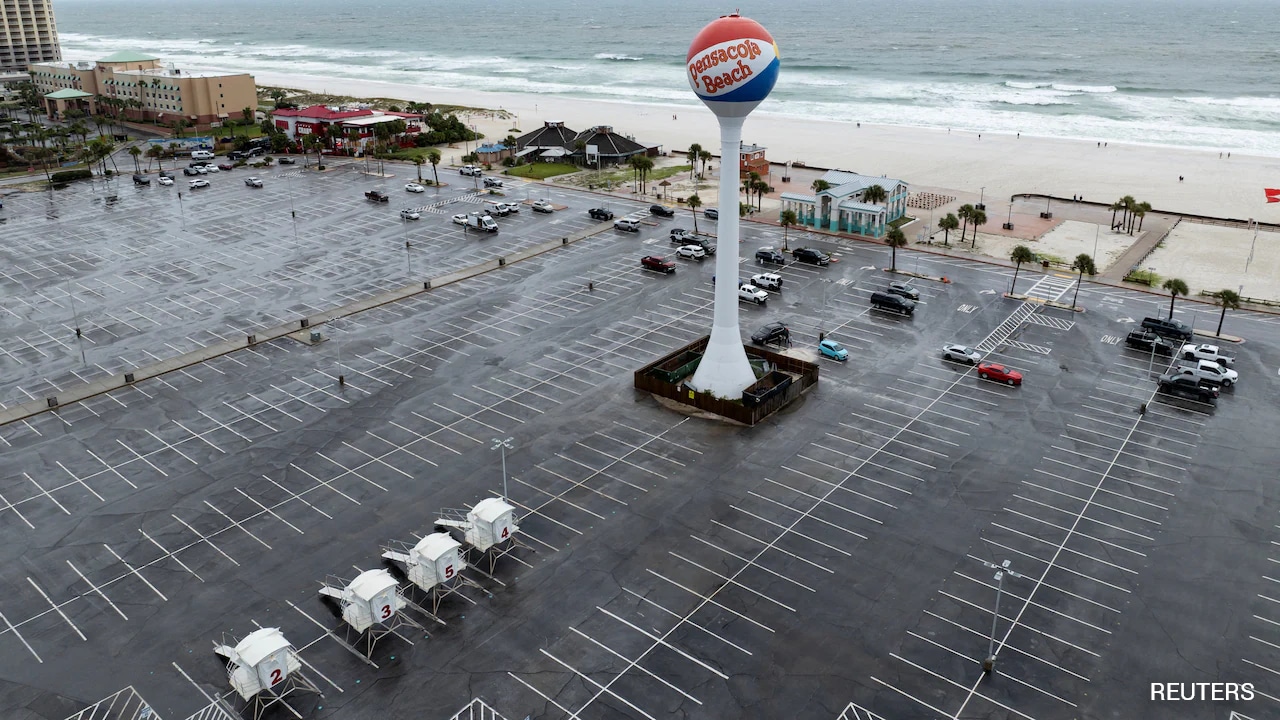
Darkness fell early across the Florida Panhandle and southern Alabama as Hurricane Isaias smashed ashore near Destin with sustained winds reaching 105 mph. More than 400,000 customers lost electricity within hours, testing the limits of local infrastructure and sending emergency crews scrambling before the worst of the storm arrived.
If you've lived through Gulf Coast weather events before, you know the drill. You stock up on water, secure loose lawn furniture, and wait for the grid to collapse. But Isaias packed a specific punch that caught some coastal communities off guard.
The Reality of a Category 2 Strike
Isaias arrived as a powerful Category 2 storm right before weekend plans kicked off. The National Hurricane Center tracked maximum winds at 169 kph as the center of circulation crossed the coastline. Forecasters warned that a catastrophic storm surge measuring between 6 to 9 feet threatened low-lying beach communities from Pensacola Beach to the Gulf Islands National Seashore.
Governor Ron DeSantis urged residents to stay off roads and hunker down immediately as flash flood warnings spread across the region. When authorities tell you to stay put, they aren't exaggerating. Water rises fast, debris flies faster, and rescue services cannot operate safely while hurricane-force winds buffet power lines and tear roofs off coastal properties.
In Mobile, Alabama, officials logged numerous downed trees and blocked roadways. The Emerald Coast Utilities Authority slapped a mandatory boil-water notice on customers to protect public health against contaminated municipal lines.
When the Waffle House Index Shuts Down
Southern communities measure severe weather severity through a unique metric. When your local Waffle House closes its doors, you know things have gone sideways. During Isaias, dozens of locations across the Florida Panhandle locked up and turned off the grills.
Locals noticed right away. When a 24-hour diner famous for staying open through almost everything goes dark, residents understand the gravity of the threat. It shifts the psychological weight of the storm from a routine weather event to a serious emergency.
State Response and Infrastructure Strain
Florida deployed roughly 5,000 National Guard soldiers and airmen to handle search, rescue, and logistics support. Prisons evacuated high-risk inmates, and airports across the Panhandle grounded all commercial traffic, including every flight in and out of Destin-Fort Walton Beach Airport.
Gasoline shortages and bridge closures compounded the crisis. Even though Isaias avoided the primary offshore oil production platforms in the central Gulf, energy analysts watched closely to see if prolonged refinery power outages would push fuel prices higher across the Southeast.
Forecasters expect Isaias to downgrade to a tropical storm as it tracks further inland over the weekend. Heavy rainfall totals ranging from 4 to 8 inches threaten communities from southern Alabama straight through southwestern Georgia, extending the flood risk long after the high winds subside. Stay alert, check on your neighbors, and avoid standing water.