Two-bedroom apartments in Kelowna rent for around $2,000 to $2,500 a month, and in British Columbia that kind of space barely leaves room for one child in care. That single math problem explains why a foster care village proposed by the Hall Family Foundation matters so much right now. When housing eats up half a paycheck and extra bedrooms feel like a luxury, ordinary families who want to step up simply hit a wall.
Marcy Perron, president of the B.C. Federation of Foster Parents, pointed out that the province has dropped to roughly 2,000 foster homes, down from close to 5,000 when she started her career. Think about that drop for a second. We're talking about losing more than half the pool of available homes while kids in care still need safe beds, steady routines, and adults who aren't running on empty.
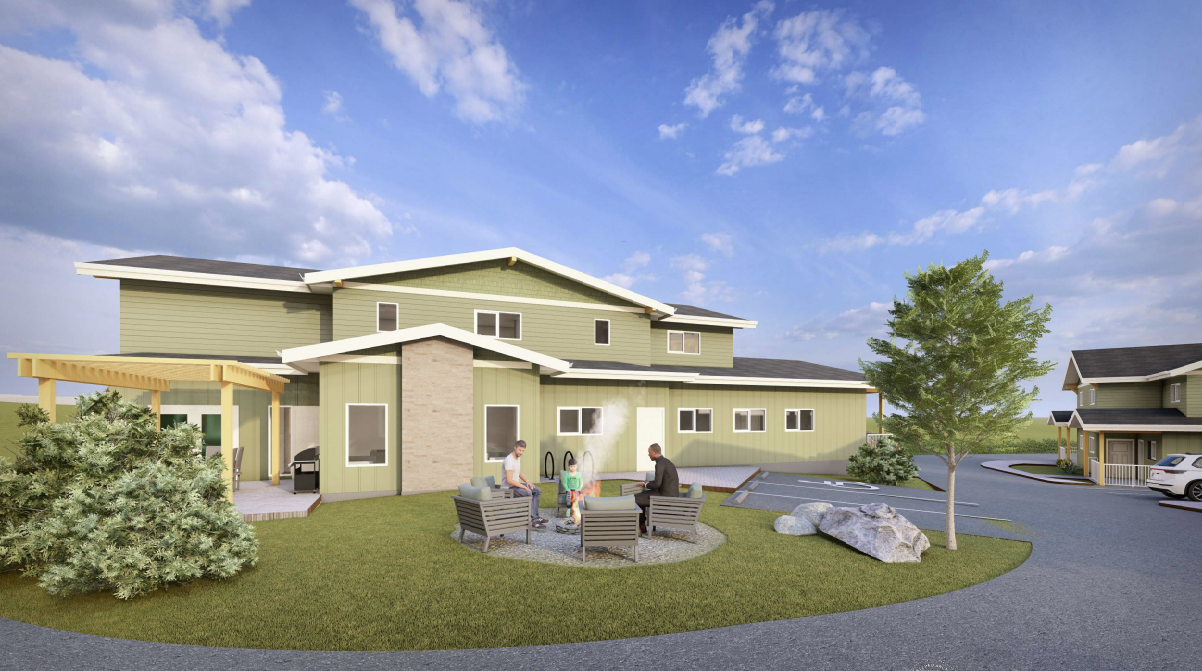
So here's the big picture up front. The Hall Family Foundation is proposing a $15-million foster care village in Kelowna's Glenmore area on privately owned land, with plans for 10 five-bedroom homes and a roughly 5,000-square-foot support hub designed to house up to 40 foster children alongside foster parents and support staff. No taxpayer money is expected to go toward building it, the foundation hopes construction can start in 2027 with families moving in by 2028, and the land still needs to be secured alongside rezoning and municipal approvals.
What Makes This Foster Care Village Different From Standard Care
Most people picture a foster home as a single house tucked onto a regular street, where a couple or a single parent tries to juggle school runs, therapy appointments, social worker visits, and everyday groceries all on their own. Honestly, that setup works well when everything goes smoothly, yet it can feel isolating when a child is hurting or when a parent gets sick. Putting 10 large homes next to an on-site support hub changes the daily rhythm completely.
Ed Hall, a board member of the Hall Family Foundation, explained that the goal goes well beyond adding beds. Frequent moves between homes disrupt friendships, school continuity, and any sense of belonging a young person starts to build. In Hall's words, the ideal is for a young person to move into the village, stay put through their juvenile years, and grow real roots and friendships right where they live.
Five-bedroom houses also solve a practical headache that comes up constantly in child welfare. Brothers and sisters often get split up when one home has only one spare room or isn't equipped to handle a sibling group. Bigger homes give caregivers space to keep siblings together under one roof, while a shared hub with counselling and family resources puts help steps away instead of across town.
Hall noted that while similar models exist in California, dedicated communities like this are rare in Canada. That doesn't mean a neighborhood design is a magic cure-all, though. Critics and child-welfare researchers often debate whether concentrating youth in dedicated developments helps or risks setting kids apart from everyday neighborhoods, so how the site integrates with surrounding Glenmore streets will matter a lot.
Why Foster Care Numbers Are Shrinking Across B.C.
You can't fix a shortage if you treat it like a simple recruiting slogan. Perron highlighted a classic catch-22 driving the decline. Many long-time caregivers are getting older and nearing retirement, which means the system urgently needs younger adults to step into the gap.
Yet younger households face brutal housing costs, tight square footage, and steep living expenses. Even if someone has the patience, warmth, and time to become a caregiver, renting or buying a home with enough bedrooms for multiple kids—or a sibling set—is out of reach for a lot of working families.
Perron also spoke candidly about what kids in care carry with them. Many have dealt with neglect and trauma, and some haven't really experienced what normal family life looks like. Stepping into that reality takes real emotional stamina, practical skills, and backup—not just good intentions on a Saturday afternoon.
From my perspective working around community programs and local housing realities, good intentions burn out fast when caregivers have zero breathing room. You can recruit all the new applicants you want, and you'll still lose people if they feel alone at 2 a.m. during a crisis or stretched thin financially just trying to keep a big enough roof overhead.
Big Questions Before Any Shovels Hit the Dirt
A rendering on paper is one thing, and getting a $15-million project across the finish line in a growing city is another. Hall mentioned that the foundation kept spending low on early renderings so more money can go straight into building actual houses. That's a smart instinct when every dollar counts toward bricks and mortar.
Still, real hurdles sit between today's plans and move-in day in 2028. The property hasn't been secured yet, and rezoning plus municipal approvals take time, neighborhood consultation, and patience. Even with private funding planned for construction, operating a 5,000-square-foot support hub and maintaining 10 large homes over decades requires ongoing coordination and steady staffing.
There's also a realistic caveat worth keeping in mind. Ten homes holding up to 40 children is a meaningful step forward for Kelowna, yet it won't single-handedly erase a province-wide drop from around 5,000 homes to roughly 2,000. Think of it as a high-impact pilot and local anchor rather than a complete fix for every region in B.C.
Practical Next Steps for Locals and Supporters
If you want to do something concrete rather than just shake your head at headlines, start small and practical. Here's how you can take action right now:
- Learn the actual requirements in your area. Reach out to local resources or the B.C. Federation of Foster Parents to see how home square footage, background checks, training, and respite options work in practice before assuming your home or schedule won't fit.
- Support caregivers even if you can't foster. Offer practical help to families you know—meals, yard work, gift cards for groceries, or reliable backup—because day-to-day support keeps experienced caregivers from burning out.
- Follow local planning and community conversations. If you live in Kelowna or care about housing and youth supports, track Glenmore development and zoning updates constructively so community discussions stay grounded in real needs for kids and families.
- Back reputable local nonprofits and foundations. Look into groups funding youth counselling, family support services, or housing initiatives, and verify how donations are used before giving.
Housing costs aren't dropping overnight, and kids aren't getting any younger while policies get debated. Projects like a Kelowna foster care village force a necessary conversation about space, stability, and real support—and turning that conversation into action starts with what we do next.