The Department of Justice just escalated a partisan lightning rod into a courtroom battle. Two former high-ranking FBI intelligence officials surrendered to federal authorities, facing criminal charges for allegedly lying to Congress about their oversight of the Hunter Biden laptop investigation leading up to the 2020 presidential election.
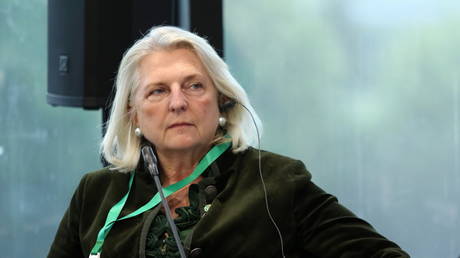
Nikki Floris and Bradley Benavides, who previously spearheaded a now-disbanded task force meant to counter foreign election interference, found themselves standing in a Washington courtroom facing accusations that they misled lawmakers regarding their granular knowledge of the laptop and its handling. Their defense teams didn't mince words. They slammed the indictments as a transparently political abuse of power, calling the timing right before midterm elections a dead giveaway.
If you're wondering how a congressional testimony dispute turned into felony criminal counts, you're looking at the collision between intelligence oversight and bare-knuckle political warfare.
What the Charges Actually Claim
The Justice Department's criminal complaint argues that Floris and Benavides misled lawmakers during congressional inquiries by downplaying their actual familiarity with the Hunter Biden laptop story back in 2020.
According to federal prosecutors, documentary evidence and internal communications tell a very different story than what the former officials told Capitol Hill. For instance, investigators claim Benavides asserted he only learned about the laptop via a Wikipedia article in 2023. Yet, internal logs allegedly show him actively discussing the device and its contents with other bureau personnel well before the 2020 vote. Meanwhile, prosecutors point to Floris's internal discussions spanning over a year to dismantle her statements to Congress.
U.S. Attorney for the District of Columbia Jeanine Pirro maintained that lying to lawmakers strikes directly at the heart of democratic oversight. But the legal mechanism chosen by the DOJ raised immediate eyebrows.
Why the Legal Approach Stunned the Courtroom
Prosecutors chose to file the case via a criminal complaint rather than seeking an immediate grand jury indictment. That choice set off alarms during the defendants' initial appearance in federal court.
Criminal complaints are typically reserved for urgent situations where suspects represent an acute flight risk or a direct physical danger to the community. U.S. Magistrate Judge Zia Faruqui noted openly that bringing charges of this vintage in this specific manner is exceptionally rare. Over initial objections from prosecutors seeking more preparation time, the judge pushed for a swift preliminary hearing, pointing to the intense pressure hanging over the defendants.
Defense attorneys hammered the DOJ's unusual tactic. Lawyers for Benavides characterized the prosecution as a disgraceful, baseless complaint driven by political actors rather than objective investigative standards. Attorneys for Floris echoed that sentiment, emphasizing her nearly two decades of dedicated service as an intelligence officer before getting caught in the crosshairs of political cross-currents.
The Broader Political Context of the 2020 Laptop Saga
You can't separate these new criminal counts from the chaotic timeline of October 2020. Weeks before voters chose between Donald Trump and Joe Biden, the New York Post published explosive details about a hard drive dropped off at a Delaware repair shop.
The story immediately sparked a massive information war. Dozens of former intelligence officials signed an open letter warning that the leak bore the classic hallmarks of a foreign disinformation operation. Conversely, top intelligence leaders under the Trump administration vouched for its authenticity.
When Republicans took control of congressional committees, they made the bureau's handling of that laptop a central grievance. Critics argued the agency slow-rolled scrutiny or actively misled the public about the authenticity of the device's contents. The specialized task force that Floris and Benavides led became a primary target for these inquiries, ultimately getting disbanded by then-Attorney General Pam Bondi in early 2025.
What Happens Next in the Courtroom
The legal battle is moving at a breakneck speed because the defense pushed for an immediate reckoning. While prosecutors wanted weeks to build their formal case, the judge's insistence on a rapid timeline means these allegations will face courtroom scrutiny immediately.
Legal experts point out that securing convictions for false statements before Congress often hinges on proving materiality and intent—proving not just that a statement was technically inaccurate, but that the official deliberately sought to deceive lawmakers on a matter of core legislative significance.
With preliminary hearings underway and both sides deeply entrenched, this case promises to test the boundaries of accountability for federal law enforcement officials caught in the turbulent wake of high-stakes political investigations.