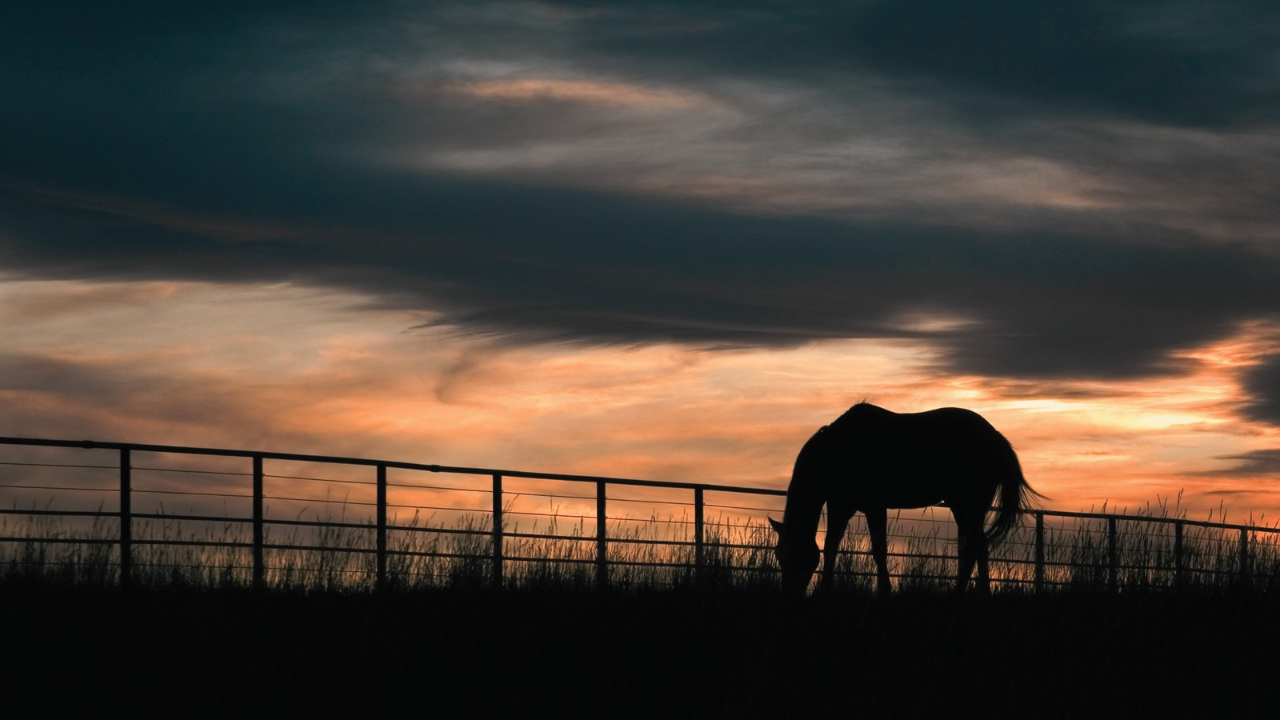
Development pressure in Florida moves fast. You blink, and another tract of pine flatwoods gets paved over for strip malls or housing subdivisions. But sometimes, preservation wins a round. State officials recently approved a massive conservation easement keeping thousands of acres of private land intact while letting cattle graze just like they have for decades.
The state's Governor and Cabinet officially greenlit a 12.9 million dollar agreement through the Rural and Family Lands Protection Program. This deal permanently locks down 5,610 acres of Hendrie Ranch in Highlands County. Instead of turning the property into a public park or locking the gates, the arrangement keeps the land in private hands. The Hendrie family continues their cattle, hay, and timber operations, but they give up the right to ever subdivide or develop the property.
Inside the Hendrie Ranch Agreement
Geography matters here. Hendrie Ranch sits along U.S. Highway 27 near Venus, right on the eastern slope of the southern Lake Wales Ridge. That location makes it a critical piece of the Florida Wildlife Corridor. Without private ranches acting as buffers, animal populations get boxed in and isolated.
State records show that roughly 48 percent of the 5,610-acre easement area consists of vital wetlands. The rest contains native pasture, pine flatwoods, scrub, and wetland forests. It is an active beef operation supporting about 600 cattle, yet it doubles as a haven for wildlife like the Florida scrub-jay, sandhill crane, Sherman's fox squirrel, and the endangered Florida panther.
The math behind the state investment breaks down to roughly 2,300 dollars per acre. For taxpayers, buying development rights outright is far cheaper than buying land in fee simple and paying to manage it as a public preserve. For the family, it injects capital into the business without forcing a liquidation of land to pay estate taxes or fight off developers.
Why Working Conservation Works Better Than Parks
Traditional environmentalism often demands locking gates and kicking humans off the land. That approach falls apart in places like Florida, where conservation budgets are tight and private landowners control millions of acres of crucial habitat.
If ranching becomes financially impossible, families sell to developers. Once asphalt goes down, the ecological connectivity vanishes forever. Conservation easements change the equation. They pay landowners for the development value of their property, keeping the economic engine of agriculture running while legally barring concrete and bulldozers.
Hendrie Ranch is no stranger to this strategy. Back in 2022, a separate 663-acre portion of the property received protection through a similar conservation agreement. Layering these easements over time builds a continuous block of protected acreage without upending local economies or cutting off beef and timber production.
The Broader Fight for the Florida Wildlife Corridor
Protecting single ranches is tactical. Saving the entire Florida Wildlife Corridor is strategic. Lawmakers and conservation groups have pushed hard to secure millions of acres running from the Everglades up through the Panhandle.
Development doesn't care about wildlife corridors. It creeps inward from every municipal boundary. Programs like the Rural and Family Lands Protection Program act as a shield, but they move slowly and depend heavily on political backing and funding allocations from Tallahassee. When a deal worth nearly 13 million dollars clears the cabinet, it signals that state leaders still view working agricultural lands as an environmental asset rather than just an obstacle to suburban sprawl.
If you own land in path-of-growth areas, the temptation to cash out to a developer is massive. Property taxes rise, generational handoffs get messy, and beef markets fluctuate. Easements offer a pragmatic exit ramp from that pressure. Cattle keep walking the pastures, timber gets harvested on rotation, and panthers keep a safe path to roam across county lines.
The bulldozers can wait. On Hendrie Ranch, they aren't getting in at all.